
A well-composed Fresh Cucumber Tomato and Mozzarella Salad is more than just a side dish—it’s an expression of seasonal abundance, culinary balance, and effortless elegance. This salad captures the essence of Mediterranean summers: crisp cucumbers, ripe tomatoes, creamy mozzarella, and fragrant herbs brought together with a bright vinaigrette. Revered in homes from Naples to Napa Valley, it's a go-to for picnics, dinner parties, or a quick lunch. Beyond its simplicity lies a framework that rewards attention to ingredient quality, texture contrast, and seasoning precision. When executed thoughtfully, this salad delivers a harmony of acidity, fat, freshness, and salt that elevates any meal.
Definition & Overview
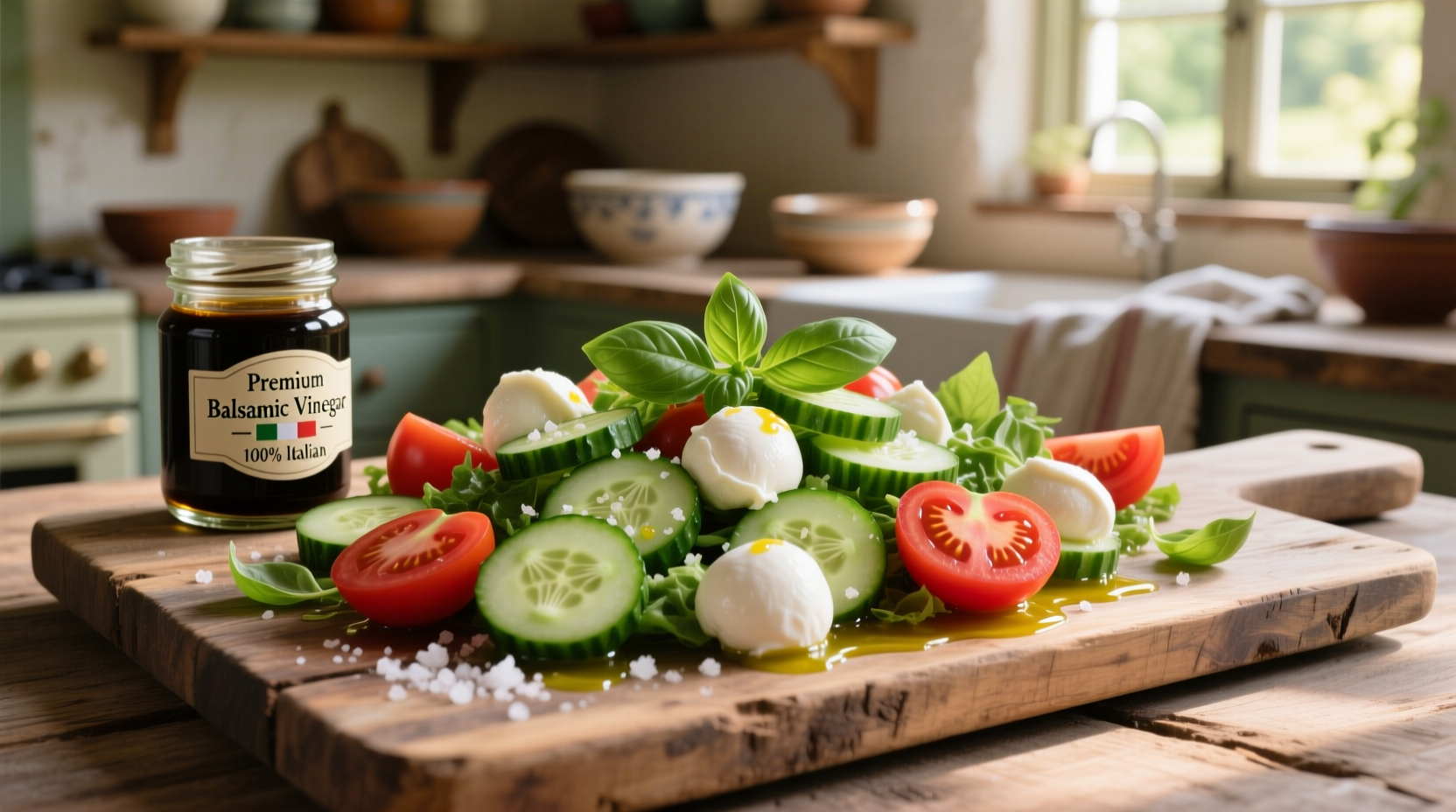
The Fresh Cucumber Tomato and Mozzarella Salad is a variation on the classic Italian insalata caprese, which traditionally features only tomatoes, fresh mozzarella, and basil. By introducing cucumber, the dish gains additional crunch, hydration, and subtle coolness—making it especially refreshing during warm months. It belongs to the category of composed salads, where ingredients are arranged rather than tossed, emphasizing visual appeal and individual textures.
This version bridges the gap between rustic home cooking and refined presentation. While not historically rooted in a single region, its evolution reflects modern interpretations of Mediterranean cuisine, prioritizing freshness, minimal processing, and ingredient synergy. The salad functions equally well as a starter, light main course, or accompaniment to grilled meats and seafood.
Flavor-wise, it balances sweet (tomatoes), creamy (mozzarella), watery-crisp (cucumber), and aromatic (herbs), all lifted by olive oil, vinegar, and sea salt. Its versatility allows for endless customization without compromising integrity—making it a staple in both weeknight rotations and gourmet menus.
Key Characteristics
| Attribute | Description |
|---|---|
| Flavor Profile | Bright, juicy, slightly tangy, with creamy richness and herbal notes. |
| Aroma | Fragrant basil, grassy olive oil, and the clean scent of raw vegetables. |
| Texture | Crisp cucumber, soft tomato, tender-chewy mozzarella; layered mouthfeel. |
| Color | Vibrant red (tomato), white (mozzarella), green (cucumber, herbs); visually striking. |
| Temperature | Served chilled or at cool room temperature. |
| Culinary Function | Appetizer, side dish, light entrée, palate cleanser. |
| Shelf Life | Best consumed within 2–4 hours; can be prepped up to 6 hours ahead (store components separately). |
| Dietary Notes | Naturally vegetarian, gluten-free; adaptable to low-sodium or dairy-reduced versions. |
Practical Usage: How to Build the Perfect Salad
Creating an exceptional Fresh Cucumber Tomato and Mozzarella Salad begins long before assembly—with thoughtful selection and preparation. Each component plays a distinct role, and understanding how they interact ensures a polished result.
Selecting Ingredients
- Tomatoes: Choose ripe but firm heirloom, beefsteak, or vine-ripened tomatoes. Avoid refrigerated specimens—they lose flavor and become mealy. Look for deep color, slight give under gentle pressure, and a sweet, earthy aroma at the stem end.
- Cucumbers: English (hothouse) cucumbers are ideal—thin skin, few seeds, consistent texture. Persian cucumbers also work well. Standard slicing cucumbers may require peeling and seeding if overly bitter or watery.
- Mozzarella: Use fresh mozzarella packed in water (not low-moisture block mozzarella). Buffalo milk mozzarella offers superior creaminess, but high-quality cow’s milk versions are excellent and more accessible.
- Olive Oil: Extra virgin olive oil with fruity, peppery notes enhances depth. Avoid neutral oils—they lack character.
- Vinegar: Aged balsamic, red wine vinegar, or sherry vinegar add complexity. For lighter profiles, use champagne vinegar.
- Herbs: Fresh basil is essential. Mint or parsley can be added sparingly for variation.
Preparation Steps
- Drain mozzarella: Remove from liquid and pat gently with paper towels to prevent dilution of dressing.
- Slice evenly: Cut tomatoes and cucumbers into uniform ¼-inch (6 mm) rounds. Consistency ensures even bites and elegant plating.
- Arrange: On a large serving platter, alternate slices of tomato, cucumber, and mozzarella in overlapping concentric circles or linear rows.
- Season: Sprinkle flaky sea salt (like Maldon) and freshly cracked black pepper between layers—not just on top—for balanced flavor throughout.
- Add herbs: Tuck whole or torn basil leaves between slices. Do not chop finely unless tossing.
- Dress: Drizzle with extra virgin olive oil and a light touch of vinegar just before serving. Over-dressing makes the salad soggy.
- Optional enhancements: Add thin red onion slices, capers, olives, or toasted pine nuts for complexity.
Pro Tip: Assemble no more than 30 minutes before serving. If preparing ahead, keep cut vegetables and cheese chilled on separate plates, then assemble and dress at the last moment to preserve texture.
Professional Technique: Layering vs. Tossing
In fine dining settings, this salad is almost always layered, not tossed. Layering maintains structural integrity and allows each ingredient to shine individually. At home, tossing can be acceptable if using sturdy cherry tomatoes and cubed mozzarella—but expect some loss of visual appeal and increased moisture release.
For events or buffets, consider a deconstructed version: arrange components in sections on a platter with dressing served on the side. Guests can mix their own portions, preserving freshness across servings.
Variants & Types
While the core trio remains constant, regional and personal preferences have spawned numerous adaptations. These variants maintain the spirit of the original while introducing new dimensions.
1. Classic Caprese-Style (Minimalist)
- Tomato + mozzarella + basil + olive oil + salt
- No cucumber; emphasis on purity and quality of ingredients.
- Ideal for showcasing premium produce or artisanal cheese.
2. Mediterranean Expansion
- Additions: Kalamata olives, marinated artichokes, roasted red peppers, thinly sliced red onion.
- Dressing: Lemon juice and oregano-infused olive oil.
- Served with crusty bread for dipping.
3. Creamy Avocado Variation
- Includes avocado slices for added richness and healthy fats.
- Dressed with lime instead of vinegar for brighter acidity.
- Popular in California-style and fusion cuisines.
4. Grilled Vegetable Version
- Cucumber and tomato lightly grilled before assembly.
- Smoky depth contrasts with cool mozzarella.
- Best with cast-iron grill pans to avoid overcooking.
5. Deconstructed Jar Salad (Meal Prep)
- Layered in mason jars: dressing at bottom, followed by vinegar-resistant greens (arugula), then cucumbers, tomatoes, mozzarella pearls, herbs on top.
- Stays fresh for up to 24 hours refrigerated.
- Shake and pour into bowl to serve.
6. Vegan Adaptation
- Replace mozzarella with cashew-based vegan cheese or marinated tofu cubes.
- Use nutritional yeast for umami depth.
- Ensure dressing is plant-based (most EVOO and vinegars are).
| Variant Type | Best For | Key Modification |
|---|---|---|
| Classic Caprese | Formal dinners, cheese tastings | No cucumber, focus on texture contrast |
| Mediterranean | Picnics, antipasto platters | Olives, onions, robust dressing |
| Avocado-Inspired | Brunch, health-focused meals | Fat-rich additions, citrus dressing |
| Grilled | Barbecues, smoky flavor lovers | Charred vegetables, warm elements |
| Jarred/Meal Prep | Lunchboxes, grab-and-go | Layered storage, delayed dressing |
| Vegan | Plant-based diets, dairy allergies | Dairy-free substitutes, umami boosters |
Comparison with Similar Salads
The Fresh Cucumber Tomato and Mozzarella Salad is often confused with other chopped or cold vegetable salads. Understanding distinctions helps clarify its identity and proper execution.
| Salad Type | Distinguishing Features | When to Use |
|---|---|---|
| Greek Salad (Horiatiki) | Contains feta (crumbled, not sliced), bell peppers, oregano, and often no lettuce. Typically tossed. | Heartier, more savory applications; pairs with grilled lamb. |
| Israeli Salad | Fine dice of tomato and cucumber, lemon-olive oil dressing, no cheese. More compact texture. | Breakfasts, mezze spreads, sandwich filling. |
| Tomato-Mozzarella Caprese | No cucumber; strictly alternating tomato and mozzarella with basil. | Elegant presentations, cheese-forward menus. |
| Cobb Salad | Includes cooked proteins (chicken, bacon), hard-boiled eggs, blue cheese, iceberg lettuce. | Main-course salads, protein-rich lunches. |
| Panzanella | Uses stale bread soaked in tomato juices, includes onions and vinegar. Rustic, chunky texture. | Using overripe tomatoes, zero-waste cooking. |
\"The difference between a good salad and a great one isn't the recipe—it's respect for the ingredients. Let them speak for themselves.\" — Massimo Bottura, Chef, Osteria Francescana
Practical Tips & FAQs
How do I prevent the salad from becoming watery?
Excess moisture comes from tomatoes and mozzarella releasing liquid over time. To minimize this:
- Salt tomatoes briefly (10 minutes), then blot with paper towel to draw out excess juice.
- Pat mozzarella dry after removing from brine.
- Assemble and dress immediately before serving.
- If including cucumbers with high water content, lightly salt and drain them first.
Can I make this salad ahead of time?
You can prep components up to 6 hours in advance—store sliced vegetables and cheese separately in airtight containers in the refrigerator. Never combine or dress until ready to serve. For events, set up a “salad station” where guests assemble their own plates.
What kind of vinegar should I use?
Red wine vinegar is traditional and balanced. Balsamic adds sweetness and depth—ideal in cooler months. For a lighter touch, try white wine or champagne vinegar. Always taste your vinegar first; poor-quality balsamic can be cloying.
Is there a low-sodium option?
Yes. Reduce or omit added salt and rely on aromatic herbs (basil, mint, chives), citrus zest, or flavored olive oils for dimension. Use unsalted mozzarella if available, though note that some flavor will be lost.
Can I use cherry tomatoes?
Absolutely. Halve or quarter cherry tomatoes and alternate with cucumber rounds and mozzarella balls (bocconcini). This works especially well for buffet-style service or skewered as appetizers.
How to store leftovers?
Leftovers degrade quickly due to moisture and wilting herbs. If necessary, transfer to a container, cover loosely, and refrigerate for up to 12 hours. Expect softer texture and diluted flavor. Best repurposed into a pasta sauce base or blended into gazpacho.
Are there non-dairy alternatives that work well?
Yes. High-quality vegan mozzarellas made from coconut oil or almond milk can mimic melt and creaminess. Alternatively, use marinated tofu cubes or chickpeas for protein and structure. Pair with stronger dressings to compensate for lack of dairy richness.
What proteins pair well with this salad?
It complements grilled chicken, salmon, shrimp, or seared scallops. For vegetarian mains, serve alongside lentils, quinoa, or white beans. In sandwiches, layer inside ciabatta with pesto for a panini twist.
Storage Checklist:
☐ Store undressed components separately
☐ Keep herbs wrapped in damp cloth
☐ Chill plates before assembly
☐ Use within 4 hours of dressing
☐ Discard if left at room temperature over 2 hours
Summary & Key Takeaways
The Fresh Cucumber Tomato and Mozzarella Salad stands as a benchmark of simple yet sophisticated cooking. Its success hinges not on technique, but on judgment—selecting peak-season ingredients, balancing flavors with restraint, and assembling with care. Unlike heavily dressed or processed salads, this dish celebrates what nature provides at its best.
Core principles include:
- Quality over quantity: One exceptional tomato outweighs five mediocre ones.
- Texture contrast: Crisp cucumber against creamy mozzarella defines the experience.
- Timely assembly: Delay dressing and final arrangement until moments before serving.
- Seasoning strategy: Salt early and in layers, never all at once.
- Versatility: Adaptable to dietary needs, occasions, and global influences without losing identity.
Whether served on a farmhouse table or presented on porcelain at a dinner party, this salad communicates hospitality and attentiveness. It invites variation, encourages creativity, and remains grounded in timeless appeal. Master it, and you master one of the most essential skills in modern cooking: letting freshness lead.
Try This: Serve the salad with a drizzle of aged balsamic glaze and a sprinkle of flaked sea salt for an elevated finish. Pair with a crisp Vermentino or Pinot Grigio to complete the experience.




 浙公网安备
33010002000092号
浙公网安备
33010002000092号 浙B2-20120091-4
Comments
No comments yet. Why don't you start the discussion?