
A well-organized refrigerator does more than look clean—it actively extends the shelf life of your groceries. Most households lose hundreds of dollars each year to spoiled food, often due to improper storage or poor fridge layout. The truth is, where you place items, how you store them, and even the humidity settings in your crisper drawers can dramatically affect freshness. By applying science-backed organization strategies, you can stretch the life of produce, dairy, meats, and leftovers—reducing waste and saving time and money.
Understand Your Fridge’s Zones and Temperature Flow
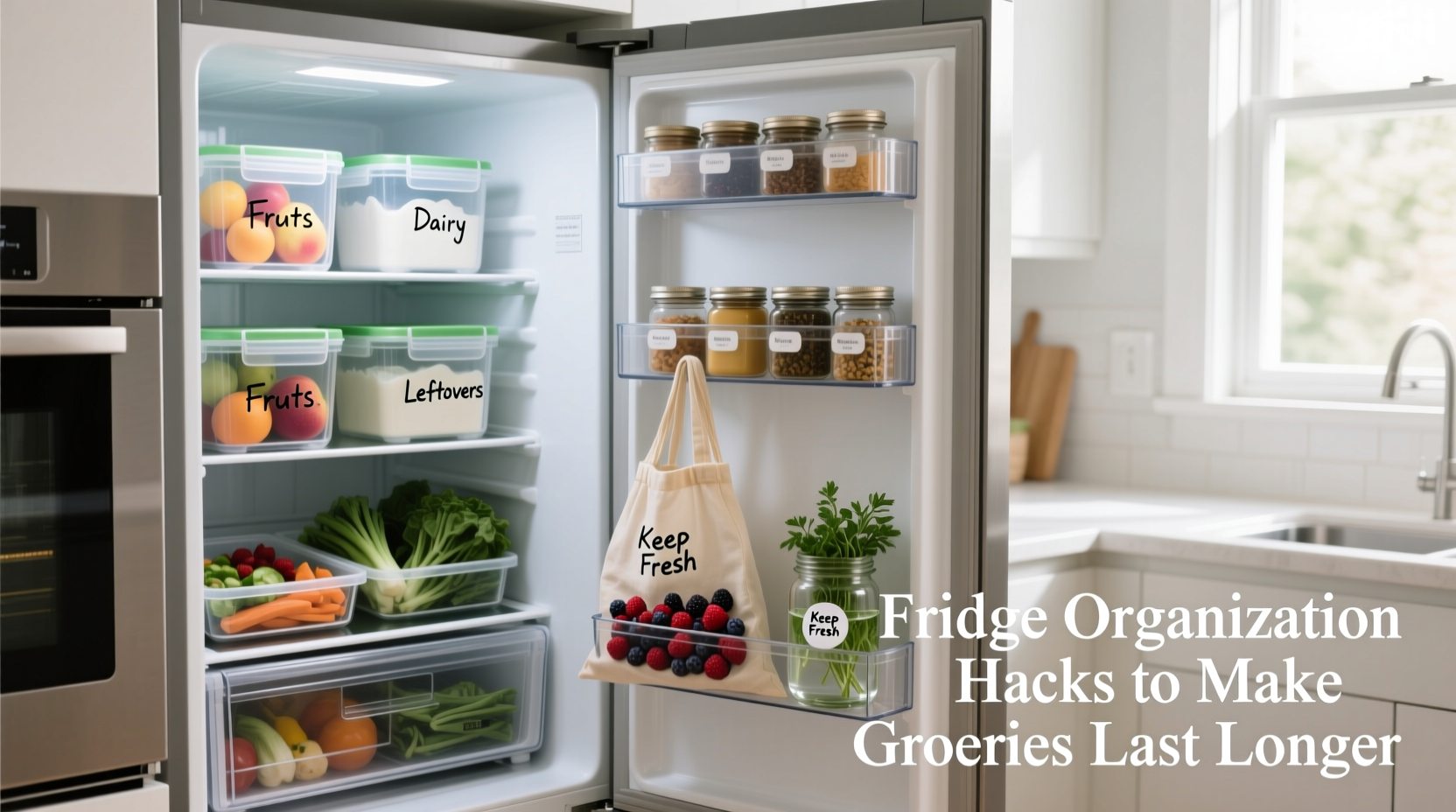
Your refrigerator isn’t uniformly cold. It has distinct temperature zones based on airflow and frequency of door opening. Knowing these zones helps you assign foods to their optimal spots.
The top shelves are usually the most stable in temperature, making them ideal for ready-to-eat items like drinks, yogurts, and leftovers. The middle shelves tend to be slightly warmer but still suitable for eggs, soft cheeses, and sauces. The bottom shelf is the coldest part of the fridge—perfect for raw meat, poultry, and fish, which need the lowest temperatures to inhibit bacterial growth.
The door is the warmest area because it's exposed every time the fridge opens. Despite common practice, it’s not the best place for milk or eggs. Instead, reserve the door for condiments, which are often preserved with salt or vinegar and less perishable.
Crisper Drawer Settings: Humidity Matters
Most modern fridges have adjustable humidity controls on the crisper drawers. One drawer is typically marked “Low” or “Ventilated,” and the other “High” or “Closed.” These settings control ethylene gas and moisture levels, both critical to produce longevity.
- High-humidity drawer (closed vent): Best for leafy greens, herbs, broccoli, and other vegetables that wilt easily. Moisture retention keeps them crisp.
- Low-humidity drawer (open vent): Ideal for fruits like apples, avocados, and peaches that emit ethylene gas. Venting this gas prevents premature ripening of nearby produce.
“Proper humidity management in crisper drawers can extend the life of lettuce by up to 50% compared to storing it in the wrong environment.” — Dr. Lena Torres, Food Preservation Scientist, University of California Davis
Store Produce the Right Way: Beyond the Plastic Bag
Many people toss produce straight into the fridge in its original packaging, but that’s often the fastest route to spoilage. Different fruits and vegetables have different needs when it comes to airflow, moisture, and ethylene sensitivity.
For example, berries should never be washed until just before eating. Excess moisture accelerates mold growth. Instead, give them a quick vinegar rinse (three parts water to one part vinegar) upon arrival, then dry thoroughly and store in a breathable container lined with paper towels.
Herbs like cilantro, parsley, and dill benefit from being treated like cut flowers. Trim the stems and place them in a small jar with an inch of water, then loosely cover with a plastic bag and refrigerate. This method can double their lifespan.
| Produce | Best Storage Method | Avoid |
|---|---|---|
| Leafy Greens | In airtight container with dry paper towel | Sealed plastic bags without drying |
| Tomatoes | Room temperature, out of sunlight | Refrigeration (ruins texture) |
| Onions & Garlic | Cool, dark pantry | Fridge (causes sprouting) |
| Apples | Low-humidity crisper or separate bin | Storing near carrots or leafy greens |
| Carrots | Submerged in water in a sealed container | Dry storage without moisture |
Separate Ethylene Producers from Sensitive Items
Some fruits naturally release ethylene gas as they ripen, which speeds up decay in nearby produce. Apples, bananas, avocados, and tomatoes are high ethylene producers. Meanwhile, broccoli, carrots, leafy greens, and berries are ethylene-sensitive and deteriorate faster when exposed.
To maximize shelf life, never store apples next to carrots—they’ll become bitter. Keep bananas in a fruit bowl on the counter and move them to the fridge only when fully ripe (the peel will blacken, but the fruit inside stays good).
Smart Packaging and Container Strategies
What you store food in matters as much as where you store it. Airtight, reusable containers prevent odor transfer, maintain moisture balance, and protect against contamination.
For pre-cut fruits and vegetables, use glass or BPA-free plastic containers with vents or lids that allow slight airflow. Avoid sealing wet produce in completely airtight containers unless you’ve dried it first.
Invest in specialized storage tools such as:
- Produce preservation bags: Designed to regulate oxygen and moisture (e.g., Debbie Meyer Green Bags).
- Vacuum sealers: Ideal for freezing portions of meat or cheese while minimizing freezer burn.
- Silicone lids and stretch covers: Allow controlled breathing while keeping items covered.
Label leftovers with dates using masking tape and a marker. The USDA recommends consuming cooked leftovers within 3–4 days. A clear label removes guesswork and reduces the risk of foodborne illness.
Real Example: How Sarah Reduced Her Grocery Waste by 60%
Sarah, a busy mother of two in Portland, used to throw away nearly $75 worth of spoiled food each month. After attending a local food preservation workshop, she reorganized her fridge using zone-based storage and invested in stackable glass containers.
She started washing and prepping produce immediately after shopping, storing greens in cloth-lined bins and herbs in water jars. She also began using a weekly meal board to track what needed to be eaten soon.
Within six weeks, her grocery bills dropped by nearly $40 per week, and her family ate fresher meals. “I didn’t realize how much I was wasting just by tossing things into random shelves,” she said. “Now my fridge works for me, not against me.”
Step-by-Step Weekly Fridge Maintenance Routine
Consistent upkeep prevents odors, mold, and forgotten items. Follow this simple weekly routine to keep your fridge optimized for longevity:
- Before grocery shopping: Do a quick scan of your fridge. Identify items nearing expiration and plan meals around them.
- Immediately after shopping: Unload groceries and sort by category—dairy, produce, meat, etc. Discard any packaging that traps moisture (like non-vented clamshells).
- Wipe down shelves: Use a mild vinegar solution (1:1 water and white vinegar) to sanitize surfaces. Pay attention to spills and sticky spots.
- Reorganize for visibility: Place older items in front, newer ones behind (FIFO: First In, First Out). Use clear bins to group similar items.
- Check expiration dates: Remove anything expired or questionable. Compost spoiled produce instead of trashing it when possible.
- Adjust humidity settings: Reassess crisper drawers based on current contents—switch if you’ve added more fruit or greens.
- Inspect door seals: Ensure gaskets are clean and closing tightly. Leaky seals cause temperature fluctuations and higher energy use.
Essential Fridge Organization Checklist
Use this checklist to audit your fridge setup and ensure maximum freshness:
- ✅ Maintain fridge temperature between 35°F and 38°F
- ✅ Store raw meat on the bottom shelf in a sealed container
- ✅ Use high-humidity drawer for leafy greens and veggies
- ✅ Reserve low-humidity drawer for apples, pears, and stone fruits
- ✅ Keep dairy and eggs on interior middle shelves (not the door)
- ✅ Store condiments and juices in the door
- ✅ Wash and dry berries before storing in ventilated containers
- ✅ Label all leftovers with date of preparation
- ✅ Use clear, airtight containers for easy visibility
- ✅ Clean shelves and drawers weekly with vinegar solution
- ✅ Rotate older items to the front (FIFO system)
- ✅ Remove ethylene-producing fruits from sensitive produce
Frequently Asked Questions
Can I freeze milk and cheese to make them last longer?
Yes, but with caveats. Milk freezes well if transferred to a freezer-safe container (leave room for expansion). Thaw in the fridge and shake well before use. Hard cheeses like cheddar can be frozen, though texture may become crumbly—best for cooking. Soft cheeses like ricotta or brie don’t freeze well and should be consumed fresh.
Why do my carrots get slimy in the fridge?
This usually happens when carrots are stored in sealed plastic bags without airflow or when they’re not dried properly after washing. To prevent slime, store carrots submerged in cold water in a sealed container and change the water every 2–3 days. This method keeps them crisp for up to three weeks.
Is it safe to store hot food in the fridge?
Modern refrigerators can handle warm (not boiling) food, but large pots should be divided into shallow containers to cool faster. Leaving food out too long increases the risk of bacterial growth. The FDA recommends refrigerating cooked food within two hours (one hour if ambient temperature exceeds 90°F).
Final Thoughts: Turn Your Fridge Into a Freshness Engine
Organizing your fridge isn’t about perfection—it’s about function. Every adjustment you make, from separating ethylene producers to labeling leftovers, contributes to a system that preserves freshness and reduces waste. These habits compound over time, leading to fewer spoiled items, healthier meals, and noticeable savings.
You don’t need expensive organizers or a new appliance. Start with one change this week—maybe reassign your crisper settings or wash your berries with vinegar. Build from there. Small actions create lasting results.




 浙公网安备
33010002000092号
浙公网安备
33010002000092号 浙B2-20120091-4
Comments
No comments yet. Why don't you start the discussion?