
Many people begin a workout routine expecting rapid weight loss, only to be surprised when the scale goes up instead of down. This can be frustrating and confusing—especially if you’re putting in consistent effort at the gym. However, gaining weight while working out isn’t necessarily a sign of failure. In fact, it’s often a normal part of building strength, improving fitness, and reshaping your body. The key is understanding why it's happening and how to respond appropriately.
This article explores four common reasons behind weight gain during exercise and offers actionable strategies to help you align your efforts with your goals—whether that’s fat loss, muscle gain, or improved overall health.
1. Muscle Gain Outpaces Fat Loss
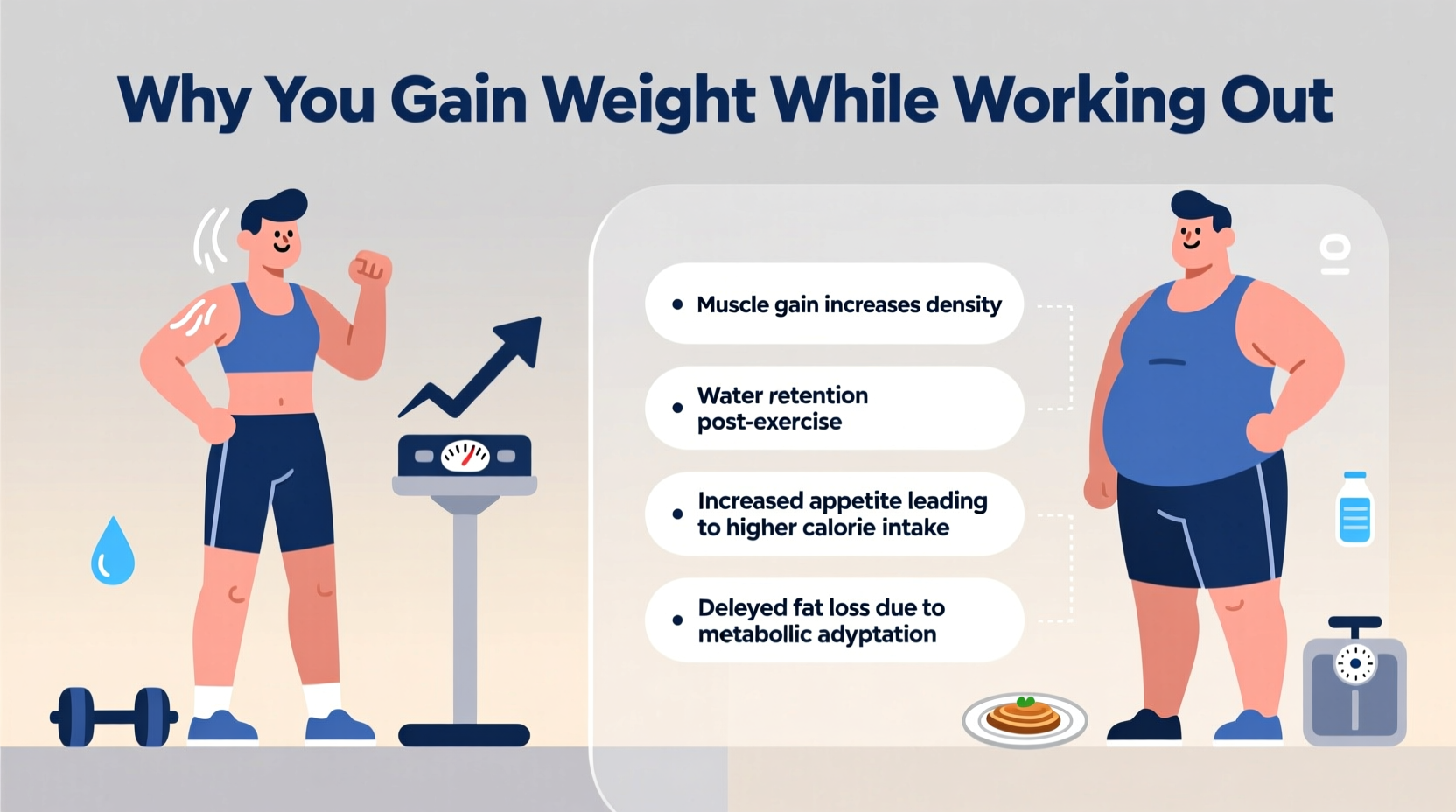
One of the most frequent explanations for weight gain during workouts is increased muscle mass. Strength training stimulates muscle growth, and muscle tissue is denser than fat. As a result, even as you lose body fat, the added muscle can cause the number on the scale to rise.
This shift improves body composition—a more accurate measure of progress than weight alone. You may notice clothes fitting better, improved posture, and greater endurance, despite the higher reading on the scale.
How to Manage It
- Focus on resistance training with progressive overload to continue building lean muscle.
- Pair strength work with moderate cardio to support fat burning without sacrificing gains.
- Use a tape measure to track waist, hips, arms, and thighs every 3–4 weeks.
“Muscle is metabolically active tissue. Gaining muscle increases your resting metabolic rate, which helps burn more calories throughout the day.” — Dr. Lisa Nguyen, Exercise Physiologist
2. Water Retention from Intense Workouts
Starting or intensifying a workout regimen often leads to temporary water retention. When you engage in new or strenuous physical activity, especially resistance training, microscopic muscle damage occurs. Your body responds by increasing fluid delivery to repair tissues, leading to short-term swelling and bloating.
This effect is amplified if you're consuming more sodium post-workout (e.g., through sports drinks or processed recovery foods) or not hydrating properly. Additionally, hormonal fluctuations related to exercise—particularly in women—can contribute to water retention.
The good news: this type of weight gain is usually transient and resolves within a few days to a week.
What You Can Do
- Stay consistently hydrated—drink water before, during, and after workouts.
- Aim for balanced electrolytes; avoid excessive salt intake post-exercise.
- Include potassium-rich foods like bananas, spinach, and sweet potatoes to help regulate fluid balance.
- Allow 7–10 days for your body to adapt when starting a new program.
3. Increased Appetite and Caloric Surplus
Exercise boosts appetite—especially high-intensity or prolonged sessions. Many people unknowingly eat more after starting a workout plan, sometimes consuming more calories than they burned. This caloric surplus leads to weight gain over time, even with regular training.
Additionally, some individuals fall into the trap of “rewarding” themselves with food after workouts, believing they’ve “earned” extra treats. While proper fueling is essential, unchecked eating can undermine weight management goals.
| Scenario | Calories Burned | Common Post-Workout Choice | Calories Consumed |
|---|---|---|---|
| 45-min strength session | ~300 kcal | Protein shake + granola bar | ~500 kcal |
| 30-min HIIT class | ~350 kcal | Sports drink + muffin | ~600 kcal |
| Hour-long run | ~500 kcal | Pasta dinner + dessert | ~900 kcal |
As shown above, it’s easy to exceed energy expenditure with seemingly healthy choices.
Action Plan: Avoid Overeating Post-Workout
- Eat balanced meals with protein, fiber, and healthy fats to stay full longer.
- Choose whole-food snacks like Greek yogurt, fruit, or nuts instead of processed bars.
- Wait 20 minutes after a workout before eating to assess actual hunger levels.
- Don’t skip meals earlier in the day—this leads to overcompensation later.
4. Hormonal and Metabolic Shifts
Exercise influences hormones such as cortisol, insulin, leptin, and ghrelin—all of which play roles in appetite, fat storage, and metabolism. Chronic stress or overtraining can elevate cortisol levels, promoting abdominal fat storage and increased hunger.
Women may also experience weight fluctuations due to menstrual cycle phases. For example, progesterone dominance in the luteal phase often causes water retention and cravings, which can lead to slight weight increases mid-cycle—even with consistent training.
Moreover, if you've previously dieted aggressively, your metabolism may have slowed down. When you start exercising without adjusting calorie intake accordingly, the combination of increased appetite and reduced metabolic efficiency can promote weight gain.
Strategies to Support Hormonal Balance
- Prioritize sleep (7–9 hours per night) to regulate cortisol and hunger hormones.
- Incorporate rest days and low-intensity movement (like walking or yoga) to prevent overtraining.
- Manage stress through mindfulness, breathing exercises, or journaling.
- Consider tracking cycles if you're female—adjust expectations around certain times of the month.
Mini Case Study: Sarah’s Experience
Sarah, a 32-year-old office worker, started a new gym routine focused on weightlifting and cardio five days a week. After three weeks, she stepped on the scale expecting to see a drop—but was shocked to find she’d gained two pounds.
Discouraged, she almost quit—until her trainer suggested measuring her waist and hips. Both had decreased by an inch. Her body fat percentage, measured via bioelectrical impedance, dropped from 31% to 29%. She realized she was gaining muscle and losing fat simultaneously.
By shifting her focus from the scale to body composition and performance (she could lift heavier weights and walk longer distances), Sarah stayed motivated. Within eight weeks, her weight stabilized and then began to decline steadily.
Frequently Asked Questions
Is it normal to gain weight when starting a workout program?
Yes, especially if you're doing strength training. Initial gains in muscle mass and water retention are common. Give it 4–6 weeks before judging results based on weight alone.
Should I stop working out if I’m gaining weight?
No. Weight gain doesn’t always mean fat gain. Evaluate other markers like energy levels, clothing fit, strength improvements, and body measurements before making changes.
How can I lose fat without losing muscle?
Maintain a moderate calorie deficit (300–500 kcal below maintenance), consume adequate protein (0.8–1g per pound of body weight), and continue resistance training. Patience is key—aim for 0.5–1 lb of fat loss per week.
Checklist: What to Do If You’re Gaining Weight While Working Out
- ✅ Assess whether the gain is muscle, fat, or water-related.
- ✅ Measure body circumference and take progress photos monthly.
- ✅ Track daily food intake for at least three non-consecutive days.
- ✅ Ensure protein intake supports muscle preservation (~1.6–2.2g/kg body weight).
- ✅ Get enough sleep and manage stress to support hormonal health.
- ✅ Re-evaluate your goals—are you aiming for fat loss, muscle gain, or general fitness?
Conclusion: Rethink the Number on the Scale
Gaining weight while working out is not inherently bad—it can actually signal positive physiological changes. The real goal should be improving body composition, boosting strength, and enhancing overall well-being, not chasing a specific number on the scale.
By understanding the reasons behind weight gain during exercise and taking informed action, you can stay on course toward sustainable results. Focus on consistency, listen to your body, and celebrate non-scale victories like increased stamina, better mood, and tighter-fitting clothes.




 浙公网安备
33010002000092号
浙公网安备
33010002000092号 浙B2-20120091-4
Comments
No comments yet. Why don't you start the discussion?