
The wireless earbud market moves fast, and Samsung’s Galaxy Buds lineup is no exception. When the Galaxy Buds 2 arrived as a successor to the original Galaxy Buds, it promised improvements in design, audio quality, and noise cancellation. But for users already satisfied with the first-generation model, the big question remains: is upgrading truly worth it? The answer depends on your priorities—whether you value richer sound, better comfort, or smarter features.
Design and Comfort: A Noticeable Evolution
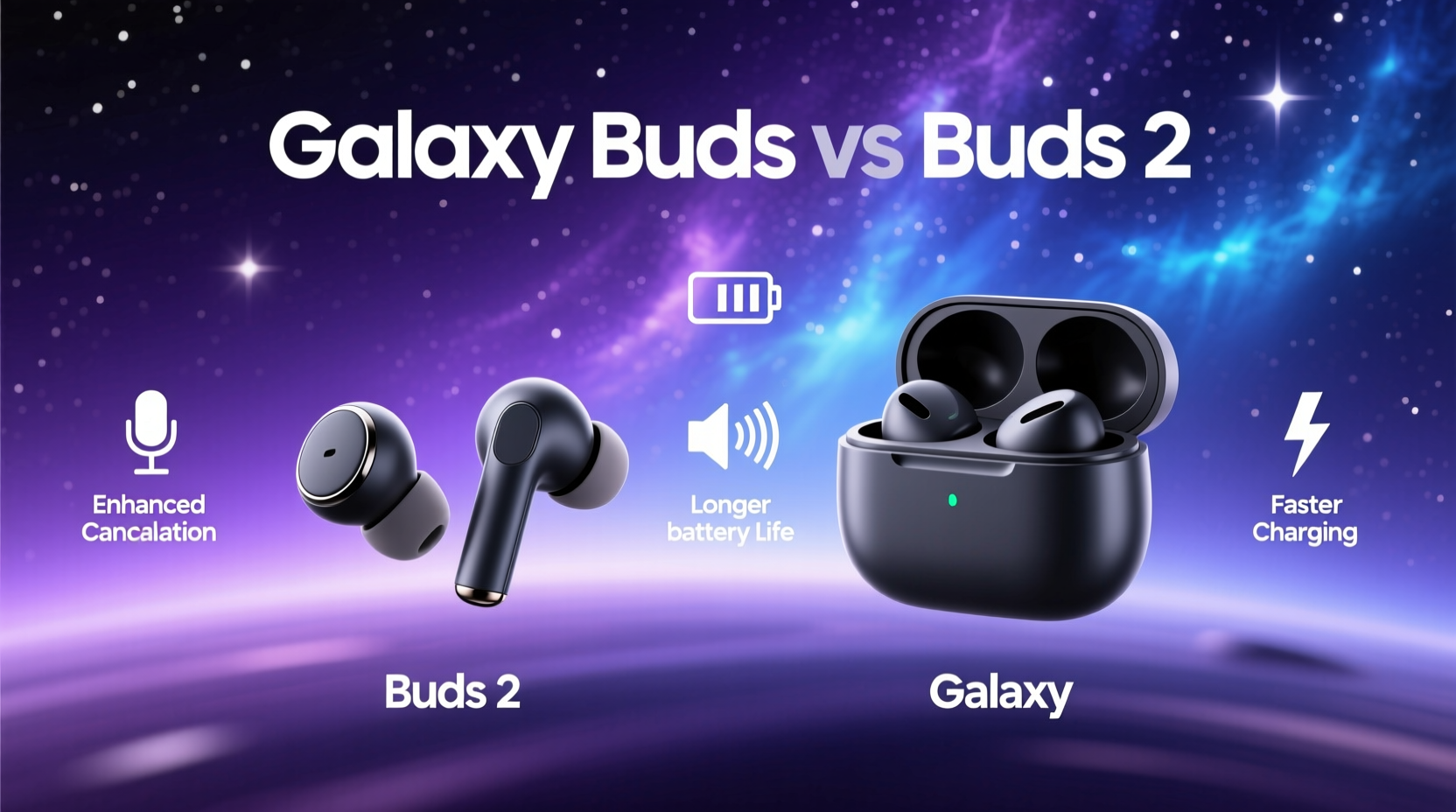
The original Galaxy Buds were among the first true wireless earbuds from Samsung, offering a compact, in-ear design with wingtips for stability. While functional, some users found them slightly bulky or prone to slipping during workouts. The Galaxy Buds 2 addressed these concerns with a redesigned, smaller form factor that fits more naturally in the ear canal.
Samsung reduced the overall size by nearly 20% compared to the original, making the Buds 2 significantly lighter at just 5 grams per earbud. This reduction enhances long-term wearability, especially for users who listen for hours at a time. The matte finish also resists fingerprints better than the glossy shell of the first-gen model.
The ergonomic redesign isn’t just about aesthetics. Real-world feedback shows fewer reports of ear fatigue after extended use. For commuters or remote workers relying on earbuds all day, this subtle shift makes a tangible difference.
Sound Quality: Clarity Over Bass
Audiophiles often cite sound as the deciding factor when choosing between generations. Here, the Galaxy Buds 2 deliver a meaningful upgrade. While both models feature dual drivers (a dynamic woofer and an ultra-low distortion tweeter), the tuning and driver alignment have been refined in the newer version.
The Buds 2 offer a more balanced frequency response. The original Galaxy Buds leaned heavily into bass, which worked well for pop and EDM but muddied vocals and midrange instruments. In contrast, the Buds 2 present clearer highs and more defined mids, making them better suited for podcasts, classical music, and acoustic tracks.
“Samsung finally struck a balance with the Buds 2—not too bass-heavy, not too thin. It’s their most neutral-sounding consumer bud yet.” — James Lin, Audio Reviewer at SoundInsight Weekly
Additionally, support for Samsung Scalable Codec ensures consistent audio transmission across Galaxy devices, though neither model supports high-resolution codecs like LDAC natively.
Noise Cancellation and Ambient Mode
This is where the Galaxy Buds 2 pull decisively ahead. The original Galaxy Buds offered passive noise isolation only—relying solely on the ear tips to block external sound. The Buds 2 introduce active noise cancellation (ANC), a feature many users didn’t know they needed until they experienced it.
ANC on the Buds 2 isn’t class-leading like Sony or Bose, but it effectively reduces low-frequency hums such as airplane engines, air conditioners, or city traffic. In daily use, this means fewer distractions during calls or focus sessions. Combined with improved ambient mode (which lets outside sound in when needed), the Buds 2 adapt better to changing environments.
One user reported using them on a cross-country flight: “With ANC turned on, I could actually hear dialogue in the movie without cranking volume to uncomfortable levels. The original Buds would’ve required constant readjustment.”
Feature Comparison: What Changed?
| Feature | Galaxy Buds | Galaxy Buds 2 |
|---|---|---|
| Weight (per bud) | 6.3g | 5.0g |
| Driver Setup | Dual Driver (Tweeter + Woofer) | Dual Driver (Improved Tuning) |
| Noise Cancellation | Passive Only | Active ANC + Ambient Mode |
| Battery Life (with case) | Up to 13 hours | Up to 20 hours |
| Water Resistance | IPX2 | IPX2 |
| Touch Controls | Tap & Swipe | Tap Only |
| Find My Earbuds | No | Yes (with proximity alerts) |
The table highlights key differences. Battery life jumps from 13 to 20 hours with the charging case, a significant boost for heavy users. However, touch controls regressed—swipe gestures for volume adjustment were removed in favor of simpler tap commands. Some users miss the convenience, while others appreciate the reduced accidental triggers.
Real-World Example: Upgrading for Work and Travel
Consider Maria, a freelance designer who uses her earbuds daily. She started with the original Galaxy Buds and loved their integration with her Note 10. But over time, she noticed limitations: background noise disrupted her Zoom calls, and battery life barely lasted through back-to-back meetings.
After upgrading to the Galaxy Buds 2, she enabled ANC during client calls in noisy cafes and used ambient mode to stay aware while walking between co-working spaces. The longer battery life meant she rarely had to charge the case during workweeks. “It felt like going from analog to digital,” she said. “Same brand, same ecosystem—but everything just works smoother now.”
Should You Upgrade? A Practical Checklist
If you’re still on the fence, ask yourself the following:
- Do you frequently use your earbuds in noisy environments?
- Have you struggled with fit or comfort during long listening sessions?
- Are you frustrated by short battery life?
- Would ANC or ambient sound switching improve your daily routine?
- Do you own a newer Galaxy phone that supports full Buds 2 features?
If you answered yes to two or more, the upgrade is likely justified. However, if your current Buds still meet your needs and you don’t rely on ANC or extended battery, holding off may be sensible—especially if budget is a concern.
Frequently Asked Questions
Can I pair Galaxy Buds 2 with non-Samsung phones?
Yes. While you get the best experience with Samsung devices—including seamless setup and firmware updates—the Buds 2 work via standard Bluetooth pairing on any Android or iOS device. However, some features like auto-switching and voice detection are limited or unavailable.
Is the water resistance the same between models?
Yes, both models have an IPX2 rating, meaning they can withstand light splashes (like sweat) but aren’t suitable for rain or submersion. Neither should be worn while showering or swimming.
Do the Galaxy Buds 2 come with wireless charging?
Yes, both the original Galaxy Buds and Buds 2 charging cases support Qi wireless charging, allowing you to place the case on any compatible charging pad.
Final Verdict: Who Benefits Most From the Upgrade?
The Galaxy Buds 2 aren’t revolutionary, but they represent a thoughtful refinement of the original formula. If you value active noise cancellation, improved audio clarity, better fit, and longer battery life, the upgrade delivers tangible benefits. These enhancements add up in real-world usage—especially for professionals, travelers, or frequent public transit riders.
That said, the original Galaxy Buds remain functional and capable for casual listeners. Their sound profile may even appeal to those who prefer a bass-forward signature. Unless you're experiencing hardware issues or strongly desire ANC, upgrading purely for novelty isn't necessary.




 浙公网安备
33010002000092号
浙公网安备
33010002000092号 浙B2-20120091-4
Comments
No comments yet. Why don't you start the discussion?