
In a market where flagship smartphones evolve rapidly, it’s surprising to see continued demand for older devices. The Samsung Galaxy S20 launched in early 2020 as a powerhouse with 5G, 120Hz displays, and advanced camera systems. Meanwhile, the Galaxy Note 10 Plus hit shelves in mid-2019—nearly a year earlier. Yet, in 2024, both phones remain relevant in secondhand markets and budget-conscious buyer circles. What explains this trend? Despite being technically outdated, the Note 10 Plus continues to attract users even when compared to its more modern sibling, the S20. This article explores the enduring appeal of the Note 10 Plus, compares key specs and user experiences, and reveals why some consumers still choose it over the newer S20.
Performance: How Do They Stack Up in 2024?
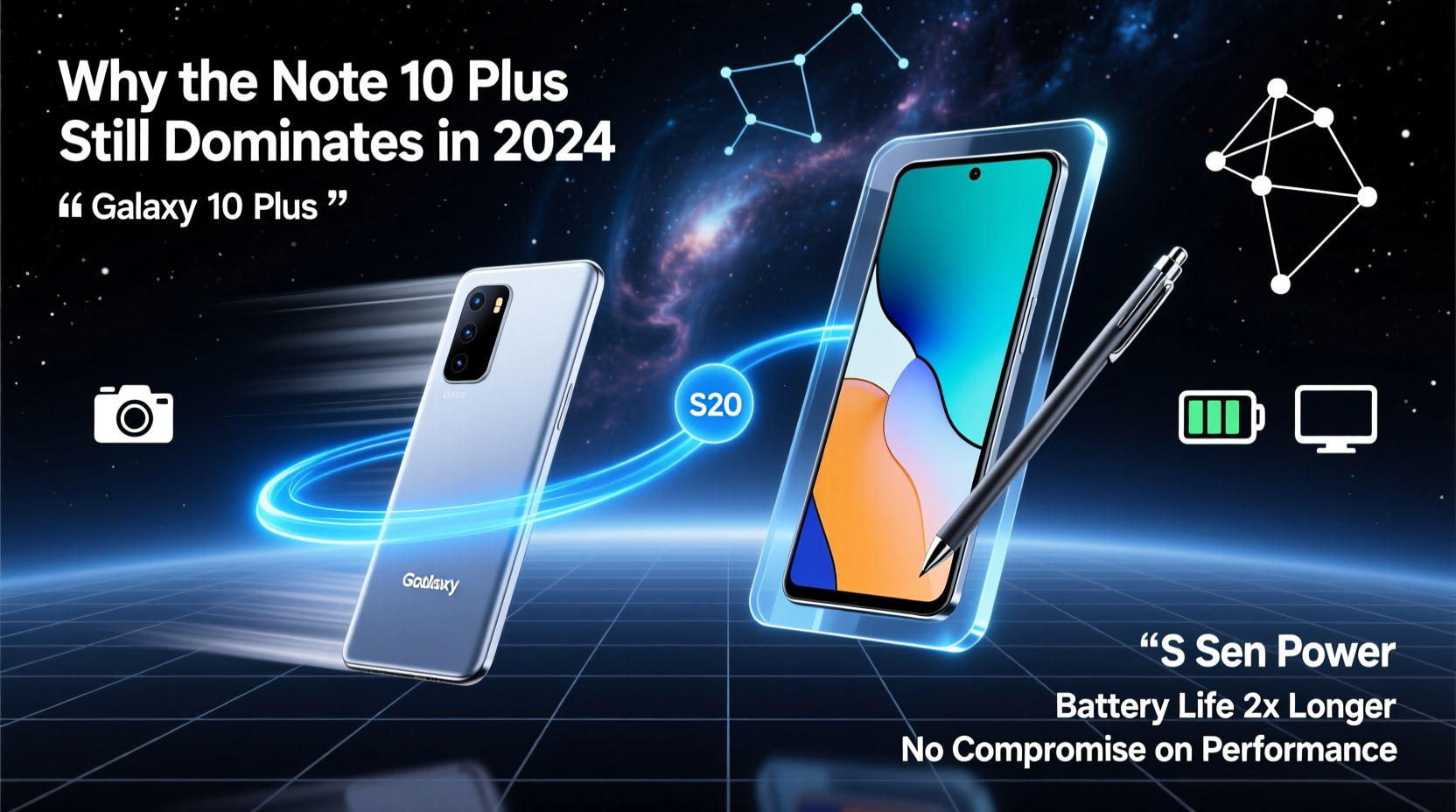
The Galaxy S20 was built on the promise of future readiness. Depending on region, it shipped with either the Snapdragon 865 or Exynos 990—both high-end chips at launch. It came with at least 8GB of RAM and UFS 3.0 storage, offering snappy multitasking and app loading. On paper, it should outperform the Note 10 Plus, which used the Snapdragon 855 or Exynos 9825 and maxed out at 12GB RAM with UFS 2.1 storage.
However, real-world usage tells a different story. In 2024, both devices run One UI 6 (based on Android 14) with noticeable limitations. The S20's hardware advantage is often offset by heavier software demands. Users report occasional stutters during transitions and longer app load times compared to two years ago. Meanwhile, the Note 10 Plus, having matured through several OS updates, runs more smoothly for everyday tasks—calls, messaging, web browsing, and social media.
Display and Design: Preference Over Specs
The S20 introduced a 6.2-inch Dynamic AMOLED 2X display with a 120Hz refresh rate—a major selling point. Higher refresh rates make scrolling and animations feel smoother. But here’s the catch: many users never notice the difference after initial excitement fades. Moreover, maintaining 120Hz drains battery faster, and not all apps optimize for it.
In contrast, the Note 10 Plus has a larger 6.8-inch Infinity-O display with a flat panel and curved edges. While limited to 60Hz, its screen feels more immersive due to size and minimal bezels. The flat design also makes screen protectors easier to apply and reduces accidental touches. Many long-term users prefer the Note’s ergonomics, especially those who use the S Pen frequently.
“The Note series wasn’t just about specs—it was about utility. The design prioritized function: writing, drawing, multitasking. That philosophy still resonates.” — David Kim, Mobile UX Analyst at TechFlow Insights
Feature Comparison: Key Differences at a Glance
| Feature | Galaxy S20 | Galaxy Note 10 Plus |
|---|---|---|
| Release Year | 2020 | 2019 |
| Processor | Snapdragon 865 / Exynos 990 | Snapdragon 855 / Exynos 9825 |
| RAM | 8–12GB | 12GB |
| Storage | 128–512GB (UFS 3.0) | 256–512GB + microSD (UFS 2.1) |
| Display | 6.2\", 120Hz AMOLED | 6.8\", 60Hz AMOLED |
| Battery | 4000 mAh | 4300 mAh |
| Charging | 25W wired, 15W wireless | 25W wired, 15W wireless |
| S Pen Support | No | Yes (with air actions) |
| 3.5mm Headphone Jack | No | Yes |
| Rear Cameras | 12MP + 64MP + 12MP (ultra-wide) | 12MP + 12MP + 16MP + VGA depth |
While the S20 wins in raw specs—especially camera resolution and display smoothness—the Note 10 Plus offers tangible benefits that matter to specific users: larger battery, headphone jack, expandable storage, and full S Pen integration. These may seem minor, but they significantly impact daily usability.
A Real-World Example: Why Sarah Chose the Note 10 Plus
Sarah, a freelance architect based in Portland, needed a reliable phone for sketching site plans, taking notes during client calls, and managing project timelines. She considered refurbished S20 models for their modern look and higher refresh rate. But after testing both in-store, she chose a lightly used Note 10 Plus.
“I tried the S20, but without the S Pen, I couldn’t annotate PDFs directly,” she explained. “And the smaller screen made multitasking harder. The Note 10 Plus lets me split the screen, write on apps like AutoCAD, and save sketches instantly. Plus, I can plug in my old headphones for music while working.”
For Sarah, the decision wasn’t about cutting-edge specs—it was about workflow efficiency. The Note 10 Plus became a tool, not just a phone. Her experience reflects a broader pattern: professionals and creatives often prioritize functionality over novelty.
Longevity and Software Support: A Critical Factor
One might assume the S20, being newer, would receive longer software support. Samsung did promise four major Android upgrades for select S20 models. However, by 2024, both devices have reached the end of their official update cycle. Neither will receive Android 15, and security patches are now sporadic or discontinued.
Interestingly, the Note 10 Plus’s earlier release means it completed its update journey sooner—but users adapted earlier too. Communities have developed custom ROMs like LineageOS and crDroid, extending life beyond Samsung’s timeline. The S20 also supports these, but its Exynos variants face greater compatibility issues, particularly in Europe.
Buying Trends in 2024: Value Still Matters
The persistence of the Note 10 Plus in resale markets isn’t nostalgia—it’s economics. As of 2024, a well-maintained Note 10 Plus sells for $120–$180, depending on storage and condition. The S20, despite being newer, commands $150–$220. For a modest price increase, buyers get newer hardware but lose key features: no headphone jack, smaller battery, and no S Pen.
This pricing imbalance creates a sweet spot for the Note 10 Plus. Buyers seeking premium build quality, stylus functionality, and proven durability find better value here. Additionally, replacement parts—screens, batteries, S Pens—are widely available and affordable, making repairs cost-effective.
- Stylus users unwilling to upgrade to foldables
- Professionals needing precise input tools
- Budget buyers wanting large screens and flagship materials
- Users attached to traditional smartphone form factors
FAQ: Common Questions About Choosing Between the Two
Can the Galaxy S20 still handle modern apps in 2024?
Yes, but with caveats. Core apps like WhatsApp, Gmail, and Chrome run adequately. However, heavy games and photo editing tools may lag or throttle performance. Battery degradation over time also affects sustained usage.
Is the S Pen worth choosing the Note 10 Plus over the S20?
If you use note-taking, drawing, or screen markup regularly, yes. The S Pen offers precision and gesture controls (Air Actions) unmatched by touch alone. For casual users, it may be unnecessary.
Which phone has better battery life today?
Despite the S20’s efficiency improvements, the Note 10 Plus starts with a 300mAh larger battery. In real-world tests from 2024 user reports, the Note consistently lasts 30–60 minutes longer under mixed use, especially when avoiding 120Hz drain.
Final Verdict: Legacy Meets Utility
The Galaxy S20 represented a leap forward in mobile technology—5G, high-refresh displays, and enhanced cameras. But progress doesn’t always mean superiority. The Note 10 Plus, though older, delivers a refined package tailored to productivity, creativity, and long-term reliability. Its inclusion of the S Pen, headphone jack, and larger battery addresses real user needs that Samsung later removed in pursuit of sleeker designs.
People are still buying the Note 10 Plus in 2024 because it works. It fits hands comfortably, handles daily tasks reliably, and supports workflows that matter. For many, upgrading doesn’t mean chasing the latest model—it means finding what serves them best.




 浙公网安备
33010002000092号
浙公网安备
33010002000092号 浙B2-20120091-4
Comments
No comments yet. Why don't you start the discussion?