
The Samsung Galaxy S9 and S9 Plus were flagship devices that set a high bar for smartphone design, performance, and camera quality in 2018. While they share nearly identical core features—Snapdragon 845 chipset, IP68 rating, and an excellent single rear camera—the key difference lies in size. The S9 Plus offers a larger display, dual rear cameras, and a bigger battery. But does that justify the price jump and added bulk? For users deciding between the two, the central question remains: Is the bigger screen really worth it?
This isn’t just about inches or resolution—it’s about how screen size impacts daily use, media consumption, multitasking, and portability. Let’s break down the differences with real-world context to help you decide which device aligns best with your lifestyle.
Display and Design: Size Matters, But How Much?
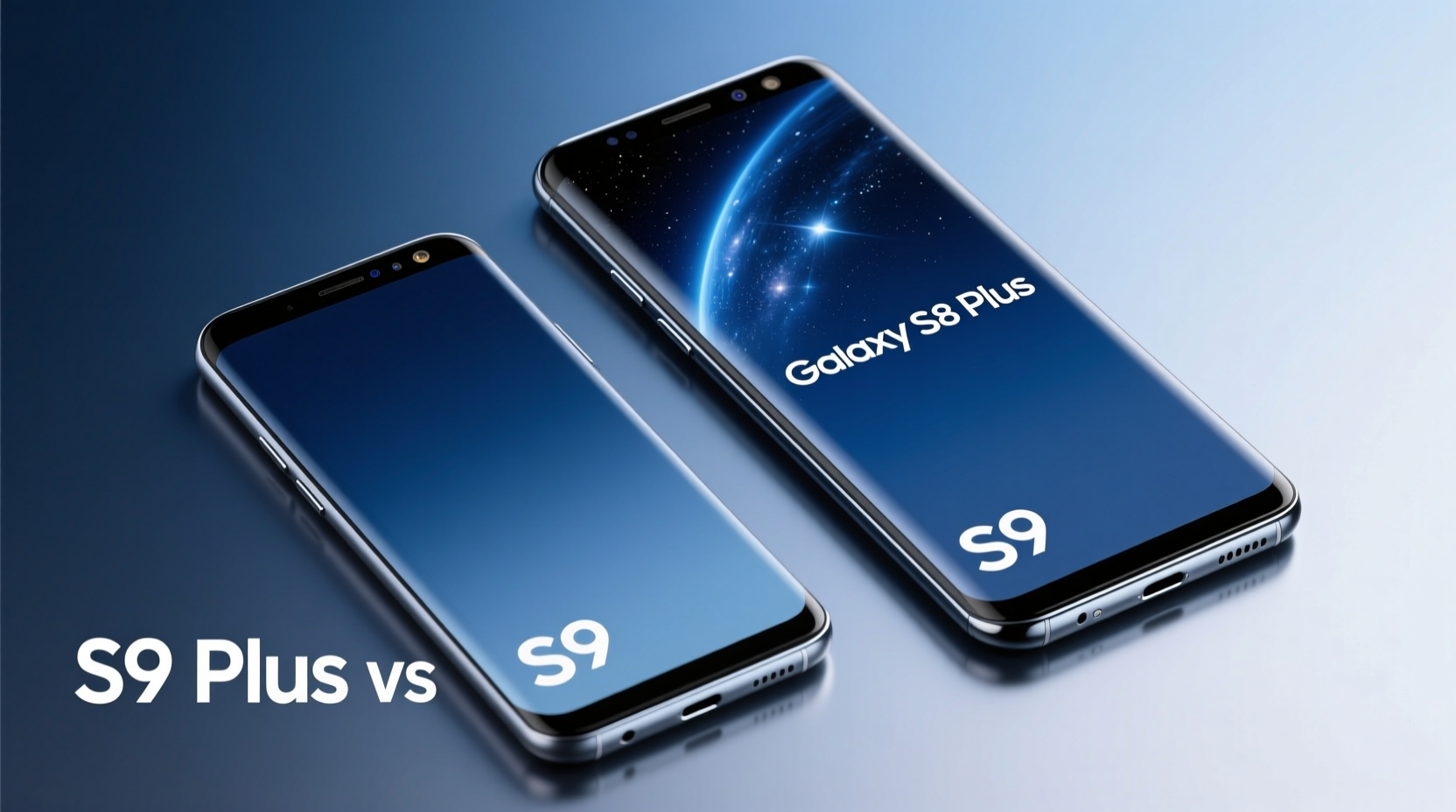
The most noticeable difference between the Galaxy S9 and S9 Plus is the display. The S9 features a 5.8-inch Quad HD+ Super AMOLED screen, while the S9 Plus boasts a 6.2-inch version of the same panel. Both offer vibrant colors, deep blacks, and HDR10 support, making them excellent for video and photo viewing.
However, the 0.4-inch increase on the Plus model translates into significantly more screen real estate. This becomes evident when reading long articles, browsing social media feeds, or watching Netflix. Text appears slightly larger by default, reducing eye strain during extended sessions. Additionally, the taller aspect ratio (18.5:9) means more content fits vertically on the screen without scrolling.
Design-wise, both phones are nearly identical—glass backs, aluminum frames, and the iconic curved edges. However, the S9 Plus is noticeably heavier at 189g compared to the S9’s 163g. For users who prefer one-handed operation or carry their phone in tight pockets, the smaller S9 may feel more comfortable over time.
Battery Life and Performance: Real-World Differences
Battery capacity is where the S9 Plus clearly pulls ahead. It houses a 3,500mAh battery versus the S9’s 3,000mAh. In practical terms, this means an additional 1.5 to 2 hours of screen-on time under typical usage—browsing, messaging, light gaming, and streaming music.
For heavy users—those who work remotely, stream videos during commutes, or rely on GPS navigation—the extra endurance is a tangible benefit. You’re less likely to reach for a power bank by mid-afternoon. Light users, however, may find the S9’s battery sufficient, especially with adaptive brightness and optimized app management.
Performance is otherwise identical. Both devices run the same Qualcomm Snapdragon 845 (or Exynos 9810 in some regions), 4GB of RAM (6GB on Plus for multitasking), and offer smooth animations, fast app launches, and reliable gaming performance. Neither lags behind in day-to-day tasks.
“Battery life often determines user satisfaction more than any spec sheet number. The S9 Plus delivers peace of mind for travelers and professionals.” — David Kim, Mobile Tech Analyst at GadgetInsight
Camera Comparison: Dual Lenses vs Simplicity
One of the few hardware upgrades on the S9 Plus is its dual rear camera setup: a 12MP wide-angle lens and a 12MP telephoto lens. This enables 2x optical zoom and improved portrait mode with adjustable bokeh—a feature absent on the standard S9, which relies solely on software tricks for depth effects.
In real-world testing, the telephoto lens proves useful for capturing distant subjects without quality loss. Whether photographing a stage performance or a child on a playground, the ability to zoom optically adds versatility. Portrait shots also appear more natural, with better edge detection and background blur control.
However, the primary wide-angle sensor is identical on both models, featuring variable aperture (f/1.5–f/2.4), superb low-light performance, and excellent dynamic range. For casual photographers who mainly shoot landscapes, selfies, or well-lit scenes, the S9’s camera is more than capable.
| Feature | Galaxy S9 | Galaxy S9 Plus |
|---|---|---|
| Display Size | 5.8 inches | 6.2 inches |
| Battery Capacity | 3,000 mAh | 3,500 mAh |
| Rear Cameras | Single 12MP (f/1.5–2.4) | Dual 12MP (wide + telephoto) |
| RAM | 4GB | 6GB |
| Weight | 163g | 189g |
| Price (Launch) | $719 | $839 |
Mini Case Study: Two Users, Two Choices
Alex, a freelance writer and commuter: Alex spends two hours daily on public transit reading news, editing documents, and watching documentaries. After switching from the S9 to the S9 Plus, they reported reduced eye fatigue and greater enjoyment of long-form content. The larger screen made split-screen multitasking (e.g., referencing research while writing) far more practical. Despite the added weight, Alex found the trade-off worthwhile.
Jamie, a fitness instructor with small hands: Jamie values pocketability and one-handed use during quick breaks between classes. They preferred the S9 for its compact size and lighter build. Although they occasionally missed the optical zoom, they rarely used portrait mode and found the S9’s battery lasted through their 10-hour workday with moderate charging habits.
These examples illustrate that the “better” phone depends entirely on personal priorities. There is no universal winner—only what suits your routine.
Tips for Choosing Between S9 and S9 Plus
- Prioritize screen size? Go for the S9 Plus if you watch videos, read e-books, or use productivity apps regularly.
- Prefer one-handed use? The S9 fits better in small hands and tighter pockets.
- Need better battery? The Plus model lasts longer, especially with heavy usage.
- Care about photography? Optical zoom and portrait mode improvements on the Plus are valuable for enthusiasts.
- Budget-conscious? The S9 offered significant savings at launch and remains a powerful device secondhand.
Frequently Asked Questions
Can the Galaxy S9 handle modern apps and updates?
Yes. While it no longer receives major Android OS updates, the S9 still runs most current apps smoothly thanks to its Snapdragon 845 processor and 4GB RAM. Security patches ended in 2021, so consider privacy risks if using it as a primary device.
Is the S9 Plus too big for average users?
It depends on hand size and usage habits. Many users adapt quickly to larger phones, but those with smaller hands may struggle with one-handed navigation. Consider using Samsung’s “Easy Mode” or one-handed operation settings to improve accessibility.
Does the bigger screen drain the battery faster?
While larger screens typically consume more power, the S9 Plus compensates with a significantly larger battery. In practice, the efficiency per hour of use is similar, but total endurance is better due to capacity.
Conclusion: Making the Right Choice for Your Lifestyle
The Galaxy S9 and S9 Plus represent two sides of the same coin: premium craftsmanship, stellar displays, and top-tier performance for their era. The decision between them ultimately comes down to how you use your phone and what compromises you’re willing to make.
If you value immersive media, extended battery life, and advanced camera features, the S9 Plus justifies its size and cost. But if portability, lighter weight, and simplicity matter more, the S9 delivers nearly all the flagship experience in a more manageable form.
Technology should serve your life—not complicate it. Choose the device that fits not just in your pocket, but in your daily rhythm.




 浙公网安备
33010002000092号
浙公网安备
33010002000092号 浙B2-20120091-4
Comments
No comments yet. Why don't you start the discussion?