
The Samsung Galaxy Z Flip series redefines smartphone design with its sleek foldable form factor. But with innovation comes vulnerability—especially when it comes to screen integrity and hinge durability. One of the most common questions among new and existing owners: Is a simple back cover sufficient protection, or should you invest in a full-body case? The answer isn’t just about aesthetics—it’s about long-term usability, cost of repairs, and peace of mind.
Unlike traditional smartphones, the Z Flip’s foldable display and exposed hinge mechanism introduce unique risks. A cracked screen or damaged hinge can lead to repair costs exceeding $200—even more if not covered by warranty. Choosing the right case is no longer optional; it’s essential damage control.
Understanding the Vulnerabilities of the Galaxy Z Flip
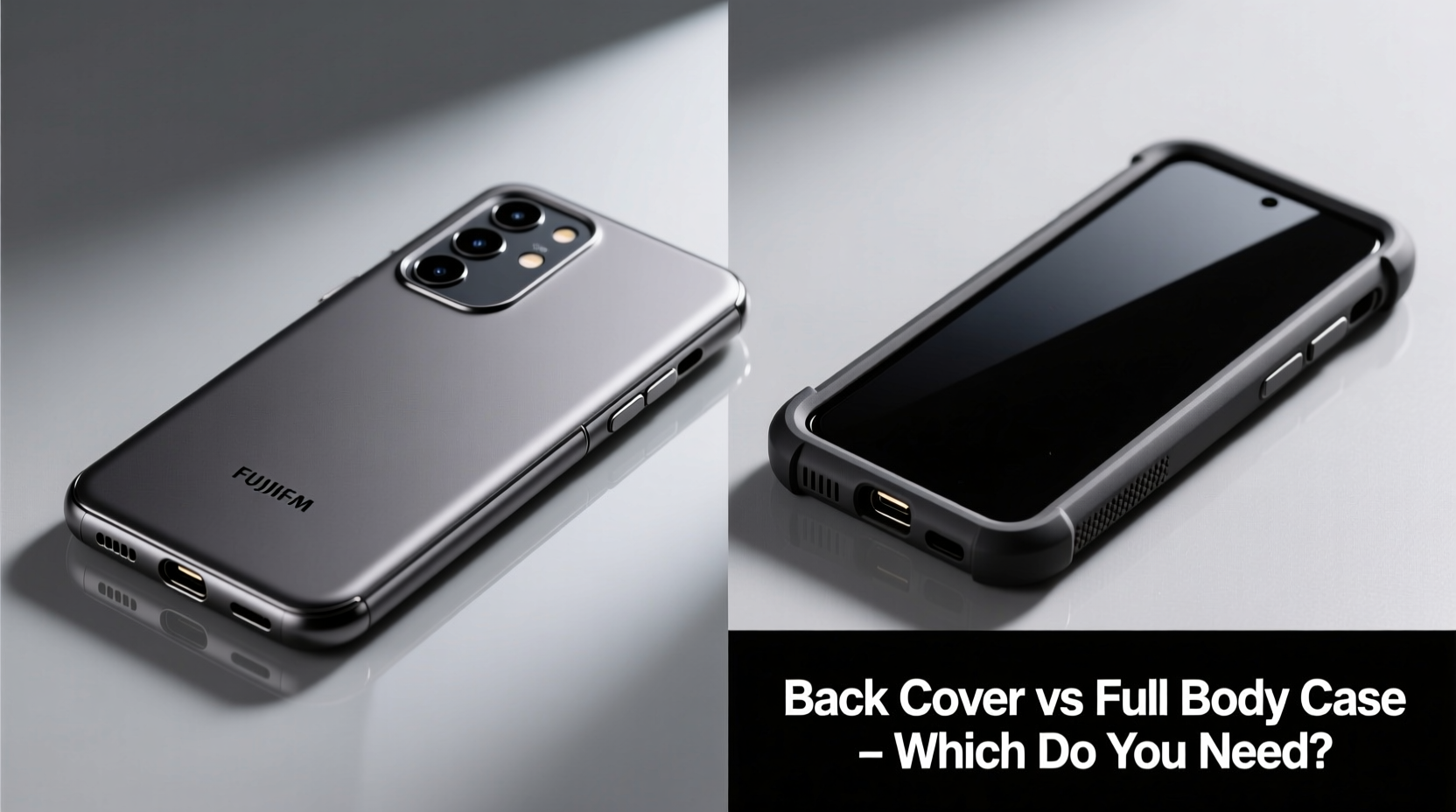
The Galaxy Z Flip's standout feature—its foldable AMOLED display—is also its greatest weakness. The ultra-thin glass used in the display is flexible but susceptible to scratches, dents, and creasing over time. Additionally, the hinge contains hundreds of tiny components that can be compromised by dust, lint, or impact.
Back covers only protect the rear panel, which is typically made of durable glass or polymer. While this helps prevent scuffs and minor drops from damaging the camera module, it leaves critical areas exposed:
- The outer display edges
- The hinge gap where debris collects
- The sides and corners prone to impact during falls
- The inner folding screen (though cases don't directly protect this)
A study conducted by SquareTrade in 2023 found that 68% of foldable phone damage originated from side or corner impacts—not direct back strikes. This suggests that partial coverage may leave devices inadequately defended against real-world accidents.
“With foldables, edge and corner protection matters more than ever. A back-only cover might save your camera, but won’t stop a cracked screen from a table drop.” — David Lin, Mobile Durability Analyst at TechShield Labs
Back Cover vs. Full Body Case: A Detailed Comparison
To make an informed decision, let’s compare the two primary case types based on key protection factors.
| Feature | Back Cover Only | Full Body Case |
|---|---|---|
| Edge Protection | None – metal/glass frame fully exposed | Fully wrapped bumper or raised lips shield edges |
| Hinge Coverage | No protection; vulnerable to dust and impact | Some models include hinge shields or reinforced caps |
| Dropping Resistance | Limited—corners hit first in most falls | Shock-absorbing materials reduce impact force |
| Screen Safety (Outer Display) | No raised bezel; screen can touch surfaces | Raised edges prevent direct contact with flat surfaces |
| Weight & Bulk | Minimal added thickness; maintains slim profile | Slightly thicker, but still pocket-friendly |
| Price Range | $15–$30 | $25–$60 (premium options offer better materials) |
The data shows a clear trade-off: back covers prioritize aesthetics and thinness, while full-body cases emphasize structural defense. For users who frequently place their phones face-down or experience accidental drops, full-body protection offers measurable risk reduction.
Real-World Scenario: How Protection Choices Play Out
Consider Sarah, a marketing professional in Chicago who commutes daily via subway. She purchased a Galaxy Z Flip 5 and opted for a minimalist back cover because she wanted to show off the device’s color-shifting finish. Two months later, after slipping the phone out of her coat pocket onto concrete, the left corner cracked near the hinge. The outer display was shattered, and sand had entered the hinge mechanism, causing resistance when folding.
Repair cost: $279 for screen replacement and hinge cleaning. Her carrier denied coverage due to “physical damage not caused by normal use.”
In contrast, her colleague James chose a Spigen Tough Armor case with full wraparound TPU edges and a built-in kickstand. Six months later, after dropping his phone on tile flooring multiple times, the case absorbed the shocks. Minor scuffing appeared on the case—but the phone remained fully functional.
This example illustrates that while back covers work fine in controlled environments, they fall short under unpredictable conditions. Real-life usage often involves pockets, bags, desks, and floors—all potential hazards.
When a Back Cover Might Be Enough
There are scenarios where a back cover provides adequate protection:
- You keep your phone in a dedicated pouch or inside a bag at all times
- You’re meticulous about placement and avoid laying it screen-down
- You live a low-mobility lifestyle (e.g., working from home with minimal movement)
- You pair the back cover with a tempered glass film on the outer display
Even then, consider adding a screen protector specifically designed for foldables. These add a layer of scratch resistance without affecting fold mechanics. However, remember that screen protectors cannot prevent impact fractures—only physical barriers like full-body cases can help mitigate those forces.
Step-by-Step Guide to Choosing the Right Case
- Assess Your Lifestyle: Do you travel often? Work in dynamic environments? If yes, lean toward full-body protection.
- Check Clearance Around Buttons and Ports: Poorly designed cases can muffle sound or make charging difficult.
- Look for Hinge Sealing Features: Some premium cases have micro-flaps or tighter tolerances to reduce debris entry.
- Test Kickstand Functionality: Ensure the case doesn’t interfere with the phone’s self-standing mode.
- Verify Compatibility with Wireless Charging: Thick cases may reduce charging efficiency unless explicitly rated for Qi2.
- Read User Reviews Focused on Drop Tests: Real-world feedback often reveals weaknesses not shown in product photos.
Frequently Asked Questions
Can I use any generic case on my Galaxy Z Flip?
No. Due to the unique folding mechanism and curved edges, only cases specifically designed for your Z Flip model (e.g., Flip 4, Flip 5, Flip 6) will fit correctly. Generic cases risk misalignment, poor button access, and inadequate screen clearance.
Do full-body cases affect the folding motion?
High-quality full-body cases are engineered to accommodate the hinge radius. They should not restrict movement. Avoid cheap silicone or rigid plastic models, which may bind or create pressure points over time.
Are there hybrid options between back covers and full cases?
Yes. Some brands offer “semi-full” cases with soft TPU sides fused to a hard polycarbonate back. These provide edge protection without excessive bulk and strike a balance between safety and style.
Final Recommendation: Prioritize Long-Term Value Over Minimalism
While a back cover preserves the Galaxy Z Flip’s elegant silhouette, it sacrifices meaningful protection. Given the high repair costs and sensitivity of foldable technology, investing in a well-designed full-body case is a prudent choice for most users.
Think of it as insurance: spending $35 on a protective case could save you $300 down the line. Modern full-body cases are slimmer and more refined than ever—many even enhance grip and include useful features like kickstands or card slots.
If showing off your phone’s design is important, reserve the back cover for special occasions or indoor use only. For everyday carry, opt for comprehensive coverage. Your future self—and your wallet—will thank you.




 浙公网安备
33010002000092号
浙公网安备
33010002000092号 浙B2-20120091-4
Comments
No comments yet. Why don't you start the discussion?