
The Samsung Galaxy Z Flip has redefined what a smartphone can be—foldable, compact, and undeniably stylish. As much as users love its sleek design, protecting it has always been a balancing act between safety and aesthetics. For years, full-coverage cases dominated the market, promising maximum protection. But recently, a quiet shift has taken place. More and more Galaxy Z Flip owners are trading bulky cases for slim, minimalist bumpers. What’s driving this change? It’s not just about looks—it’s about usability, practicality, and a growing desire to showcase the device itself.
The Rise of the Bumper Case Trend
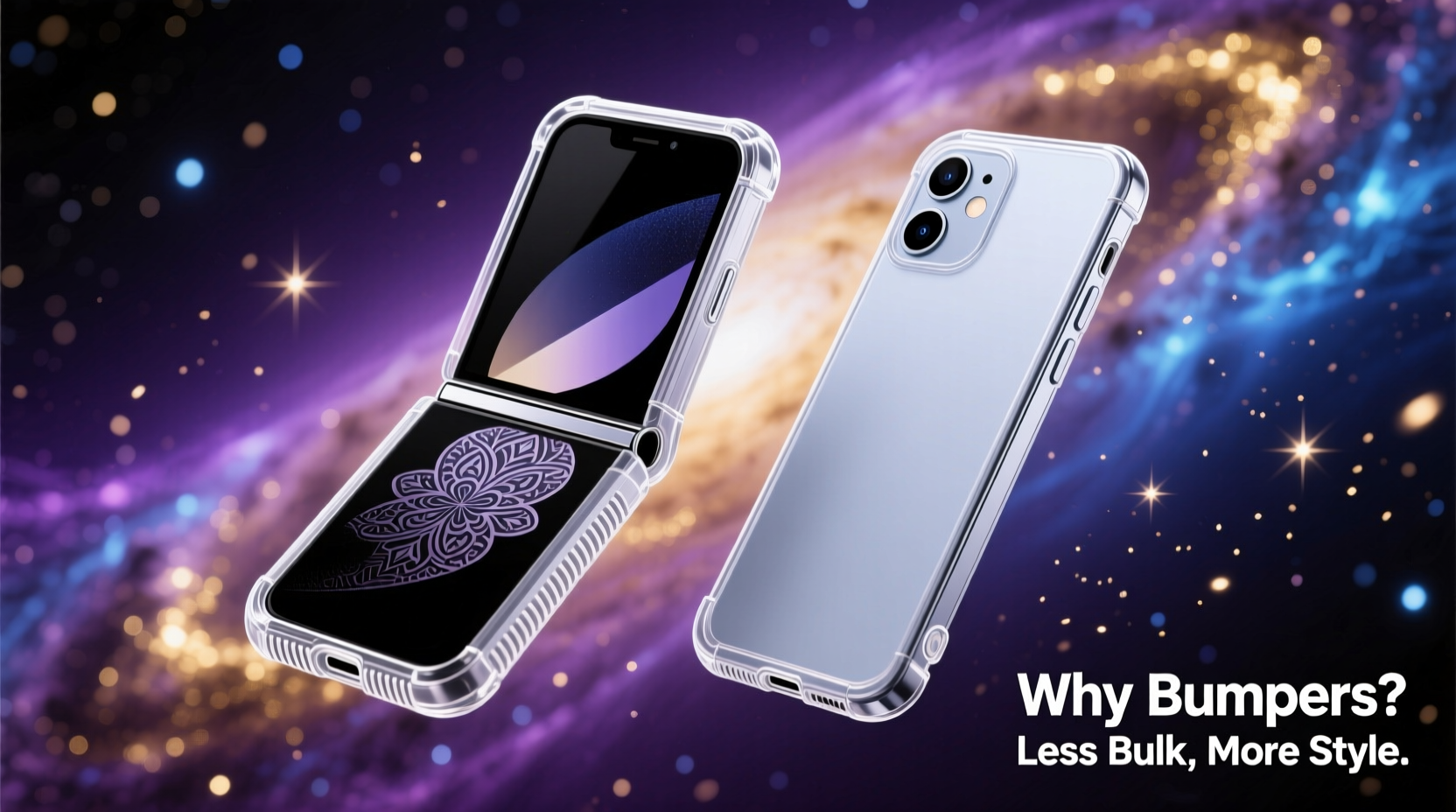
Bumper cases, once considered outdated in the era of rugged full-body enclosures, are making a strong comeback—especially among foldable phone users. Unlike traditional cases that wrap around the entire device, bumpers only cover the edges, leaving the back and screen exposed. At first glance, this might seem like a risky move. But for Z Flip owners, it's a calculated trade-off.
The appeal lies in preserving the phone’s original form. The Z Flip’s hinge mechanism and glossy glass back are central to its identity. Full cases often obscure these features, adding thickness and muting the visual impact. Bumpers, by contrast, provide targeted protection where it’s needed most: the vulnerable corners and sides. This allows users to maintain the device’s premium feel while still guarding against everyday drops and knocks.
Why Full Cases Are Losing Popularity
Full-coverage cases were once the gold standard for phone protection. They offer defense against scratches, drops, and even water exposure. However, on a device like the Galaxy Z Flip, they come with notable downsides:
- Added bulk: The Z Flip is praised for folding into a pocket-sized rectangle. A thick case undermines that convenience.
- Hinge interference: Poorly designed full cases can restrict the smooth opening and closing of the foldable screen.
- Heat retention: Enclosing the entire device can trap heat, potentially affecting battery performance and longevity.
- Aesthetic compromise: Many users bought the Z Flip for its fashion-forward design. Covering it entirely feels counterintuitive.
As user priorities shift from “maximum protection at all costs” to “smart protection without sacrificing design,” bumpers naturally emerge as the preferred middle ground.
Bumpers vs. Full Cases: A Practical Comparison
| Feature | Bumper Case | Full-Body Case |
|---|---|---|
| Protection Level | Moderate (edges and corners only) | High (full device coverage) |
| Thickness Added | Minimal (~1–2mm) | Significant (~3–5mm) |
| Impact on Foldability | Negligible | Potential hinge resistance |
| Design Visibility | High (back and finish visible) | Low (device mostly covered) |
| Dust & Debris Risk | Moderate (exposed crevice) | Lower (some include flaps or seals) |
| User Satisfaction (Anecdotal) | High among style-conscious users | Higher among accident-prone users |
Real-World Example: A Designer’s Choice
Take Sarah Kim, a graphic designer from Austin who uses her Galaxy Z Flip 5 daily for client calls, mood board sharing, and social media posting. She initially used a heavy-duty full case but found it clashed with her aesthetic-focused lifestyle. “I bought the Z Flip because it looked like jewelry,” she says. “Putting it in a black rubber case felt like wearing a diamond ring in a oven mitt.”
She switched to a titanium alloy bumper after reading reviews about its drop resistance and sleek profile. “I’ve dropped it twice—once on tile, once on pavement. The bumper took the hit, the screen stayed intact, and I didn’t have to explain why my phone looked like a tank.” Her experience reflects a broader sentiment: many users are willing to accept slightly higher risk for significantly better design integration.
“People don’t buy foldables to hide them. They buy them to show them off. Protection should enhance, not erase, that experience.” — Marcus Lin, Mobile Accessory Designer at TechForm Labs
How to Choose the Right Bumper for Your Z Flip
Not all bumpers are created equal. Given that your phone’s back and screen remain exposed, material quality and precision engineering matter more than ever. Here’s a checklist to help you pick wisely:
- ✅ Made from shock-absorbent materials (e.g., TPU, silicone, or reinforced polycarbonate)
- ✅ Precisely cut for your Z Flip model (Gen 3, 4, 5, etc.)
- ✅ Raised edges to protect the screen when placed face-down
- ✅ Non-slip texture or grip enhancement
- ✅ Compatible with wireless charging (no need to remove)
- ✅ Includes internal microfiber lining to prevent micro-scratches
Step-by-Step: Transitioning from Full Case to Bumper
If you’re considering making the switch, follow this timeline to minimize risk while adapting to the new setup:
- Week 1: Dual Protection Test
Keep your full case but also buy a bumper. Alternate usage to compare comfort, pocket fit, and confidence level. - Week 2: Add Screen Defense
Install a certified foldable-compatible screen protector. This compensates for the lack of front coverage. - Week 3: Daily Use Trial
Use only the bumper during regular activities—commuting, texting, taking photos. Note any near-misses or concerns. - Week 4: Evaluate and Commit
Ask yourself: Do you feel more connected to your device? Has protection been sufficient? Decide whether to keep the bumper long-term.
This gradual approach reduces anxiety and helps build trust in the bumper’s effectiveness.
Frequently Asked Questions
Can a bumper really protect a foldable phone?
Yes—but selectively. Bumpers excel at absorbing impact from corner and side drops, which account for over 70% of common phone accidents. While they don’t guard against direct back or front impacts, pairing a bumper with a good screen protector offers balanced defense for most real-world scenarios.
Won’t dust get into the hinge without a full case?
Potentially, yes. However, Samsung designs the Z Flip with built-in dust resistance (IPX8 rating on newer models). Regular cleaning with a dry microfiber cloth and avoiding sandy or dusty environments minimizes risk. Bumpers don’t introduce new vulnerabilities—they simply don’t add extra sealing.
Are bumpers cheaper than full cases?
Generally, yes. Due to less material and simpler design, bumpers often cost 20–40% less than premium full cases. However, high-end metal or designer bumpers can exceed the price of basic models.
Conclusion: Less Case, More Phone
The move from full cases to bumpers isn’t just a passing fad—it’s a reflection of evolving user values. Today’s smartphone owners, especially those with premium devices like the Galaxy Z Flip, want protection that respects design, enhances portability, and stays out of the way. Bumpers deliver exactly that: intelligent, minimal intervention where it counts.
As foldable technology matures, so too will accessory design. For now, the bumper represents a smart compromise—one that honors both the engineering and the elegance of the Z Flip. Whether you're drawn to its slim profile, tactile feedback, or sheer aesthetic harmony, switching to a bumper might be the upgrade your phone experience needs.




 浙公网安备
33010002000092号
浙公网安备
33010002000092号 浙B2-20120091-4
Comments
No comments yet. Why don't you start the discussion?