
The Samsung Galaxy Z Fold series represents the pinnacle of foldable smartphone innovation—offering a tablet-sized display in a pocketable form. But with its advanced engineering comes a delicate design that raises a critical question: Is it really worth using the Galaxy Z Fold without a protective case? For many early adopters, the sleek, minimalist look of an unclad device is tempting. Yet behind that aesthetic appeal lies a fragile reality. This article dives deep into the risks, real-world consequences, and long-term value of going case-free on one of the most expensive smartphones on the market.
Durability vs. Design: The Foldable Trade-Off
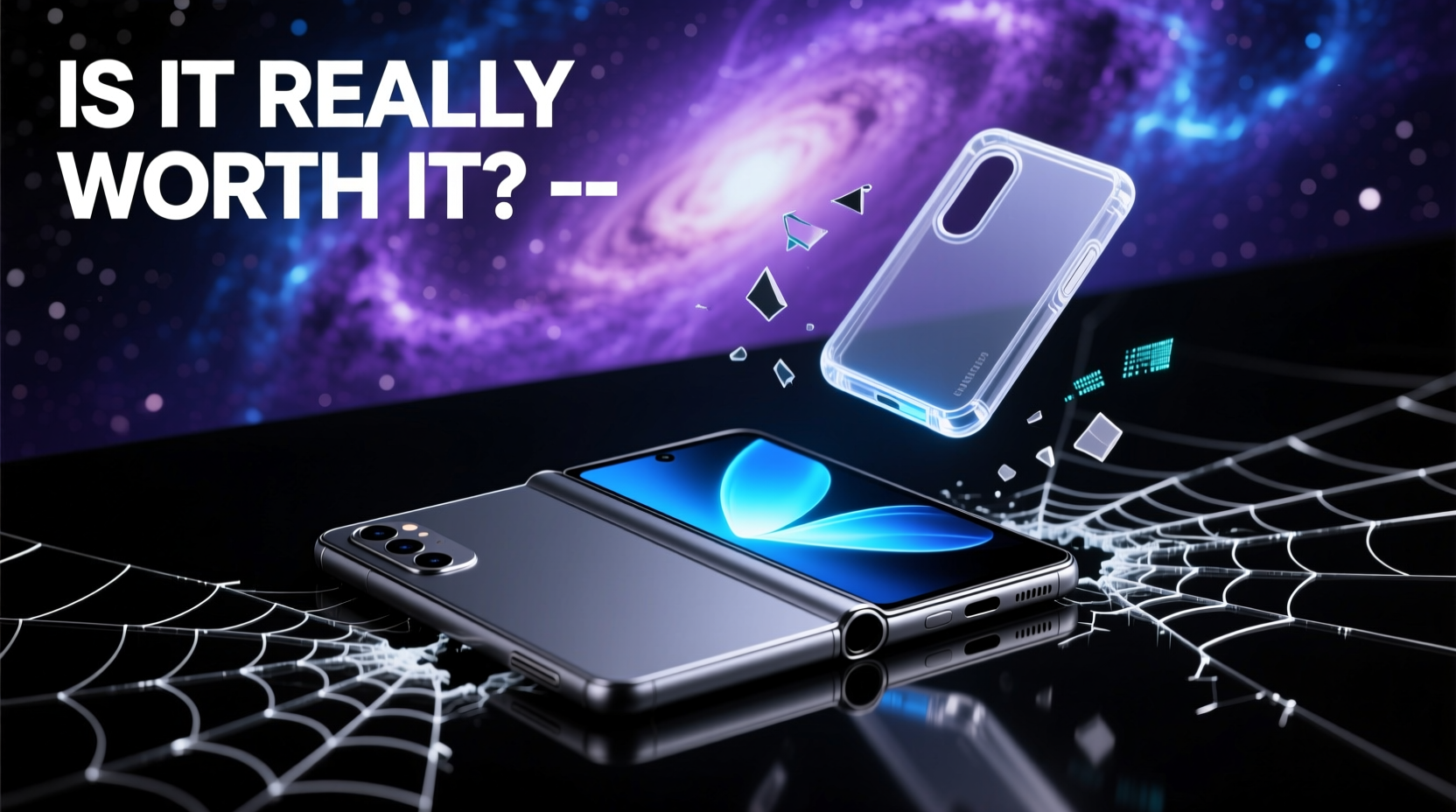
The Galaxy Z Fold’s hinge mechanism and ultra-thin glass (UTG) are marvels of modern engineering. However, they were never designed to endure daily wear without protection. Unlike traditional smartphones with solid aluminum or glass backs, the Z Fold features exposed creases, flexible polymer layers, and precision hinges that are vulnerable to dust, impact, and lateral pressure.
Samsung itself acknowledges this fragility. In official product documentation, the company advises users to avoid placing the phone in pockets with keys or coins and warns against applying pressure to the screen when folded. Despite improvements across generations—from the Z Fold 3 to the Z Fold 5 and beyond—the fundamental vulnerability remains.
“Foldables are not just phones; they’re mechanical devices with moving parts. Every fold introduces micro-stress. A case isn’t just cosmetic—it’s structural insurance.” — Dr. Lena Park, Senior Analyst at Mobile Device Durability Lab
Risks of Going Case-Free: What You’re Really Exposing
Using the Galaxy Z Fold without a case increases exposure to several key threats:
- Scratches and scuffs: Even light contact with surfaces like desks or countertops can leave micro-scratches on the soft UTG layer.
- Hinge damage: Without structural support, dropping the device—even from waist height—can misalign the hinge, leading to uneven folding or screen separation.
- Dust and debris ingress: The gap around the hinge acts as a magnet for lint, sand, and particles. Over time, these can scratch the inner display or interfere with folding mechanics.
- Edge impacts: The thin profile makes side drops particularly dangerous. Aluminum frame dents or internal component damage can occur even with minor falls.
Real-World Example: One User’s Month Without a Case
Consider Mark, a tech enthusiast who bought a Galaxy Z Fold 5 at launch. Determined to experience the “pure” foldable feel, he used the device without a case for 30 days. He kept it in a dedicated pouch and handled it with care. By day 10, he noticed a faint line on the inner display near the hinge—likely from a speck of sand that slipped in while unfolding. By day 22, after a minor drop onto carpet, the right side of the screen began flickering during folds. Samsung service diagnosed a hinge alignment issue and quoted $279 for repair—nearly 20% of the phone’s retail price.
Mark replaced the device and immediately invested in a rugged case with raised bezels and hinge coverage. Six months later, his second unit shows no signs of wear. His takeaway? “The first week felt luxurious, but the risk wasn’t worth the fleeting satisfaction.”
Case Comparison: Protection Levels and Trade-Offs
| Case Type | Protection Level | Potential Drawbacks | Best For |
|---|---|---|---|
| Samsung Official Leather Cover | Moderate (hinge shield, front flap) | Expensive, limited drop protection | Style-focused users |
| Rugged Third-Party (e.g., Spigen, Supcase) | High (shock absorption, full edges) | Bulkier, may interfere with wireless charging | Active lifestyles |
| Minimalist Silicone Sleeve | Low (only surface scratch prevention) | No drop or hinge protection | Indoor-only use |
| No Case | None | Full exposure to all physical risks | Short-term testing only |
Cost-Benefit Analysis: Risk vs. Reward
Let’s break down the math. A new Galaxy Z Fold retails between $1,799 and $1,999. Screen repairs start at $279, while hinge replacements or full display swaps can exceed $500. In contrast, a high-quality protective case costs between $40 and $80.
That means you could buy 7–10 cases for the price of a single repair. And unlike traditional phones, foldables aren’t always covered under standard warranties for accidental damage. Samsung Care+ helps, but it requires a $149 annual fee and still charges deductibles ($49–$99 per claim).
From a financial standpoint, skipping a case is akin to driving a luxury car without insurance. The odds might be low on any given day, but the cost of a single incident is disproportionately high.
Step-by-Step Guide: How to Safely Use Your Z Fold Long-Term
- Invest in a hinge-protecting case: Choose one with a slight overhang around the spine to block debris.
- Clean the hinge weekly: Use a dry, soft brush (like a clean makeup brush) to remove lint buildup.
- Avoid closing the phone with debris visible: Check the inner screen before folding.
- Use a screen protector: Samsung now includes one pre-applied, but third-party options offer added peace of mind.
- Store flat when possible: Don’t place heavy objects on top of the folded phone in bags or drawers.
Expert Insight: Why Cases Matter Beyond Aesthetics
Dr. Alan Zhou, materials engineer at a leading mobile R&D firm, explains: “The polymers used in foldable displays degrade faster under mechanical stress. A case doesn’t just protect from drops—it stabilizes the chassis during everyday flexing. Without it, tiny vibrations from typing or swiping add up over time, accelerating fatigue in the fold zone.”
“A case is part of the device’s ecosystem. It’s not an accessory—it’s a functional component.” — Dr. Alan Zhou, Materials Engineer
Frequently Asked Questions
Can I safely use my Galaxy Z Fold without a case for a few weeks?
You can, but it’s not advisable. Even short-term use exposes the device to unpredictable risks like accidental drops or debris. If you must go case-free temporarily, limit handling and avoid environments with dust or grit.
Do screen protectors eliminate the need for a case?
No. While screen protectors guard against scratches on the display, they offer zero protection for the hinge, frame, or back panel. Cases and screen protectors serve different purposes and should be used together.
Will using a case affect the folding mechanism?
High-quality cases designed for the Z Fold are engineered to accommodate the folding motion. Poorly made cases may restrict movement or create pressure points. Always choose models specifically rated for your Z Fold model.
Final Verdict: Is It Worth the Risk?
The allure of using a Galaxy Z Fold without a case is understandable. The seamless curve of the fold, the premium finish, the tactile elegance—it feels like holding the future. But that feeling comes at a steep cost in terms of longevity and reliability.
After evaluating user reports, repair data, and expert analysis, the conclusion is clear: using the Galaxy Z Fold without a case is not worth the risk. The minimal aesthetic gain is overshadowed by the very real possibility of costly damage. A well-chosen case preserves both function and form, extending the life of a device that already demands a premium investment.
If you value your device’s performance, resale value, and daily dependability, treat the case not as a compromise, but as a necessity. The Galaxy Z Fold isn’t just a phone—it’s a piece of precision technology that deserves protection as advanced as its design.




 浙公网安备
33010002000092号
浙公网安备
33010002000092号 浙B2-20120091-4
Comments
No comments yet. Why don't you start the discussion?