
The gallbladder is a small, pear-shaped organ located beneath the liver that stores bile—a digestive fluid produced by the liver to break down fats. While not essential for survival, problems with the gallbladder can cause significant discomfort and health complications. When conservative treatments fail, surgical removal—known as cholecystectomy—often becomes necessary. Understanding why this procedure is performed and what recovery entails can ease anxiety and help patients prepare effectively.
Why Gallbladder Removal Is Needed
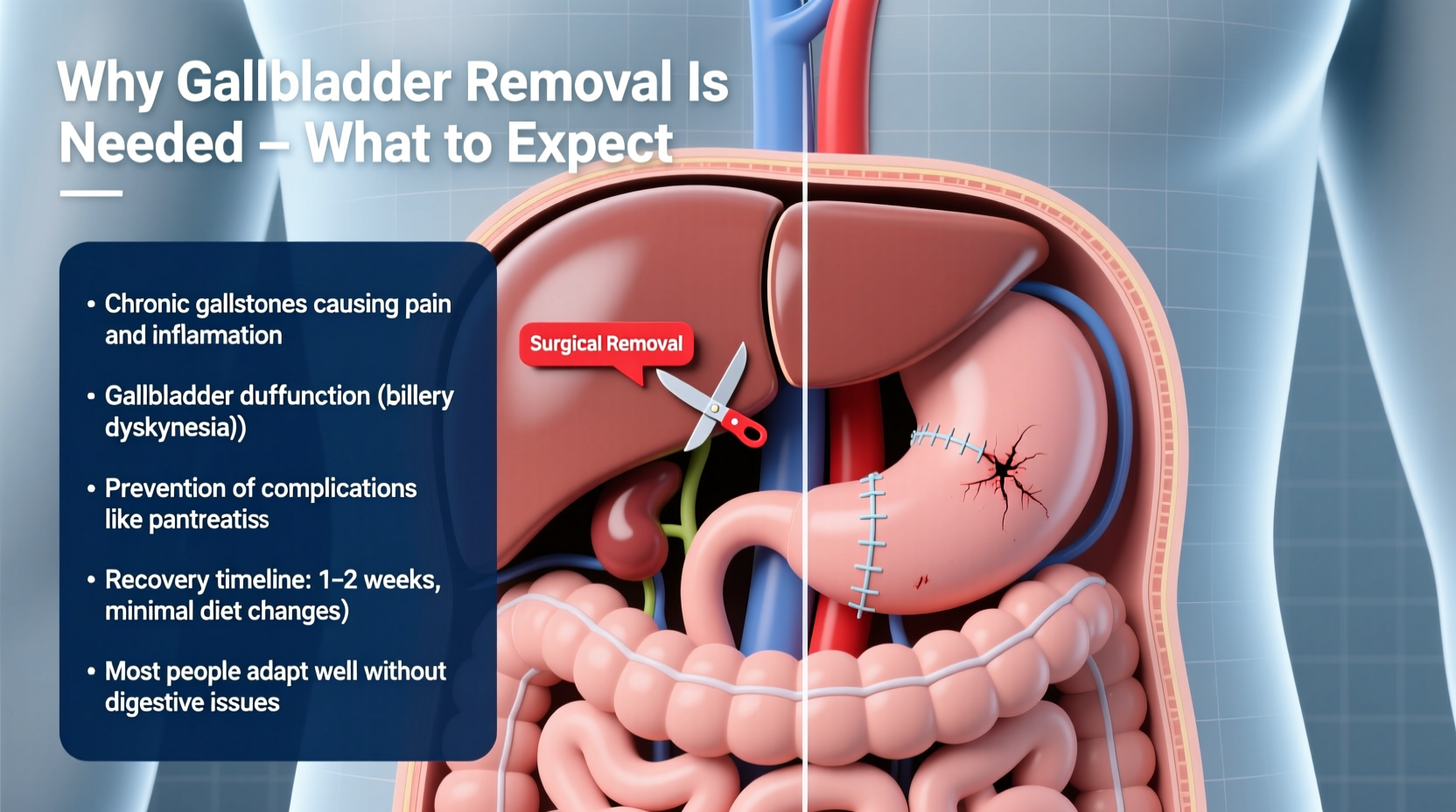
Gallbladder removal is typically recommended when the organ develops conditions that impair its function or cause pain. The most common reason is the presence of gallstones—hardened deposits of digestive fluid that form in the gallbladder. These stones can block bile ducts, leading to inflammation, infection, or damage to the gallbladder itself.
Other conditions that may necessitate removal include:
- Cholecystitis: Inflammation of the gallbladder, often due to trapped gallstones.
- Biliary colic: Recurrent abdominal pain caused by temporary blockage of bile flow.
- Pancreatitis: Inflammation of the pancreas triggered by gallstones migrating into the pancreatic duct.
- Acalculous gallbladder disease: Gallbladder dysfunction without stones, usually seen in critically ill patients.
- Gallbladder polyps or cancer: Though rare, suspicious growths may require preventive removal.
When symptoms like severe upper-right abdominal pain, nausea, vomiting, bloating, or jaundice persist, doctors often recommend imaging tests such as ultrasound or HIDA scans. If these confirm gallbladder disease, surgery is frequently the best long-term solution.
“Once symptomatic gallstones are diagnosed, the likelihood of future complications increases significantly. Early intervention prevents emergencies like acute cholangitis or gallstone ileus.” — Dr. Rebecca Langston, Gastrointestinal Surgeon
Types of Gallbladder Surgery
There are two primary methods for removing the gallbladder: laparoscopic and open cholecystectomy. The choice depends on the patient’s condition, anatomy, and surgical risk factors.
| Feature | Laparoscopic Cholecystectomy | Open Cholecystectomy |
|---|---|---|
| Incision Size | Four small incisions (0.5–1 cm) | One large incision (5–8 inches) |
| Hospital Stay | Same day or overnight | 2–4 days |
| Recovery Time | 1–2 weeks | 6–8 weeks |
| Risks | Lower infection risk, less scarring | Higher complication rate, longer healing |
| Use Case | Most routine cases | Severe inflammation, scarring, or complications |
Laparoscopic surgery is minimally invasive and accounts for over 90% of procedures. It involves inserting a camera and surgical tools through small abdominal ports, allowing the surgeon to view and remove the gallbladder on a monitor. Open surgery is reserved for complex cases where visibility or access is limited.
What to Expect Before Surgery
Preparation begins with a preoperative assessment, including blood work, ECG, and discussion of medications. Patients are typically instructed to stop eating and drinking after midnight the night before surgery. Blood thinners, diabetes medications, and certain supplements may need adjustment under medical supervision.
During the consultation, surgeons review risks such as bile duct injury, bleeding, infection, or retained stones. While complications are rare (occurring in less than 5% of cases), informed consent ensures patients understand potential outcomes.
Surgical Timeline: Step-by-Step
- Anesthesia Administration: General anesthesia is given intravenously; you’ll be asleep throughout.
- Incision and Access: For laparoscopy, four small cuts are made near the navel and upper abdomen.
- Insufflation: The abdomen is inflated with carbon dioxide to create space for surgical instruments.
- Gallbladder Detachment: The cystic duct and artery are clipped and cut; the gallbladder is separated from the liver bed.
- Removal: The organ is extracted through one of the port sites, often placed in a bag to prevent spillage.
- Closure: Incisions are sutured or stapled and covered with dressings.
The entire procedure takes about 60 minutes, though duration varies based on complexity.
Recovery and Life After Surgery
After surgery, patients wake in a recovery room and are monitored for vital signs and nausea. Most laparoscopic patients go home the same day. Pain is generally mild and managed with acetaminophen or prescribed medication. Shoulder pain—caused by residual gas irritating the diaphragm—is common but resolves within 48 hours.
Dietary adjustments are crucial in the first few weeks. Since bile now flows directly into the intestine, high-fat meals may cause diarrhea, cramping, or bloating. Gradually reintroducing fats helps the digestive system adapt.
Long-Term Digestive Changes
Over 90% of patients adapt well within a few months. However, some experience ongoing issues like:
- Frequent loose stools (bile acid malabsorption)
- Gas and indigestion after fatty meals
- Occasional abdominal discomfort
These can often be managed with dietary changes or medications like bile acid binders (e.g., cholestyramine). A registered dietitian can help design a balanced, symptom-friendly meal plan.
Real-Life Experience: A Patient’s Journey
Sarah, a 47-year-old teacher, began experiencing sharp pain in her upper right abdomen after meals. Ultrasound revealed multiple gallstones and a thickened gallbladder wall. Her surgeon recommended laparoscopic removal.
“I was nervous about surgery, but the team walked me through every step,” she said. “I was back to light duties in five days and teaching full-time in two weeks. I avoid fried foods now, but otherwise, my energy and digestion have improved dramatically.”
Sarah’s case illustrates how timely intervention can resolve chronic discomfort and restore quality of life.
Post-Surgery Checklist
To ensure smooth recovery, follow this actionable checklist:
- ✔️ Attend all follow-up appointments with your surgeon
- ✔️ Walk daily to prevent blood clots and aid digestion
- ✔️ Avoid heavy lifting (>10 lbs) for at least two weeks
- ✔️ Gradually resume normal diet, starting with bland, low-fat foods
- ✔️ Monitor incision sites for redness, swelling, or discharge
- ✔️ Contact your doctor if you develop fever, persistent vomiting, or jaundice
Frequently Asked Questions
Will I digest food normally without a gallbladder?
Yes. Bile flows continuously from the liver into the small intestine. While fat digestion may be less efficient initially, most people adapt fully over time.
Can gallstones come back after surgery?
No, because the gallbladder—the site of stone formation—is removed. However, stones can rarely form in the bile ducts afterward and may require additional treatment.
How soon can I return to work?
For desk jobs, most patients return within 1–2 weeks after laparoscopic surgery. Those with physically demanding roles may need 4–6 weeks, especially after open surgery.
Conclusion: Taking Control of Your Health
Gallbladder removal is a safe, effective solution for chronic gallbladder disease. With proper preparation and postoperative care, most patients experience rapid recovery and lasting relief from painful symptoms. Understanding the reasons behind the surgery and knowing what to expect empowers individuals to make informed decisions and embrace a healthier future.




 浙公网安备
33010002000092号
浙公网安备
33010002000092号 浙B2-20120091-4
Comments
No comments yet. Why don't you start the discussion?