
At first glance, a gaming chair can look like an overpriced office chair with flashy colors and racing-style design. Yet, many top models retail for $300 to over $600—sometimes rivaling the cost of mid-tier gaming PCs. So why are gaming chairs so expensive? The answer isn’t just about aesthetics or branding. It lies in materials, engineering, ergonomic research, and targeted marketing aimed at a passionate, performance-driven audience.
Understanding the true value—and sometimes, the inflated cost—of gaming chairs helps consumers make informed decisions. This breakdown explores the technical, economic, and psychological factors that drive up prices, separates necessity from luxury, and offers guidance on where you're getting your money’s worth.
The Engineering Behind Premium Comfort
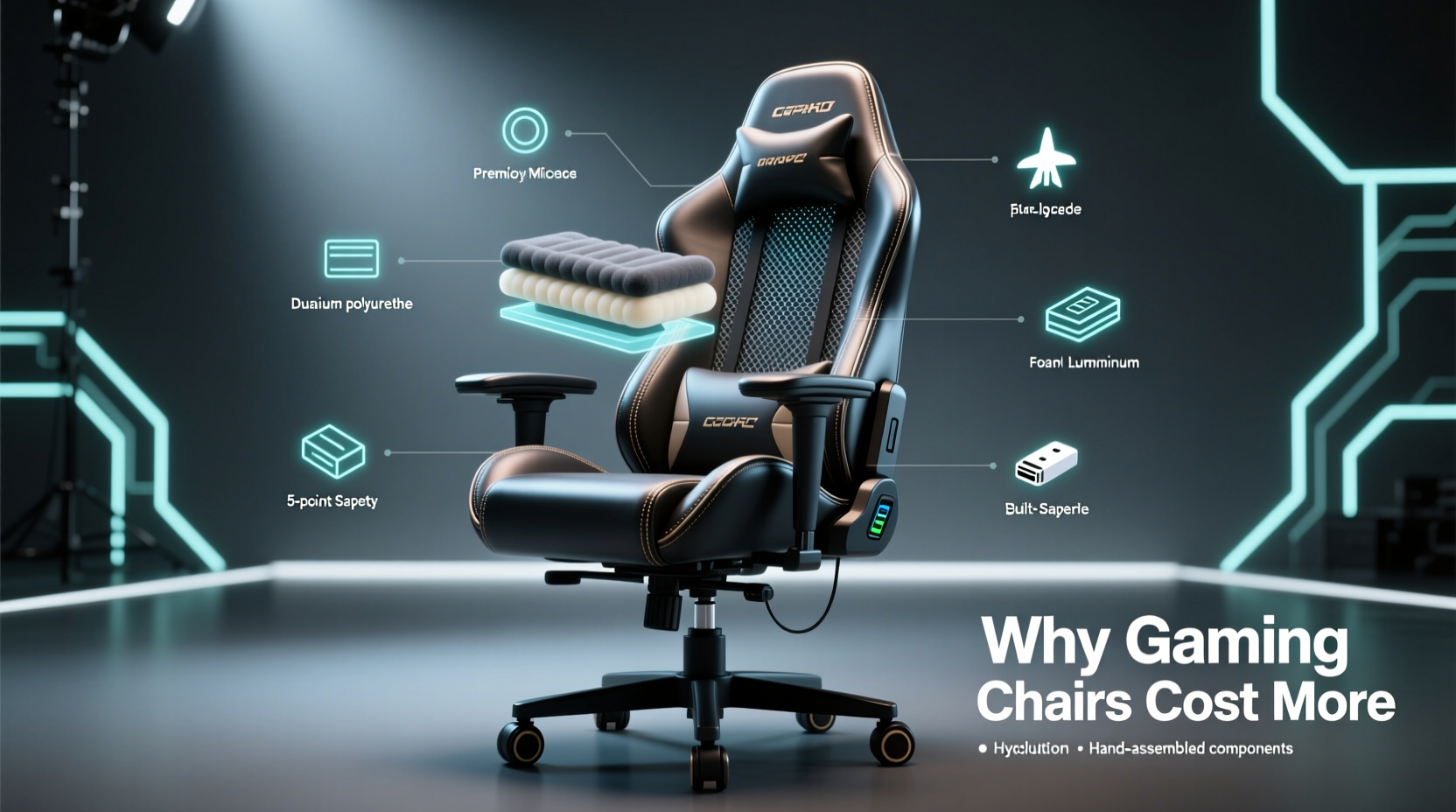
Gaming chairs aren't designed for occasional use. They’re built for extended sitting sessions—often eight hours or more—common among streamers, competitive gamers, and remote workers. To support this, manufacturers invest heavily in biomechanical design.
High-end models feature multi-layer foam padding, contoured lumbar support systems, and adjustable components such as armrests (4D or 3D), reclining mechanisms (up to 180°), and neck pillows. These elements require precision engineering and durable materials to ensure longevity under repeated stress.
For example, cold-cure molded foam is frequently used in premium seats because it maintains shape and firmness longer than standard foam. The steel frames inside these chairs must withstand constant reclining and weight shifts, often rated for users up to 300 pounds. Reinforced bases made from heavy-duty nylon or aluminum alloy further increase durability but also production costs.
“Ergonomic design in gaming chairs has evolved beyond style—it's now rooted in spinal health research. The best models mimic medical-grade seating principles.” — Dr. Alan Reyes, Biomechanics Researcher at Human Performance Lab
Materials That Drive Up Costs
The choice of materials significantly impacts both comfort and price. Entry-level chairs may use PU leather, which peels over time and lacks breathability. In contrast, premium brands utilize bonded leather, genuine leather, or high-end synthetic fabrics like Rayon or Microfiber, which offer better texture, ventilation, and resistance to wear.
Consider this comparison:
| Material Type | Durability (Years) | Breathability | Average Cost Impact |
|---|---|---|---|
| PU Leather | 1–2 | Poor | $ |
| Bonded Leather | 3–4 | Moderate | $$ |
| Genuine Leather | 5+ | Good | $$$ |
| Mesh Fabric (High-end) | 5+ | Excellent | $$$ |
Mesh-backed chairs, while less common in traditional “gamer” designs, command higher prices due to advanced weaving techniques that balance airflow with structural integrity. These materials alone can add $100–$200 to manufacturing costs compared to basic vinyl alternatives.
Brand Markup and Marketing Overhead
One of the most significant contributors to high pricing is brand positioning. Companies like Secretlab, Razer, and DXRacer have cultivated strong identities within the gaming community through sponsorships, esports partnerships, and influencer collaborations.
These marketing efforts aren’t cheap. A single sponsorship deal with a popular streamer can cost tens of thousands per month. Such expenses are passed directly to consumers. Limited edition collaborations—like a chair themed after a popular game franchise—can carry markups of 30–50% despite minimal changes in build quality.
Additionally, some brands position themselves as lifestyle products rather than functional furniture. Packaging, unboxing experience, custom stitching, and RGB lighting all contribute to perceived exclusivity, even if they don’t enhance core functionality.
What You’re Really Paying For: A Checklist
Not all expensive gaming chairs deliver equal value. Use this checklist to evaluate whether a high price tag is justified:
- Ergonomic Certification: Does the chair meet ISO or BIFMA standards?
- Adjustability: Can armrests, seat depth, backrest angle, and lumbar support be customized?
- Warranty: Is there a minimum 2-year warranty covering frame, mechanism, and upholstery?
- Frame Material: Steel-reinforced or aluminum base preferred over plastic.
- Foam Density: Look for ≥50 kg/m³ cold-cure foam for lasting support.
- Real User Reviews: Check independent forums (e.g., Reddit, PCMR) for long-term feedback.
Mini Case Study: The $500 Chair Dilemma
Jessica, a full-time Twitch streamer, upgraded from a $120 AmazonBasics chair to a $499 limited-edition model co-branded with her favorite game studio. Initially thrilled by the sleek design and included accessories (magnetic lumbar pillow, embroidered logo), she began experiencing discomfort after six months.
Despite the premium price, the lumbar support lacked adjustability, and the PU-leather exterior started cracking near the seams. After researching alternatives, she switched to a $280 mesh ergonomic chair from a non-gaming brand. Within weeks, her lower back pain decreased significantly.
Her takeaway: “I paid for the logo and the hype, not the ergonomics. Next time, I’ll prioritize function over fandom.”
Are There Affordable Alternatives?
Absolutely. Many consumers overlook hybrid options—such as high-end office chairs rebranded for gaming use or direct-to-consumer ergonomic models designed specifically for desk-bound professionals who also game.
Brands like Herman Miller, Autonomous, and Steelcase produce chairs with superior lumbar support, breathable materials, and proven long-term comfort—all while avoiding neon colors and winged headrests. Some models, like the Autonomous ErgoChair Pro or the Herman Miller Sayl, fall into the same price range as premium gaming chairs but offer better posture alignment and cooling features.
The key difference? They lack aggressive marketing campaigns targeting gamers, so they don’t carry the same emotional appeal—or the added cost of influencer deals.
FAQ
Do expensive gaming chairs last longer?
Not always. Longevity depends more on material quality and usage than price alone. A well-made $250 chair with high-density foam and metal framing can outlast a poorly constructed $500 branded model. Always check warranty terms and user reviews before assuming higher cost equals longer life.
Is a gaming chair better than an office chair?
It depends on your needs. Gaming chairs often emphasize style and recline features, while ergonomic office chairs focus on posture support and adjustability. For all-day comfort and spinal health, many office chairs provide superior ergonomics. However, if you value reclining for media consumption or immersive gameplay, a high-quality gaming chair might suit you better.
Can I find good gaming chairs under $200?
Yes, though compromises exist. Models under $200 typically use thinner padding, plastic bases, and lower-grade upholstery. However, brands like Clutch Chairz, Homall, and OFM offer surprisingly sturdy options with decent adjustability. Prioritize reinforced bases, thick padding, and removable lumbar support when shopping in this range.
Conclusion: Smart Spending Starts With Awareness
The high cost of gaming chairs stems from a mix of legitimate engineering investment and strategic branding. While some premium models justify their price with superior materials, adjustability, and long-term comfort, others rely heavily on aesthetics and influencer culture to command top dollar.
Before spending hundreds on a chair with glowing logos and a famous gamer’s signature, ask yourself: Am I buying performance—or perception? Focus on measurable features like foam density, frame strength, and adjustability rather than color schemes or limited-edition badges.




 浙公网安备
33010002000092号
浙公网安备
33010002000092号 浙B2-20120091-4
Comments
No comments yet. Why don't you start the discussion?