
Pearl imitation chain straps are a popular design element in modern fashion jewelry, handbags, and evening clutches. Their elegant appearance mimics the luster of real pearls while being more affordable and accessible. However, these delicate components require careful maintenance. Unlike solid metal or synthetic fabrics, imitation pearls—often made from glass, resin, or plastic coated with a pearlescent finish—are vulnerable to moisture, chemicals, and abrasion. Cleaning them improperly can lead to discoloration, chipping, or detachment from the chain backing. The good news is that with the right approach, you can keep these straps looking radiant for years without risking structural or aesthetic damage.
Understanding Imitation Pearl Materials and Risks
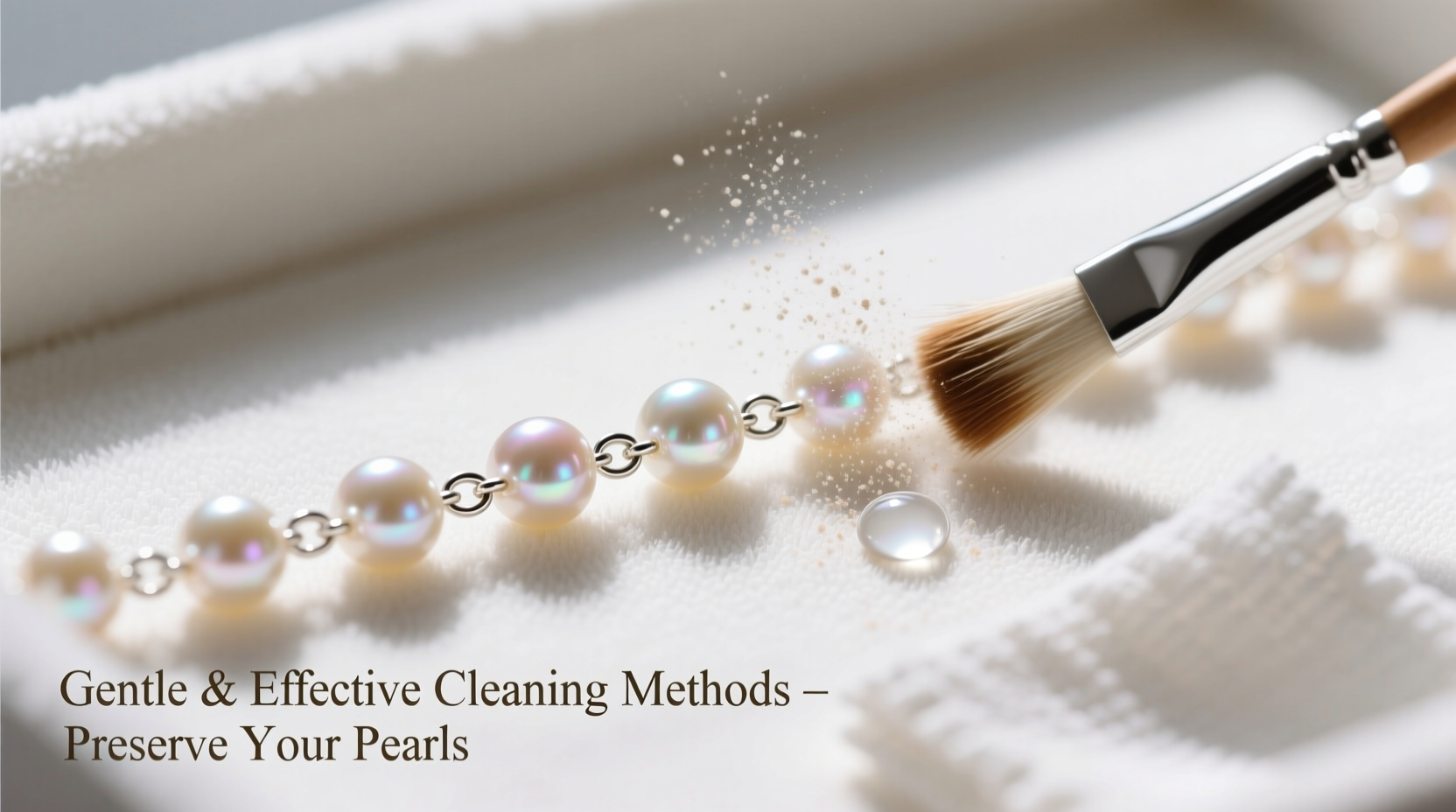
Imitation pearls vary significantly in quality and composition. Lower-end versions may use plastic beads dipped in a reflective lacquer, while higher-quality alternatives incorporate glass cores layered with multiple coatings to simulate depth and shine. The chain portion is typically made of plated metal—such as brass or alloy—with links that may tarnish over time if exposed to moisture or skin oils.
The primary risks when cleaning imitation pearl chain straps include:
- Chemical damage: Alcohol, ammonia, acetone, and even some soaps can dissolve the outer coating, leaving beads dull or patchy.
- Water exposure: Prolonged soaking can loosen adhesive between the pearl and its cap, leading to separation.
- Mechanical stress: Scrubbing or using abrasive cloths can scratch the surface or bend delicate chain links.
Because of these sensitivities, standard jewelry cleaning methods—like ultrasonic cleaners or commercial dips—are not suitable. A tailored, low-impact strategy is essential.
“Many people assume imitation pearls are indestructible because they’re not natural, but in reality, their finishes are often more fragile than real pearls.” — Lila Nguyen, Jewelry Preservation Specialist at Heritage Accessories Conservatory
Step-by-Step Guide: Safe Cleaning Process
Cleaning imitation pearl chain straps should be done infrequently—only when visible dirt, oil residue, or cloudiness appears. Over-cleaning increases wear. When needed, follow this gentle six-step method:
- Inspect the strap: Check for loose beads, frayed threads, or weakened clasps. If structural issues exist, avoid cleaning until repairs are made.
- Gather supplies: Use distilled water, a soft microfiber cloth, mild liquid soap (baby shampoo works well), cotton swabs, and a dry towel.
- Dampen—not soak—the cloth: Moisten a corner of the microfiber with a mixture of one part baby shampoo and ten parts distilled water. Wring thoroughly so the fabric is barely damp.
- Wipe each bead gently: Hold the strap firmly and wipe each pearl in one direction, using minimal pressure. Do not rub back and forth.
- Clean the chain links: Use a cotton swab lightly dampened with the same solution to reach between links. Avoid pooling liquid near where beads attach.
- Air-dry flat: Lay the strap on a dry towel away from direct sunlight or heat sources. Allow 4–6 hours to fully dry before handling or storing.
Do’s and Don’ts: Best Practices Summary
| Do’s | Don’ts |
|---|---|
| Use a soft, lint-free cloth for wiping | Use paper towels or rough fabrics |
| Clean every 3–6 months or as needed | Clean weekly or after every wear |
| Store flat in a padded jewelry box | Hang the item, which can stretch the chain |
| Apply perfume or lotion before wearing | Spray directly onto the strap |
| Check clasps and connectors monthly | Ignore signs of wear like wobbling beads |
Real Example: Preserving a Heirloom Clutch Strap
Sophia, a vintage accessories collector in Portland, inherited a 1970s beaded clutch with a deteriorating pearl imitation chain strap. The beads had turned yellow, and the chain was tarnished. She initially considered replacing it entirely, but after consulting a conservator, she opted for cautious restoration. Using distilled water and a microfiber cloth, she cleaned each bead individually over two evenings, allowing full drying between sessions. For the metal chain, she used a jewelry polishing cloth designed for plated surfaces—never applying liquid directly. After cleaning, she stored the clutch in a breathable cotton pouch inside a drawer. Two years later, the strap remains intact and visually appealing, proving that patient, precise care can revive even aged pieces.
Essential Care Checklist
To maintain your pearl imitation chain straps effectively, follow this actionable checklist:
- ☐ Inspect the strap monthly for loose beads or corrosion
- ☐ Clean only when visibly soiled or dull
- ☐ Use only non-abrasive, chemical-free cleaning materials
- ☐ Always dry completely before storage
- ☐ Store separately from other jewelry to prevent scratches
- ☐ Avoid wearing in humid environments or during physical activity
- ☐ Keep away from perfumes, hairsprays, and lotions
Frequently Asked Questions
Can I use vinegar or baking soda to clean imitation pearls?
No. Vinegar is acidic and can erode the glossy coating. Baking soda is mildly abrasive and may scratch the surface. These household remedies are too harsh for delicate finishes.
What should I do if a bead becomes cloudy?
Cloudiness often results from accumulated oils or environmental exposure. Try gently wiping with a barely damp microfiber cloth using distilled water only. If the haze persists, discontinue cleaning—the coating may already be compromised.
How long should imitation pearl straps last with proper care?
With careful handling and infrequent, gentle cleaning, high-quality imitation pearl straps can retain their appearance for 5–10 years. Lower-quality versions may show wear within 2–3 years, especially if worn frequently.
Conclusion: Protect Beauty Through Mindful Maintenance
The elegance of a pearl imitation chain strap lies in its subtlety and refinement. Preserving that charm doesn’t require complex tools or expensive products—it demands mindfulness. By understanding the fragility of the materials, avoiding common cleaning pitfalls, and adopting a consistent yet conservative care routine, you can extend the life and beauty of these accessories significantly. Whether adorning a cherished handbag or a statement necklace, these straps deserve attention that honors both their aesthetic value and functional role.




 浙公网安备
33010002000092号
浙公网安备
33010002000092号 浙B2-20120091-4
Comments
No comments yet. Why don't you start the discussion?