
Mickey Mouse keychains are more than just accessories—they’re nostalgic keepsakes, souvenirs from magical trips, or cherished gifts. Whether you’ve had yours since childhood or recently picked it up at a theme park, keeping it clean enhances both appearance and longevity. However, these small collectibles often feature delicate materials like vinyl, plastic, painted surfaces, or fabric that can degrade under harsh cleaning. The goal isn’t just cleanliness, but preservation. Using the wrong method can lead to fading, cracking, or peeling. This guide outlines safe, tested techniques to restore your keychain’s luster while protecting its integrity.
Understanding Your Keychain’s Materials
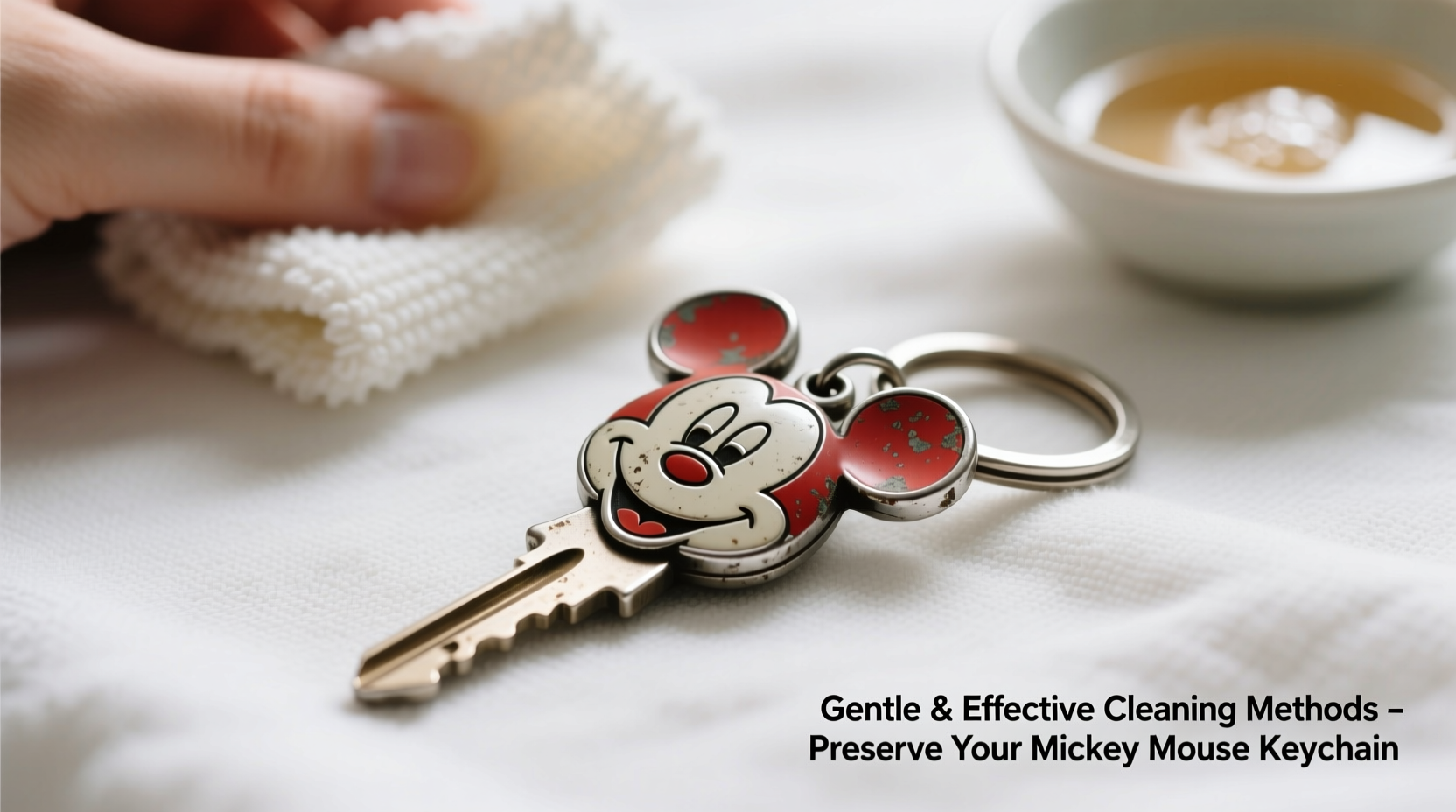
Before any cleaning begins, identifying the material is essential. Most Mickey Mouse keychains fall into one of four categories:
- Vinyl/Soft Plastic: Common in modern Disney merchandise, flexible and durable but sensitive to solvents.
- Rigid Plastic: Often used for vintage-style or molded figures; prone to scratches and clouding.
- Painted Surfaces: Many designs include detailed paintwork on ears, face, or clothing—these can chip or fade easily.
- Fabric or Plush Elements: Some keychains combine soft materials with plastic components, requiring dual-care approaches.
Cleaning a plush Mickey keychain demands different tactics than one made entirely of hard plastic. Misjudging the composition can result in irreversible damage. When in doubt, assume the material is delicate and proceed conservatively.
Step-by-Step Guide: Safe Cleaning by Material Type
Cleaning doesn’t have to be complicated. With the right tools and patience, most keychains respond well to gentle treatment. Below is a timeline-based process tailored to each common material.
For Vinyl or Soft Plastic Keychains
- Dust Removal: Use a soft-bristled toothbrush or microfiber cloth to remove surface dust and debris.
- Prepare Cleaning Solution: Mix one drop of mild dish soap (like Dawn) with one cup of lukewarm water.
- Spot Clean: Dip a cotton swab or corner of a lint-free cloth into the solution, wring thoroughly, and gently wipe the surface. Avoid soaking.
- Rinse: Dampen a separate cloth with clean water and lightly go over the area to remove soap residue.
- Dry: Pat dry with a soft towel and allow to air-dry completely before reattaching to keys.
For Rigid Plastic or Painted Keychains
- Dry Dusting: Use a dry microfiber cloth or compressed air to lift dust from crevices.
- Moist Wipe (if needed): Slightly dampen a cotton pad with distilled water only—no soap. Gently dab stained areas.
- Avoid Abrasives: Never use paper towels, scrubbing pads, or alcohol wipes, as they can scratch or dissolve paint.
- Dry Immediately: Use a second dry cloth to prevent water spots, especially around joints or layered parts.
For Fabric or Plush Keychains
- Shake or Tap: Remove loose dirt by gently tapping the keychain against your palm.
- Spot Treat Stains: Use a cloth dampened with soapy water (same mild solution) to dab stained areas. Do not saturate.
- Use a Soft Brush: A clean makeup brush can help lift grime from fibers without pulling threads.
- Air Dry: Lay flat on a towel away from direct sunlight or heat sources to prevent warping or color bleed.
“Collectible-grade maintenance starts with minimal intervention. Less is more when preserving small decorative items.” — Lila Chen, Museum Conservator & Pop Culture Artifact Specialist
Do’s and Don’ts: Quick Reference Table
| Action | Do | Don’t |
|---|---|---|
| Cleaning Liquid | Mild dish soap + water | Alcohol, bleach, or window cleaner |
| Wiping Tool | Microfiber cloth, cotton swabs | Paper towels, rough sponges |
| Drying Method | Air-dry in shade, pat with soft towel | Use hairdryer or place in direct sun |
| Frequency | Every 4–6 weeks or as needed | Daily washing or aggressive scrubbing |
Real Example: Restoring a Vintage Park Souvenir
Sarah, a lifelong Disney fan, inherited her father’s 1995 Disneyland keychain—a small black-and-white Mickey figure with chipped red paint on his shorts. Over time, it had dulled from years on a key ring exposed to pocket lint, sweat, and occasional rain. She avoided submerging it, fearing further paint loss. Instead, she followed a cautious approach: using a dry microfiber cloth to remove surface grime, then a barely damp cotton swab to clean around the base. After drying overnight, the keychain looked noticeably cleaner without compromising the original finish. “I was scared to touch it,” she said, “but gentle care brought back its charm without risking more damage.”
Preventative Care Checklist
To minimize future cleaning needs and extend your keychain’s life, follow this simple checklist:
- ✅ Store in a soft pouch or display case when not in use.
- ✅ Remove before swimming, showering, or exercising.
- ✅ Avoid contact with lotions, perfumes, or hand sanitizers.
- ✅ Keep away from extreme temperatures (e.g., hot cars or freezing conditions).
- ✅ Inspect monthly for signs of wear, mold, or adhesive breakdown.
Frequently Asked Questions
Can I soak my Mickey keychain in water?
No. Submerging the keychain—even briefly—can weaken adhesives, cause paint to peel, or lead to internal rust if metal components are present. Always opt for spot cleaning with minimal moisture.
Is it safe to use disinfectant wipes?
Generally, no. Most disinfectant wipes contain alcohol or solvents that degrade plastics and remove protective coatings. For sanitizing, use a cloth lightly dampened with soapy water, then dry immediately.
What if my keychain has sticky residue?
For gum, tape residue, or sticker glue, apply a tiny amount of rubbing alcohol only to a cotton swab and gently dab the affected area—avoid surrounding surfaces. Test first on a hidden spot. Wipe with a damp cloth afterward and dry thoroughly.
Final Thoughts: Care That Honors Sentiment
Your Mickey Mouse keychain may seem small, but its value often extends far beyond its size. It might mark a first visit to Magic Kingdom, celebrate a milestone birthday, or connect you to childhood joy. Treating it with thoughtful care ensures it remains a bright, cheerful token for years to come. Gentle cleaning isn’t about perfection—it’s about respect for the object and what it represents. By using soft tools, avoiding harsh chemicals, and handling with patience, you preserve both appearance and memory.




 浙公网安备
33010002000092号
浙公网安备
33010002000092号 浙B2-20120091-4
Comments
No comments yet. Why don't you start the discussion?