
Pu leather osmanthus keychains have become beloved accessories for their elegant design, subtle fragrance, and symbolic meaning—osmanthus often represents harmony and prosperity in East Asian cultures. These small but meaningful items are frequently handled, exposed to skin oils, dust, and environmental pollutants. Over time, this exposure can dull the surface, cause discoloration, or weaken the material if not properly maintained. Unlike genuine leather, pu (polyurethane) leather is a synthetic material that requires careful handling to avoid cracking, peeling, or fading. Cleaning it demands a balance between effectiveness and gentleness. This guide offers detailed, tested methods to keep your keychain looking fresh and intact for years.
Understanding Pu Leather and Why It Needs Special Care
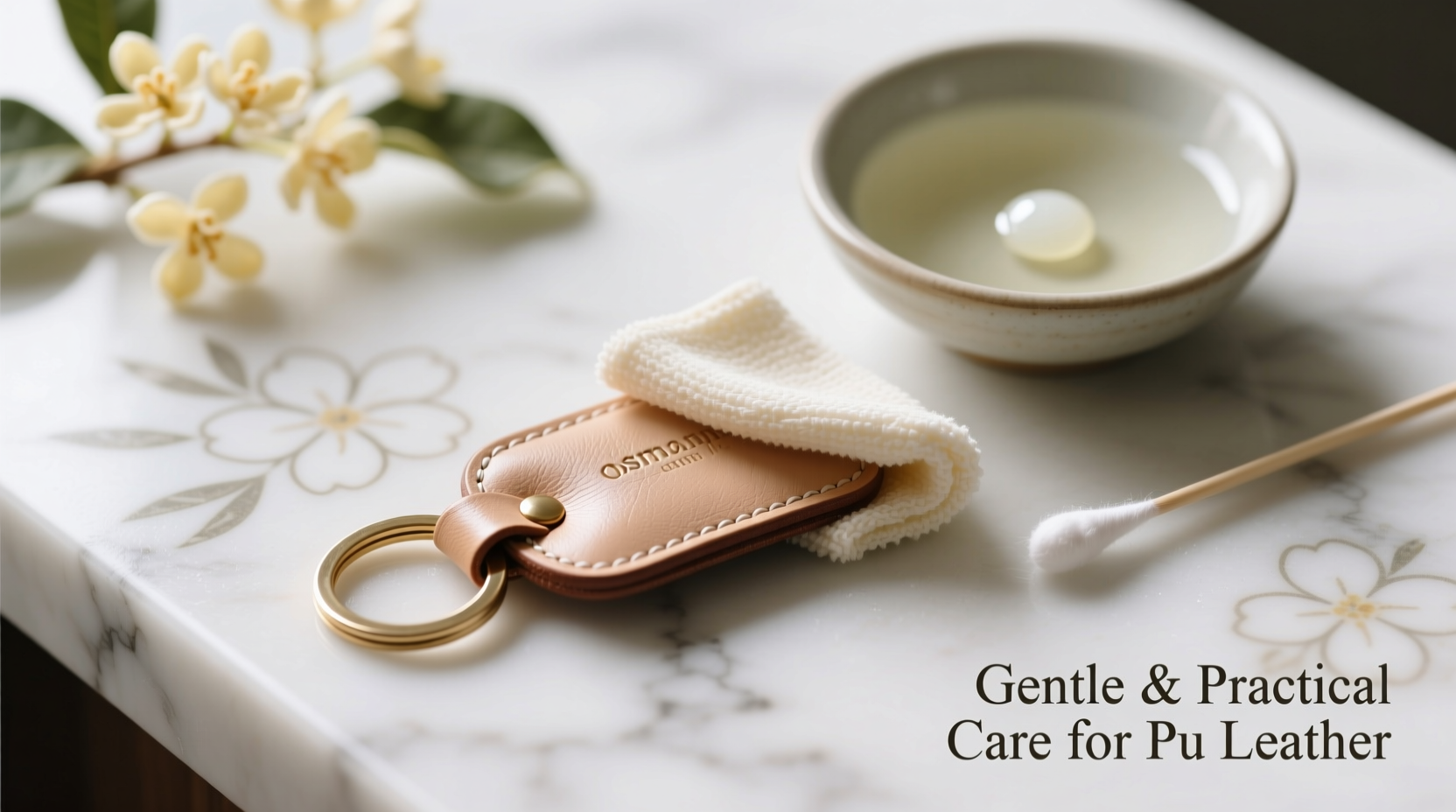
Pu leather mimics the texture and appearance of real leather but is more affordable and animal-friendly. However, its synthetic nature makes it vulnerable to certain cleaning agents and environmental stressors. The surface coating can degrade when exposed to alcohol, acetone, or strong detergents. Additionally, moisture trapped beneath the surface may lead to delamination—the separation of the polyurethane layer from its fabric backing.
Osmanthus keychains often feature delicate engravings, embedded botanical elements, or metallic accents. Aggressive scrubbing or soaking can compromise these details. The goal of cleaning should be removal of surface grime while preserving structural integrity and aesthetic appeal.
“Pu leather responds best to mild, pH-balanced solutions. Harsh cleaners strip protective coatings and accelerate aging.” — Lin Mei, Textile Conservation Specialist
Step-by-Step Guide: Safe Cleaning Process for Your Keychain
Cleaning a pu leather osmanthus keychain doesn’t require special equipment. With household items and patience, you can restore its luster safely. Follow this sequence carefully:
- Remove loose debris: Use a soft-bristled brush (like a clean toothbrush) to gently sweep away dust and particles from crevices and textured areas.
- Prepare a cleaning solution: Mix one teaspoon of mild liquid dish soap (without moisturizers or degreasers) with one cup of lukewarm water. Avoid using soaps labeled “antibacterial” or “degreasing,” as they contain harsh surfactants.
- Dampen a microfiber cloth: Dip a corner of a lint-free microfiber cloth into the solution and wring it out thoroughly. The cloth should be damp, not wet.
- Wipe the surface: Gently rub the keychain in small circular motions, focusing on stained or greasy spots. Do not saturate the material. Work around any metal parts or botanical inserts to prevent water accumulation.
- Rinse residue: Dampen a second clean cloth with plain water and lightly go over the same area to remove soap traces.
- Dry naturally: Lay the keychain flat on a dry towel in a well-ventilated area, away from direct sunlight or heat sources. Allow 4–6 hours for complete drying.
Do’s and Don’ts: Best Practices Summary
| Do | Don’t |
|---|---|
| Use a microfiber or cotton cloth for wiping | Use paper towels—they can scratch the surface |
| Clean monthly with a damp cloth | Wait until heavy stains appear before cleaning |
| Store in a breathable fabric pouch | Leave it in a humid bathroom or car dashboard |
| Apply a tiny amount of glycerin-based wipe if drying occurs | Use petroleum-based conditioners or waxes |
| Inspect regularly for signs of wear | Expose to perfumes, hand sanitizers, or lotions |
Real Example: Restoring a Faded Gift Keychain
Jessica received an osmanthus keychain from her grandmother during the Mid-Autumn Festival. She carried it daily for six months, attaching it to her work bag. By winter, the once-vibrant surface had dulled, and fingerprints were clearly visible. Worried about ruining the sentimental item, she avoided cleaning it until noticing slight edge peeling.
She followed the method described above: brushing gently with a toothbrush, using diluted Dawn dish soap, and drying overnight on a linen napkin. After cleaning, the keychain regained its original sheen without affecting the engraved floral pattern or the faint natural scent of dried osmanthus. Jessica now cleans it every five weeks and stores it in a small muslin pouch when not in use. Her experience highlights how regular, gentle maintenance prevents long-term damage.
Alternative Methods and When to Use Them
While the soap-and-water method is safest for routine care, there are limited scenarios where alternatives may help—provided they’re used cautiously.
- Vinegar solution (1:3 ratio with water): Effective for removing mild odor or bacterial buildup. Apply with a cotton swab only to non-porous metal parts—never directly on pu leather.
- Magic Eraser (melamine foam): Can lift stubborn scuffs but is abrasive. Test on an inconspicuous edge first. If the surface becomes matte or powdery, discontinue use immediately.
- Commercial pu leather wipes: Choose alcohol-free, silicone-free versions. Brands like Meguiar's or Chamberlain’s offer safe options designed specifically for synthetic leathers.
For keychains with actual dried osmanthus flowers sealed inside a resin capsule, avoid all moisture. Instead, use compressed air (from a camera duster) to blow away dust without contact.
Frequently Asked Questions
Can I use baby wipes to clean my pu leather keychain?
No. Most baby wipes contain alcohol, citric acid, or preservatives that degrade pu leather over time. While convenient, they leave behind residues that attract dirt and accelerate surface breakdown. Stick to homemade soap solutions or approved leather wipes instead.
Why is my keychain turning white after cleaning?
A whitish film usually indicates either residual soap not rinsed properly or moisture trapped beneath the surface layer. To fix this, lightly buff the area with a dry microfiber cloth. In the future, ensure cloths are only slightly damp and always follow up with a water-only wipe.
How often should I clean my osmanthus keychain?
For daily-use keychains, a light surface wipe every 2–3 weeks is ideal. A deeper clean using the full method should be done every 2–3 months. Less frequent handling allows for quarterly maintenance.
Essential Care Checklist
- ☐ Inspect for cracks, peeling, or discoloration
- ☐ Brush off dust with a soft toothbrush
- ☐ Wipe with a slightly damp microfiber cloth
- ☐ Dry completely before storing
- ☐ Store in a cool, dry place away from direct light
- ☐ Avoid contact with liquids, oils, and chemicals
Conclusion: Preserve Meaning Through Mindful Maintenance
Your pu leather osmanthus keychain is more than just a functional accessory—it carries memory, intention, and personal significance. Treating it with consistent, thoughtful care ensures it remains a lasting symbol rather than a forgotten trinket. By understanding the limitations of synthetic leather and applying simple, science-backed techniques, you protect both its physical form and emotional value. A few minutes each month can prevent years of deterioration. Start today: pick up your keychain, examine it closely, and give it the gentle attention it deserves.




 浙公网安备
33010002000092号
浙公网安备
33010002000092号 浙B2-20120091-4
Comments
No comments yet. Why don't you start the discussion?