
Fabric headbands are a staple in many wardrobes—ideal for workouts, fashion statements, or simply keeping hair out of the face. Yet, frequent use leads to sweat buildup, oils, and dirt that can degrade both hygiene and material integrity over time. Cleaning them improperly, however, can lead to stretched-out bands, faded colors, or frayed edges. The key lies in using gentle, targeted methods that preserve the fabric’s structure while removing contaminants. This guide delivers practical, tested strategies to maintain your headbands’ softness, shape, and longevity.
Why Proper Cleaning Matters
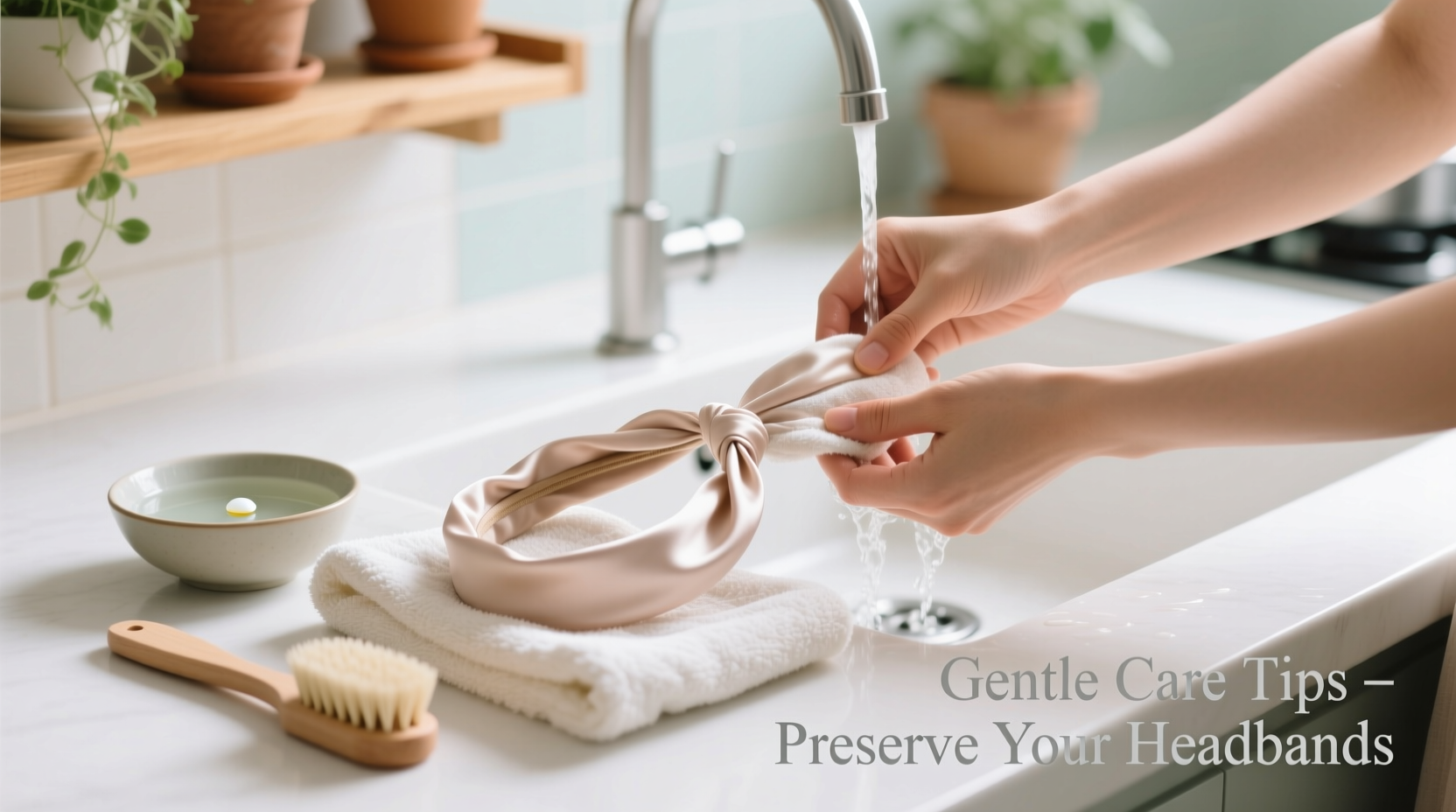
Fabric headbands often come into prolonged contact with scalp oils, sweat, and styling products. Over time, these substances break down elastic fibers and attract bacteria, leading to odor and skin irritation. But aggressive washing—such as machine agitation or harsh detergents—can be just as harmful. Delicate fabrics like cotton blends, velvet, or ribbed knits may lose their stretch or develop pilling. Understanding the composition of your headband is the first step toward safe cleaning.
“Regular but gentle care prevents bacterial buildup and maintains fabric integrity, especially in elasticized textiles.” — Dr. Lena Torres, Textile Scientist
Identify Your Headband Fabric Type
Not all headbands respond to the same cleaning method. Before applying water or detergent, inspect the care label if available. If not, assess texture and construction:
- Cotton or cotton blends: Generally durable, absorbent, and safe for hand washing.
- Polyester or synthetic blends: Resistant to mild detergents but prone to static and odor retention.
- Velvet or terry cloth: Require extra care to avoid crushing nap or retaining moisture.
- Knit or ribbed fabrics: Can stretch or lose shape if wrung or hung improperly.
- Headbands with embellishments: Avoid soaking; spot-clean only around beads, embroidery, or metal components.
Step-by-Step Guide: Hand Washing Fabric Headbands
Hand washing is the most effective and safest method for most fabric headbands. Follow this timeline to clean one or multiple bands efficiently:
- Pre-treat stains (5 minutes): Use a soft toothbrush or cotton swab dipped in a mix of mild detergent and water to gently scrub soiled areas, especially along the inner band where sweat accumulates.
- Prepare cleaning solution (3 minutes): Fill a basin with cool to lukewarm water. Add one teaspoon of gentle detergent (baby shampoo or wool wash works well).
- Soak and agitate (10–15 minutes): Submerge headbands and swirl gently. Do not twist or rub vigorously. Let sit to loosen grime.
- Rinse thoroughly (5 minutes): Drain soapy water and refill with clean water. Repeat until no suds remain.
- Dry properly (air-dry, 2–4 hours): Press out excess water without wringing. Lay flat on a clean towel, reshaping the band. Avoid hanging, which can stretch the material.
For heavily soiled headbands used during intense workouts, add a half-teaspoon of baking soda to the soak water to neutralize odors naturally.
Do’s and Don’ts: Best Practices Summary
| Do’s | Don’ts |
|---|---|
| Use cool water and mild, fragrance-free detergent | Use hot water—it can shrink elastic fibers |
| Wash every 3–5 wears, depending on sweat exposure | Leave damp headbands bunched up—they can mildew |
| Lay flat to dry on a clean surface | Put in the dryer—even low heat damages elasticity |
| Spot-clean between full washes for light maintenance | Use bleach or strong stain removers—they degrade fabric |
| Store in a dry drawer or breathable pouch | Keep in gym bags where moisture lingers |
Real Example: Recovering a Stretched Workout Headband
Sophia, a yoga instructor, wore her favorite ribbed cotton headband daily. After two months, it began slipping during classes and developed a sour smell. She had been tossing it in the laundry with towels, assuming the spin cycle wouldn’t hurt it. After consulting a textile care guide, she switched to hand washing with baby shampoo and air drying flat. Within three uses, the band regained its snug fit and freshness. By avoiding machine stress and high heat, she extended its usable life by over six months—proving that routine adjustments make a tangible difference.
Alternative Methods for Sensitive or Decorative Headbands
Some headbands aren’t suitable for full immersion. For delicate pieces:
- Spot cleaning: Dampen a microfiber cloth with water and a drop of detergent. Gently wipe the interior band and stained areas. Blot dry immediately.
- Steam refresh: Hold a garment steamer 6 inches away from the headband to loosen odors and sanitize without wetting the fabric fully. Ideal for silk-blend or embroidered styles.
- Freezing for odor control: Place the headband in a sealed bag and freeze overnight. Cold kills some odor-causing bacteria—useful between washes when travel limits access to water.
Checklist: Maintain Your Headbands Like a Pro
Follow this simple checklist after each use or before washing:
- ☐ Inspect for visible stains or odor
- ☐ Check for loose threads or elastic sagging
- ☐ Pre-treat soiled areas with gentle scrubbing
- ☐ Wash within 1–2 days of heavy sweat exposure
- ☐ Always air dry flat, away from direct sunlight
- ☐ Store in a ventilated space, not crumpled in a bag
- ☐ Replace if elastic is permanently loose or fabric is fraying
FAQ
Can I machine wash fabric headbands?
Only if the care label explicitly permits it—and even then, place them in a mesh laundry bag and use the delicate cycle with cold water. However, hand washing remains the safest option to protect elasticity and shape.
How often should I wash my fabric headband?
After every 3–5 wears under normal conditions. If worn during exercise or in hot weather, wash after each use to prevent bacterial growth and odor buildup.
Why does my headband smell even after washing?
Residual moisture or detergent buildup can trap odor. Ensure thorough rinsing and complete drying. Adding white vinegar (one tablespoon per basin) during the rinse cycle helps eliminate lingering smells naturally.
Conclusion
Caring for fabric headbands doesn’t require special tools or expensive products—just consistency and attention to detail. By choosing gentle cleaning methods, respecting fabric types, and avoiding common pitfalls like machine drying or improper storage, you preserve both comfort and appearance. These small efforts ensure your headbands remain hygienic, functional, and stylish for months or even years. Treat them with care, and they’ll continue to support your daily routines without compromise.




 浙公网安备
33010002000092号
浙公网安备
33010002000092号 浙B2-20120091-4
Comments
No comments yet. Why don't you start the discussion?