
A Ground Fault Circuit Interrupter (GFCI) outlet is a critical safety device designed to protect against electrical shocks in areas where moisture is present—such as kitchens, bathrooms, garages, and outdoor spaces. When functioning properly, a GFCI detects even minor imbalances in current and cuts power within milliseconds. However, if your GFCI outlet keeps tripping, it’s not just an inconvenience—it may signal underlying electrical issues that need attention. Understanding the root causes and knowing how to respond can prevent damage, reduce fire risk, and keep your home safe.
Why GFCI Outlets Trip: Common Causes
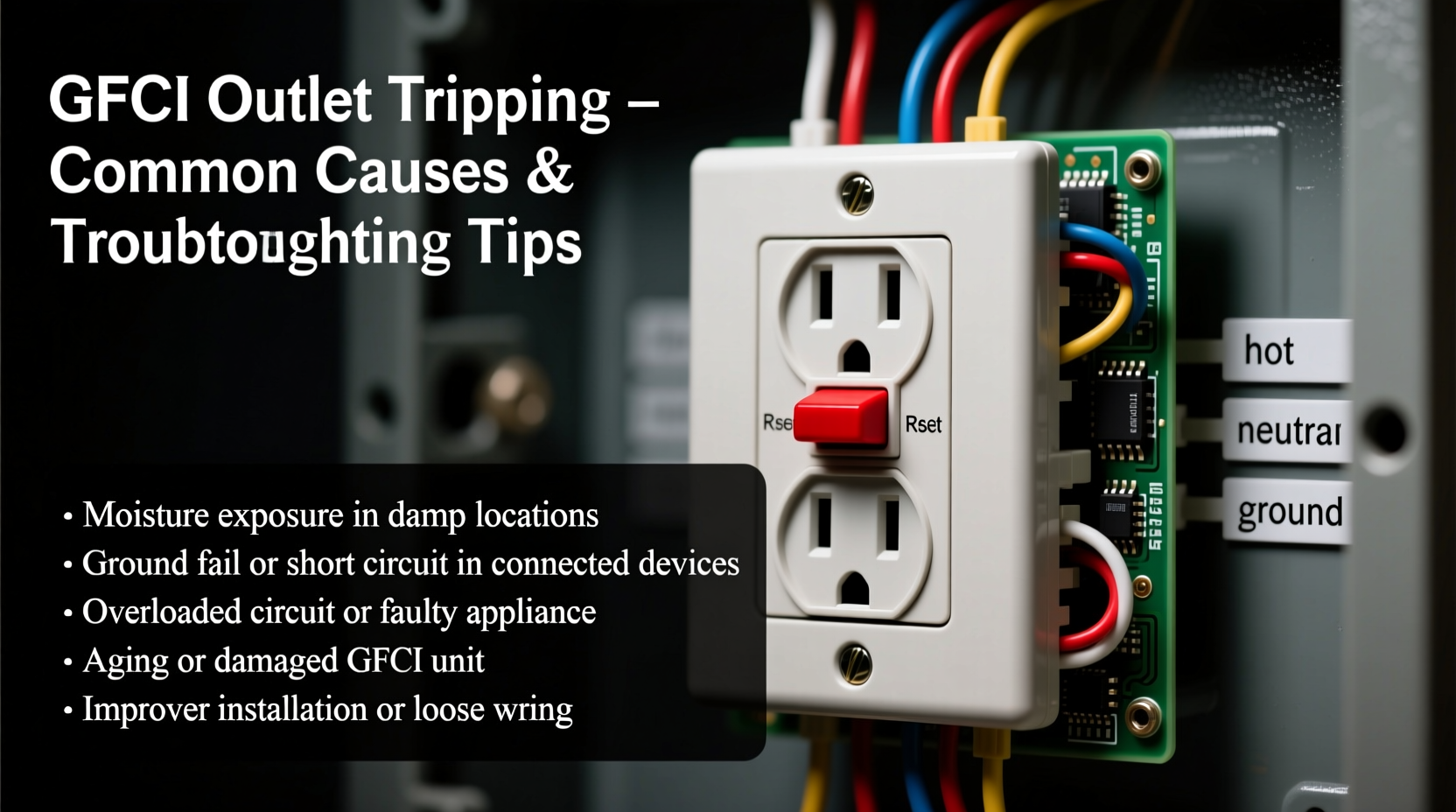
GFCI outlets trip when they detect a ground fault—a situation where electrical current leaks from its intended path, often due to contact with water or damaged wiring. While occasional tripping under wet conditions is normal, repeated or unexplained trips indicate a problem. Below are the most frequent reasons:
- Moisture intrusion: Water in outlets, especially in bathrooms or outdoors, triggers immediate shutdowns.
- Overloaded circuits: Plugging in too many high-wattage devices can cause thermal stress and trip the breaker.
- Damaged appliances: A faulty toaster, space heater, or power tool may leak current back into the circuit.
- Aging or defective GFCI: Units older than 10 years may become overly sensitive or fail internally.
- Wiring issues: Loose connections, reversed polarity, or degraded insulation can create ground faults.
- Nuisance tripping: Some modern electronics emit small leakage currents that accumulate and trigger older GFCIs.
Step-by-Step Troubleshooting Guide
Follow this systematic approach to identify and resolve the cause of repeated tripping. Never skip steps—each one isolates potential variables.
- Unplug all devices connected to the GFCI and any downstream outlets it protects.
- Reset the GFCI by pressing the \"Reset\" button. If it won’t stay reset, the outlet itself may be faulty.
- Check for moisture—inspect the outlet cover, surrounding walls, and nearby fixtures for dampness. Use a hairdryer on cool setting to dry the area if needed.
- Plug in devices one at a time to determine which appliance causes the trip. Watch for sparks, buzzing, or unusual smells.
- Test suspect appliances using a multimeter or plug them into a different circuit to see if the issue follows.
- Inspect downstream outlets—a single GFCI often protects multiple outlets. A problem in one can affect all.
- Examine wiring connections behind the outlet (only if power is off at the breaker panel).
- Replace the GFCI if no external cause is found and it fails testing.
“Repeated GFCI tripping isn’t something to ignore. It’s either doing its job because of a hazard, or it’s failing and needs replacement.” — James Reynolds, Master Electrician & NFPA Contributor
Troubleshooting Checklist
Use this checklist to methodically assess and resolve the issue:
- ✅ Unplugged all devices from GFCI and daisy-chained outlets
- ✅ Pressed \"Test\" then \"Reset\" to verify functionality
- ✅ Checked for visible moisture or water exposure
- ✅ Inspected outlet faceplate for cracks or discoloration
- ✅ Tested each appliance individually after reset
- ✅ Verified correct wiring (line vs. load terminals)
- ✅ Replaced GFCI if over 10 years old or unresponsive
- ✅ Consulted licensed electrician if issue persists
Common Mistakes and What to Avoid
Well-intentioned homeowners often make errors that worsen the situation or compromise safety. The table below outlines key do’s and don’ts.
| Do’s | Don’ts |
|---|---|
| Label GFCI-protected circuits clearly at the breaker box | Never bypass a GFCI by taping the reset button down |
| Test GFCIs monthly using the Test/Reset buttons | Don’t ignore frequent tripping as “normal” |
| Use weatherproof covers for outdoor GFCI outlets | Don’t install standard outlets in wet locations |
| Hire an electrician for persistent or unexplained issues | Don’t attempt wiring repairs without turning off the main power |
Real-World Example: Bathroom Outlet Tripping After Shower
In a suburban home in Portland, Oregon, a homeowner reported that their bathroom GFCI tripped every morning during showers. Initially dismissed as humidity-related, the issue persisted even after ventilation improvements. An electrician was called in and discovered that steam was entering the outlet through a loose wall plate screw, creating enough condensation to trigger the sensor. The fix? A new gasketed wall plate and sealing gaps with silicone caulk. Since then, no further trips occurred. This case illustrates how subtle environmental factors can interact with electrical systems—and why timely investigation matters.
Frequently Asked Questions
Can a GFCI go bad even if it looks fine?
Yes. Internal components like the sensing coil or relay can degrade over time without visible signs. If the outlet fails to trip during testing or won’t reset consistently, internal failure is likely—even if there’s no scorching or damage.
Why does my GFCI trip when I use my vacuum cleaner?
This usually indicates a ground fault in the vacuum’s motor or cord. Test the vacuum on another circuit. If it trips elsewhere, the appliance is the culprit. If not, check for shared neutrals or overloaded circuits in your home’s wiring.
How often should I replace a GFCI outlet?
Most manufacturers recommend replacing GFCI outlets every 10 years. Even if they appear functional, internal sensitivity diminishes over time. Monthly testing helps catch early warning signs.
When to Call a Professional
While basic troubleshooting is safe for informed homeowners, certain situations require a licensed electrician:
- The GFCI trips immediately upon reset with nothing plugged in.
- You notice burning smells, discolored outlets, or buzzing sounds.
- Circuit breakers also trip alongside the GFCI, indicating deeper system issues.
- Multiple GFCIs on the same circuit trip intermittently.
- Wiring appears frayed, corroded, or improperly connected.
Licensing ensures compliance with National Electrical Code (NEC) standards and reduces liability. According to the Electrical Safety Foundation International (ESFI), nearly 51,000 home electrical fires occur annually—many linked to DIY errors.
Final Thoughts and Action Plan
A tripping GFCI outlet serves as both a protector and a warning sign. Dismissing it as a nuisance risks personal safety and property damage. By understanding common causes—from moisture and faulty appliances to aging units—you gain control over your home’s electrical health. Implement regular testing, avoid overloading circuits, and replace outdated outlets proactively.
If you’ve followed the troubleshooting steps and the problem remains unresolved, don’t delay professional help. Electricity demands respect; early intervention prevents emergencies.




 浙公网安备
33010002000092号
浙公网安备
33010002000092号 浙B2-20120091-4
Comments
No comments yet. Why don't you start the discussion?