
In West African cuisine, few dishes embody nourishment, tradition, and bold flavor as completely as Ghanaian spinach stew. More than just a side dish, this vibrant stew is a culinary cornerstone—served alongside staples like banku, kenkey, or boiled yam, it transforms everyday meals into deeply satisfying experiences. While the name suggests simplicity, the dish reveals layers of complexity: earthy greens balanced by piquant onions, fiery scotch bonnet peppers, savory tomatoes, and rich palm oil. For home cooks seeking authentic African flavors, mastering this stew opens a gateway to regional gastronomy that is both accessible and profoundly flavorful.
This guide provides a comprehensive, tested approach to preparing Ghanaian spinach stew from scratch, including ingredient selection, technique nuances, common pitfalls, and cultural context. Whether you're new to West African cooking or refining your skills, the following details ensure success in recreating an authentic, aromatic, and well-balanced version of this beloved dish.
Definition & Overview
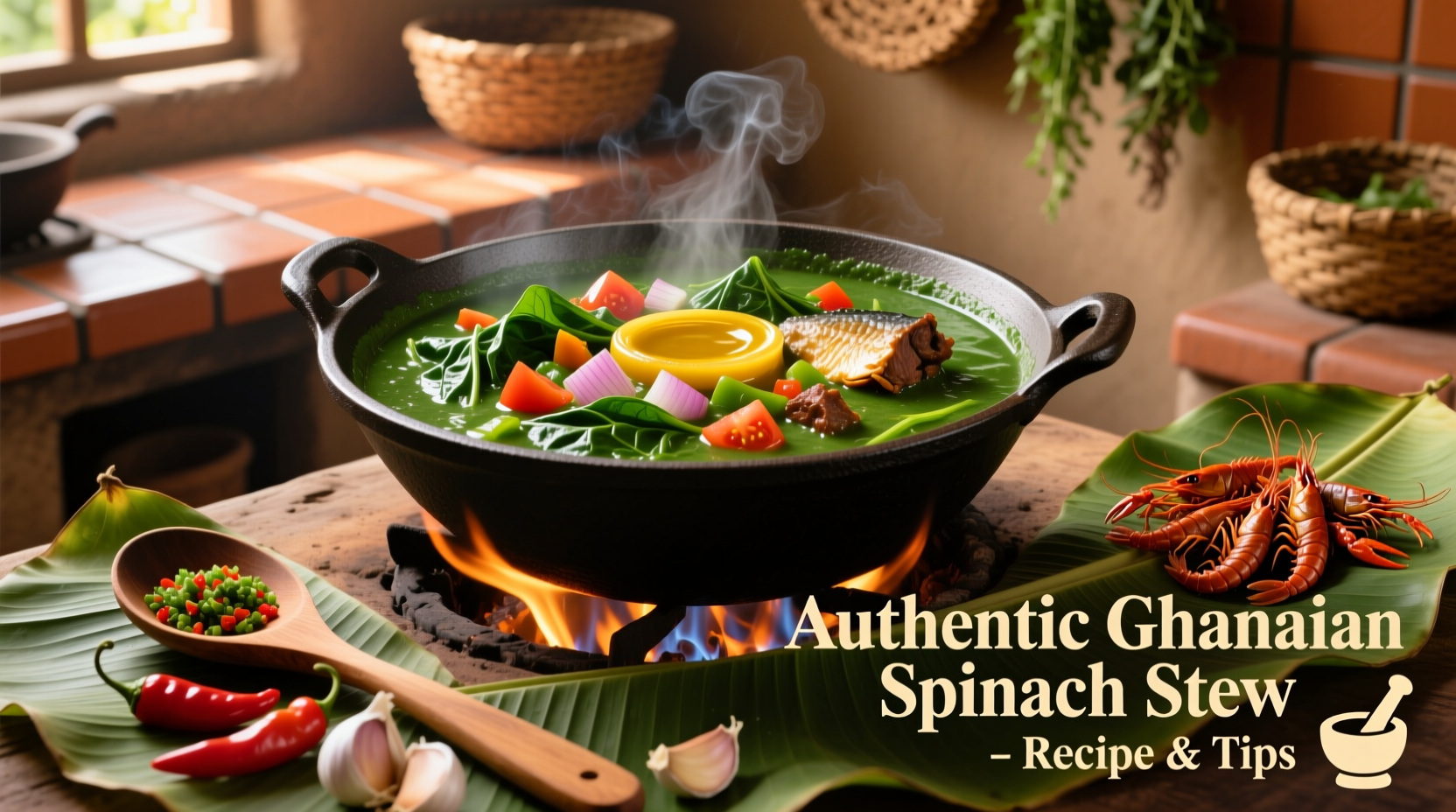
Ghanaian spinach stew—commonly known as palava sauce when made with leafy greens—is a traditional stew originating in southern Ghana, particularly among the Ga and Ewe people. Though \"spinach\" appears in the name, the dish typically uses locally available dark leafy greens such as amaranth (also called “aleefu” or “bologi”), cocoyam leaves, or even kale as a substitute outside West Africa. True spinach can be used but lacks the fibrous texture and deep mineral notes of traditional greens.
The stew is built on a trinity of tomatoes, onions, and chili peppers, enriched with fish or meat stock, and often includes smoked fish, dried shrimp, or beef for umami depth. Palm oil gives the stew its signature reddish-orange hue and subtle nutty richness. The result is a thick, savory, slightly sweet, and gently spicy stew that pairs exceptionally well with starchy accompaniments.
Culinary functionally, it serves as both a protein-rich vegetable dish and a condiment-like sauce. It’s commonly eaten at lunch or dinner and holds particular significance during festivals, family gatherings, and religious celebrations. Unlike Western-style creamed spinach, Ghanaian spinach stew is boldly seasoned, oil-enriched, and slow-cooked to develop layered flavors.
Key Characteristics
| Characteristic | Description |
|---|---|
| Flavor Profile | Savory, umami-rich, mildly sweet from tomatoes, with a noticeable smokiness if smoked ingredients are used. Balanced heat from fresh chilies. |
| Aroma | Pronounced tomato-onion base with earthy green notes; palm oil adds a warm, slightly musky fragrance. |
| Color/Form | Thick, semi-pureed consistency with visible flecks of greens; deep red-orange from palm oil and tomato reduction. |
| Heat Level | Moderate to high, depending on scotch bonnet quantity. Heat is more aromatic than searing. |
| Culinary Function | Main vegetable component or sauce served with starches; complements fermented or boiled doughs. |
| Shelf Life | 3–4 days refrigerated; freezes well for up to 3 months. Flavor improves after 24 hours. |
Practical Usage: How to Prepare Authentic Ghanaian Spinach Stew
Preparing this stew requires attention to ingredient quality, cooking sequence, and patience. Rushing any step compromises texture and depth. Below is a detailed, professional-grade method suitable for home kitchens.
Ingredients (Serves 4–6)
- 500g fresh spinach or amaranth leaves (washed, tough stems removed)
- 3 medium ripe tomatoes, blended
- 1 large onion, finely chopped (reserve ¼ for garnish)
- 1–2 scotch bonnet peppers, blended (adjust to taste)
- 2 tbsp red palm oil (unrefined preferred)
- 1 cup fish or chicken stock (or water + 1 stock cube)
- 100g smoked mackerel or herring, flaked (optional but traditional)
- 2 tbsp dried shrimp (soaked and crushed)
- 1 tsp ground crayfish (optional)
- Salt to taste
- Black pepper (freshly ground, optional)
Step-by-Step Preparation
- Prepare the greens: Wash spinach thoroughly under running water to remove sand. Blanch in boiling water for 1 minute, then plunge into cold water. Squeeze out excess moisture and finely chop. This step prevents bitterness and removes grit while preserving color.
- Build the stew base: In a heavy-bottomed pot, heat palm oil over medium heat. Add half the chopped onion and sauté until translucent—do not brown. The oil should turn a deeper red as the onions release moisture.
- Add blended mixture: Stir in the blended tomatoes and scotch bonnet. Cook uncovered for 15–20 minutes, stirring frequently to prevent sticking. This reduces water content and concentrates flavor—a critical stage often skipped in rushed versions.
- Enrich with protein elements: Add smoked fish, dried shrimp, and ground crayfish. Stir well and cook for 5 minutes to integrate flavors. These ingredients contribute saltiness and umami; adjust added salt accordingly.
- Incorporate stock: Pour in stock or water with stock cube. Bring to a gentle simmer and cook for another 10 minutes to meld flavors.
- Add the greens: Fold in the chopped, blanched spinach. Stir gently to avoid breaking down the leaves too much. Simmer for 8–10 minutes until fully integrated. Do not overcook—greens should retain some texture.
- Season and finish: Taste and adjust salt and pepper. If the stew is too thick, add a splash of hot water. Garnish with reserved raw onion for freshness and contrast.
Pro Tip: For restaurant-quality depth, roast the tomatoes and onions before blending. Place whole tomatoes and half the onion on a tray under a broiler or open flame until charred in spots. This adds a smoky complexity that mimics traditional wood-fire cooking.
Serving Suggestions
Ghanaian spinach stew is rarely eaten alone. It shines when paired with:
- Banku: Fermented corn-cassava dough, steamed into soft dumplings. Its slight sourness cuts through the stew’s richness.
- Konkonte (cassava flour porridge): A rustic, grainy staple common in rural areas.
- Boiled plantain or yam: Offers natural sweetness that balances the savory stew.
- Rice balls (omo tuo): Especially during festive occasions.
When plating, place a mound of the starch on one side of the bowl and ladle the stew beside or over it. Offer extra sliced raw onion and lemon wedges on the side for brightness.
Variants & Types
While the core technique remains consistent, regional and household variations reflect ingredient availability and personal preference. Understanding these types helps adapt the recipe authentically.
1. Palava Sauce (Coastal Variant)
Common in Accra and coastal communities, this version emphasizes smoked fish and dried shrimp. It uses minimal meat and focuses on seafood umami. Often thicker and darker due to longer reduction.
2. Meat-Based Spinach Stew (Inland Adaptation)
In northern Ghana and drier regions, where fresh fish is less accessible, stew may include stewed goat meat, beef, or tripe. The meat is cooked separately and added at the final stage. This version tends to be heartier and more filling.
3. Vegan Palava Sauce
A modern adaptation omitting all animal products. Umami is achieved through mushrooms, miso paste (sparingly), or extra dried shrimp substitute like nutritional yeast. Smoked paprika can mimic the smokiness of fish.
4. Leaf Variations
The type of green used significantly alters texture and taste:
| Green Type | Texture | Flavor Notes | Best Used When |
|---|---|---|---|
| Amaranth (Bologi) | Firm, slightly fibrous | Earthy, mineral-rich | Traditional palava sauce |
| Cocoyam Leaves | Soft, mucilaginous when cooked | Mild, similar to taro | Paired with fufu or eba |
| Kale | Robust, chewy | Bitter edge unless blanched | Outside Ghana, as substitute |
| Spinach (true) | Tender, breaks down easily | Milder, sweeter | For delicate versions or children |
Selecting the right green depends on desired outcome. For authenticity, amaranth is ideal. For convenience, kale or spinach work with adjustments.
Comparison with Similar Ingredients/Dishes
Ghanaian spinach stew is sometimes confused with other West African vegetable dishes. Understanding distinctions ensures proper execution.
| Dish | Base Ingredient | Oil Used | Protein Source | Key Difference |
|---|---|---|---|---|
| Ghanaian Spinach Stew | Spinach/amaranth | Palm oil | Smoked fish, dried shrimp | Bright, tangy, seafood-forward |
| Nigerian Efo Riro | Spinach/callaloo | Palm or vegetable oil | Beef, tripe, stockfish | Meat-heavy, spicier, often includes locust beans |
| Senegalese Mafe | Peanut sauce + greens | Vegetable oil | Chicken or beef | Creamy, nut-based, no palm oil |
| Ghanaian Tomato Stew (Shito Base) | Tomatoes only | Palm oil | Dried fish, crustaceans | No greens; used as condiment or base for jollof |
\"The soul of palava sauce lies in the balance between smoke, sea, and soil—the fish connects us to the coast, the greens to the land, and the palm oil to our ancestors’ hearths.\" — Chef Selorm Adotevi, Accra Culinary Institute
Practical Tips & FAQs
How do I reduce the heat without losing flavor?
Remove the seeds and membranes from scotch bonnet peppers before blending. Alternatively, use bell pepper for color and body, adding just a sliver of hot pepper for aroma. Never omit pepper entirely—it’s integral to the flavor architecture.
Can I use canned tomatoes?
Yes, but fresh is superior. If using canned, choose whole peeled tomatoes and drain excess liquid. Avoid flavored or seasoned varieties.
Why does my stew taste bitter?
Bitterness usually comes from overcooked greens or unblanched kale/spinach. Always blanch fibrous greens and squeeze dry. Also, burnt onions or scorched palm oil can cause off-flavors—maintain medium heat during sautéing.
Is palm oil necessary?
Authenticity demands it. Unrefined red palm oil contributes carotenoids, vitamin E, and a distinctive aroma. Substitute only in emergencies with coconut oil + a drop of annatto oil for color—but expect a different profile.
How do I store and reheat leftovers?
Cool completely and refrigerate in an airtight container. Reheat gently over low heat with a splash of water to restore consistency. Freezing is excellent—portion before freezing for easy use.
Can I make it ahead of time?
Yes. In fact, flavors deepen overnight. Prepare the stew base (tomato-onion-pepper mix) up to two days in advance. Store refrigerated and add greens just before serving to preserve texture.
What’s the best way to chop the greens?
After blanching and squeezing, roll the leaves like a cigar and slice thinly (chiffonade). This ensures even distribution and elegant mouthfeel.
Checklist for Success:
- ✓ Blanch and squeeze greens thoroughly
- ✓ Reduce tomato mixture until oil separates
- ✓ Use smoked fish or dried shrimp for authenticity
- ✓ Cook on low-to-medium heat to prevent burning
- ✓ Finish with raw onion garnish
- ✓ Let sit 10 minutes before serving
Summary & Key Takeaways
Ghanaian spinach stew is more than a recipe—it's a cultural artifact expressed through taste, texture, and tradition. Mastering it requires understanding its components: the role of palm oil in color and aroma, the necessity of umami-rich proteins, and the careful handling of greens to preserve integrity.
Key takeaways for consistent results:
- Blanching greens is non-negotiable for removing grit and bitterness.
- Reducing the tomato base properly builds depth and prevents a watery stew.
- Smoked fish and dried shrimp elevate the dish beyond vegetarian fare.
- Raw onion garnish adds essential freshness against the stew’s richness.
- The stew improves with rest—make it a day ahead when possible.
Whether served at a Sunday family meal or introduced to curious guests, this stew communicates warmth, heritage, and culinary intelligence. With the guidance above, home cooks can confidently prepare a version that honors Ghanaian roots while adapting to modern kitchens and pantries.
Try this recipe this week and pair it with banku or boiled yam. Share your experience—what variation did you choose? How did your family respond? Authenticity begins not just in ingredients, but in shared moments around the table.




 浙公网安备
33010002000092号
浙公网安备
33010002000092号 浙B2-20120091-4
Comments
No comments yet. Why don't you start the discussion?