
For students who demonstrate exceptional intellectual ability, creativity, or academic potential, gifted programs offer a transformative educational experience. These specialized initiatives are designed not only to challenge high-achieving learners but also to nurture their talents in ways traditional classrooms often cannot. Understanding how gifted programs function, how students are identified, and what long-term educational paths they unlock is essential for parents, educators, and policymakers alike.
Gifted education varies widely across regions and school systems, making it crucial to approach these programs with both awareness and intention. From early identification to college readiness, the journey through gifted education can shape a student’s academic confidence, career trajectory, and lifelong love of learning.
How Gifted Programs Are Structured
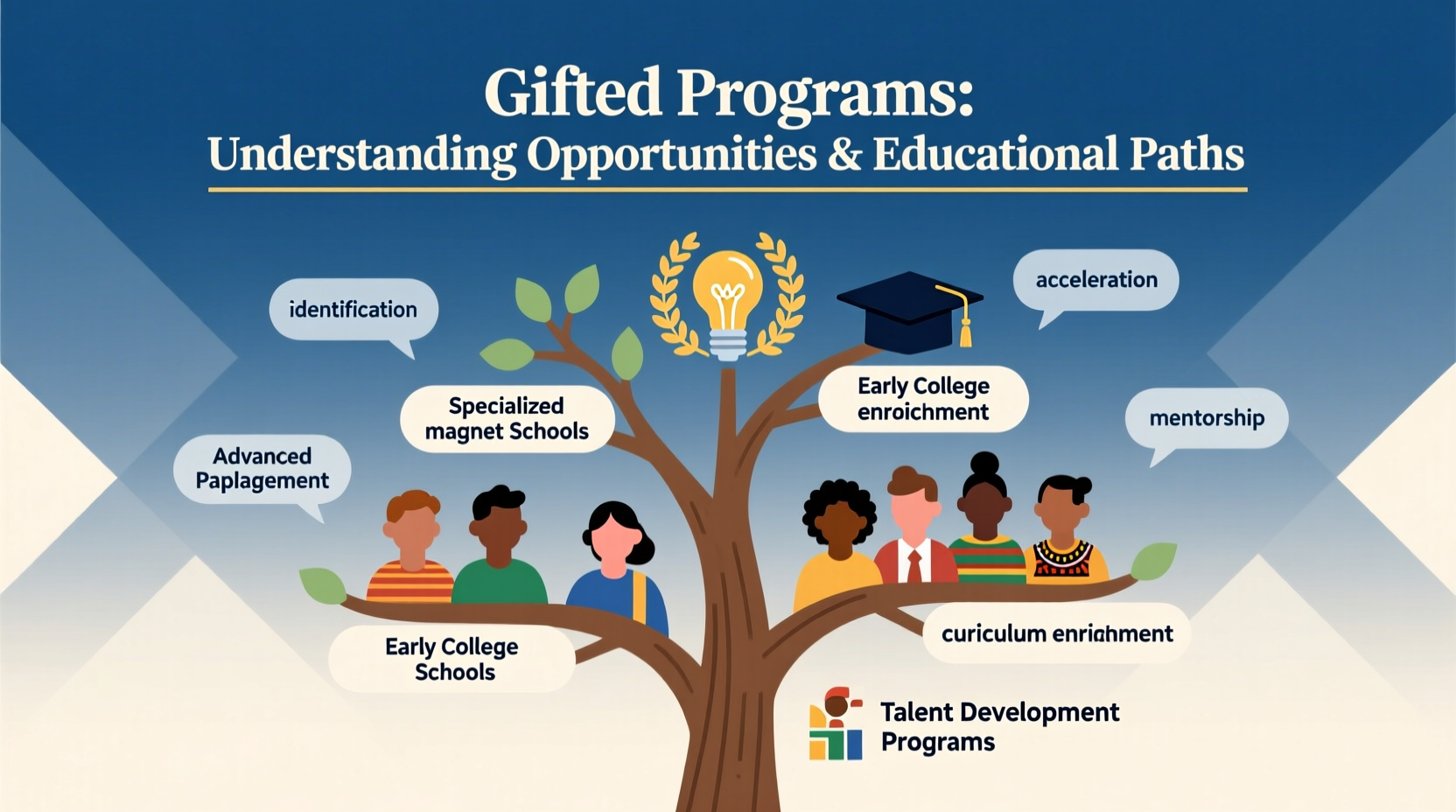
Gifted programs are not one-size-fits-all. They come in multiple formats depending on the school district, funding, and educational philosophy. Common models include:
- Full-time self-contained classrooms: Students spend the entire school day in a class specifically for gifted learners, following an enriched or accelerated curriculum.
- Part-time pull-out programs: Students remain in general education classes most of the day but are pulled out for specialized instruction in subjects like math, science, or creative thinking.
- Cluster grouping: A small group of gifted students is placed together within a regular classroom, allowing teachers to differentiate instruction more effectively.
- Honors and Advanced Placement (AP) tracks: In secondary schools, gifted students often access rigorous coursework such as AP, International Baccalaureate (IB), or dual enrollment programs.
The structure of a program significantly impacts its effectiveness. Research shows that full-time gifted classrooms tend to yield greater academic gains than part-time models, especially when curricula are designed to foster depth over breadth.
Identification and Eligibility: How Students Get In
Entry into gifted programs typically involves a multi-step evaluation process. Schools use a combination of tools to assess cognitive ability, academic achievement, creativity, and motivation.
| Assessment Type | Purpose | Common Tools |
|---|---|---|
| Cognitive Ability Tests | Measure reasoning, problem-solving, and abstract thinking | WISC-V, Stanford-Binet, CogAT |
| Achievement Tests | Evaluate mastery of grade-level content | MAP Growth, Iowa Assessments |
| Teacher & Parent Nominations | Capture non-cognitive traits like curiosity and persistence | Renzulli Scales, observation checklists |
| Portfolios & Performance Tasks | Showcase creativity and applied skills | Student projects, writing samples |
Many districts require students to score at or above the 95th percentile on standardized assessments to qualify. However, equitable access remains a challenge. Underrepresentation of low-income, minority, and English language learner students persists due to biases in testing, lack of referrals, and inconsistent outreach.
“Identification should be ongoing, not a one-time event. Potential can emerge at any age, especially when students are given the right opportunities.” — Dr. Joy L. Davis, Educational Equity Researcher
Educational Paths Opened by Gifted Programs
Participation in gifted education does more than provide harder work—it opens doors to long-term academic and professional advantages.
Students in well-designed gifted programs are more likely to pursue STEM fields, enroll in selective colleges, and engage in research or innovation during high school. Many gain access to mentorships, summer enrichment programs, and competitions such as science fairs or debate tournaments.
Advanced coursework in middle and high school allows students to earn college credit early, reducing time and cost in higher education. Some gifted programs partner with universities to offer dual enrollment, giving students the chance to take real college classes while still in high school.
Real Example: The Journey of Maya R.
Maya entered a cluster-based gifted program in third grade after scoring in the 98th percentile on a cognitive abilities test. Her teacher noticed her deep curiosity in science and nominated her for a regional STEM enrichment camp. By seventh grade, she was taking advanced math in a separate honors track. In high school, Maya enrolled in AP Physics, participated in a university-run robotics internship, and submitted original research to a national science competition. She ultimately earned a scholarship to a top engineering program—all pathways made possible by early access to gifted education.
Maximizing the Benefits: A Step-by-Step Guide for Families
Navigating gifted education successfully requires proactive engagement. Here’s a timeline for families to follow:
- Observe and document: Note your child’s advanced vocabulary, intense focus, or early mastery of complex concepts.
- Request screening: Contact your school’s gifted coordinator to learn about eligibility procedures and deadlines.
- Prepare for assessment: Ensure your child is well-rested and informed about the testing process—no cramming needed.
- Review results and placement options: Attend meetings with educators to understand what services are offered and how they align with your child’s needs.
- Advocate consistently: Monitor progress, request adjustments if the program isn’t challenging enough, and seek external enrichment if necessary.
Common Challenges and How to Address Them
Despite their benefits, gifted programs are not without drawbacks. Some students face social isolation, pressure to perform, or mismatched pacing. Others may be misidentified or lose motivation if the curriculum fails to engage them.
To mitigate these risks:
- Ensure the program emphasizes growth over perfection.
- Promote social-emotional learning alongside academics.
- Encourage participation in extracurriculars to build diverse friendships.
- Work with counselors to monitor stress levels and maintain balance.
Checklist: Is Your Child’s Gifted Program Effective?
- ✅ Offers material significantly above grade level
- ✅ Groups students with true intellectual peers
- ✅ Encourages critical and creative thinking, not just faster completion
- ✅ Includes differentiated instruction tailored to individual strengths
- ✅ Provides access to enrichment beyond the standard curriculum
- ✅ Supports emotional and social development
Frequently Asked Questions
Can a child be gifted in only one subject?
Yes. While some students show broad intellectual strength, others exhibit specific aptitude in areas like mathematics, language arts, or the arts. Subject-specific gifted programs allow these learners to thrive without requiring whole-grade acceleration.
Do gifted programs guarantee success later in life?
No program guarantees success, but gifted education significantly increases the odds of academic engagement, college attendance, and career satisfaction—especially when paired with supportive mentoring and personal resilience.
What if my school doesn’t offer a gifted program?
Explore alternatives such as magnet schools, virtual programs, or advocacy for program development. Parent groups can petition school boards using data on student performance and equity gaps to support new initiatives.
Conclusion: Empowering Potential Through Purposeful Education
Gifted programs are more than academic shortcuts—they are vital pathways for nurturing tomorrow’s innovators, leaders, and thinkers. When implemented with equity, rigor, and compassion, these programs help students achieve their full potential while maintaining a sense of curiosity and joy in learning.
The key lies in informed participation: knowing how to identify opportunities, advocate for appropriate challenges, and support holistic development. Whether you’re a parent, educator, or policymaker, your role in shaping these experiences is powerful.




 浙公网安备
33010002000092号
浙公网安备
33010002000092号 浙B2-20120091-4
Comments
No comments yet. Why don't you start the discussion?