
While this article does not include actual photographs, it provides a comprehensive visual reference guide through detailed descriptive language, structured comparisons, and practical identification cues to help home cooks, chefs, and food enthusiasts accurately recognize and differentiate ginger root in all its common forms. Whether you're selecting ginger at the market, identifying it in a recipe, or distinguishing it from similar rhizomes, this guide equips you with the observational skills needed to make informed culinary decisions—without relying on images.
Definition & Overview
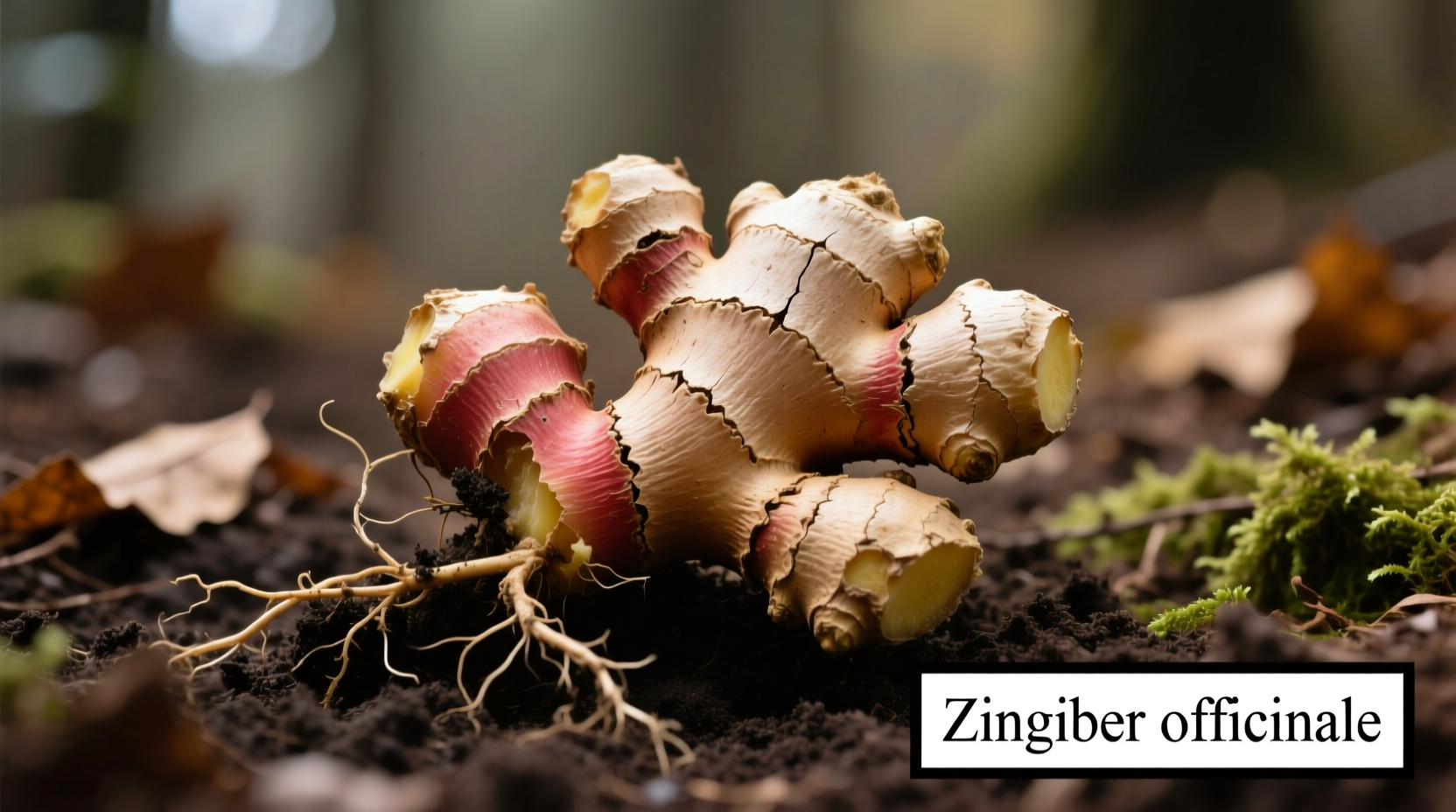
Ginger (Zingiber officinale) is a flowering plant whose rhizome, or underground stem, is widely used as a spice and traditional remedy across global cuisines. Native to Southeast Asia, ginger has been cultivated for over 3,000 years and now features prominently in Indian, Chinese, Japanese, Caribbean, African, and Middle Eastern cooking. Unlike true roots, the edible portion of ginger is a knobby, aromatic rhizome that grows horizontally beneath the soil.
In culinary contexts, \"ginger root\" refers to the harvested and cleaned rhizome, typically sold fresh but also available in dried, powdered, pickled, candied, and preserved forms. Its flavor is simultaneously pungent, warm, slightly sweet, and citrusy, with a sharp aroma that intensifies when peeled or grated. Ginger functions both as a flavor enhancer and functional ingredient, contributing depth to savory dishes, brightness to beverages, and digestive benefits in herbal preparations.
Understanding how to visually identify ginger—and distinguish between its various stages and preparations—is essential for proper selection, storage, and usage in cooking. Without accurate visual recognition, substitutions can fail, freshness may be misjudged, and dish outcomes compromised.
Key Characteristics
The appearance of ginger varies significantly depending on age, form, and processing method. Below are the defining physical and sensory traits of ginger in its most common states:
| Form | Color | Texture | Aroma | Flavor Profile | Shelf Life (Unopened/Proper Storage) |
|---|---|---|---|---|---|
| Fresh Mature Ginger | Tan to light brown skin; ivory-yellow flesh | Firm, fibrous, tough skin; segmented knobs | Pungent, spicy, warm, slightly woody | Sharp, peppery, warming with mild sweetness | 3–4 weeks refrigerated; up to 6 months frozen |
| Young (Spring) Ginger | Pink-tinged tips; pale yellow, almost translucent flesh; thin skin | Soft, juicy, tender—can be eaten unpeeled | Mild, floral, subtly zesty | Delicate, sweet, less spicy than mature ginger | 1–2 weeks refrigerated; best used fresh |
| Dried Ground Ginger | Light to medium tan powder | Fine, dry, free-flowing granules | Warm, concentrated, earthy-sweet | Sweet-spicy, less bright, more medicinal | 2–3 years in airtight container away from light |
| Candied (Crystallized) Ginger | Golden-brown, glazed pieces; often coated in sugar | Chewy, moist center with sugary crust | Sweet, intense ginger aroma with caramel notes | Very sweet with lingering heat | 6–12 months sealed; refrigerate after opening |
| Pickled (Gari-style) Ginger | Pale pink to rosy white slices | Thin, tender, slightly crisp | Vinegary, clean, faintly gingery | Sweet-sour with minimal heat | 6 months refrigerated; discard if slimy or cloudy brine |
Practical Usage: How to Identify and Use Ginger by Form
Correctly identifying ginger by sight and texture ensures appropriate application in recipes. Misidentifying young ginger for mature, or using ground ginger where fresh is required, can dramatically alter a dish’s balance.
Fresh Mature Ginger: The Workhorse of the Kitchen
This is the most commonly available form in supermarkets. Look for firm, plump rhizomes with tight, wrinkle-free skin. The knobs resemble fingers branching from a central node. Avoid specimens with soft spots, mold, or deep wrinkles—signs of dehydration or age.
How to use: Peel with a spoon or vegetable peeler, then mince, grate, slice, or crush depending on the recipe. Ideal for stir-fries, curries, soups, marinades, and fresh juices. A 1-inch knob yields about 1 tablespoon grated ginger.
Tip: Freeze whole unpeeled ginger for long-term storage. Grate directly from frozen—no need to thaw—and return leftovers to the freezer. The skin separates easily during grating.
Young (Spring) Ginger: The Delicate Variant
Harvested early (typically spring), young ginger has a smoother, thinner skin and higher moisture content. It often displays pinkish buds at the tips and a translucent, juicy interior. Because it lacks the fibrous toughness of mature ginger, it doesn’t require peeling.
How to use: Slice thinly for sushi accompaniments, steep in syrups, or add raw to salads and dressings. Its mild heat allows for generous use without overpowering. Rare in standard grocery stores, it's more common in Asian markets during spring months.
Dried Ground Ginger: For Baking and Spice Blends
Produced by drying and milling mature ginger, this form delivers concentrated warmth without the moisture or sharp volatility of fresh. It appears as a fine, golden-tan powder with a dusty texture.
How to use: Best suited for baked goods (gingerbread, spice cakes), chai blends, and dry rubs. Use approximately ¼ teaspoon ground ginger for every 1 tablespoon fresh. Note: it cannot substitute one-to-one in wet applications like sauces or stir-fries due to lack of moisture and aromatic complexity.
Candied and Pickled Ginger: Specialty Applications
Candied ginger consists of ginger pieces boiled in sugar syrup and coated in sugar. It retains chewiness and packs intense sweet-heat. Pickled ginger (gari) is sliced thin, blanched, and marinated in a vinegar-sugar solution, often with beet juice for color.
How to use: Candied ginger works well in trail mixes, oatmeal, or chopped into cookie dough. Pickled ginger serves as a palate cleanser with sushi. Neither should be used interchangeably with fresh ginger in cooking.
Variants & Types: Recognizing What’s in Your Pantry
Beyond basic categorization, several specialized forms exist, each with distinct visual markers:
- White vs. Black Dried Ginger: “White” ginger is bleached and peeled before drying, resulting in a lighter color and milder taste. “Black” ginger is sun-dried with the skin on, yielding a darker, more robust product. Most commercial ground ginger is white.
- Preserved Ginger in Syrup: Found in jars, these are chunks of ginger stored in simple syrup. They appear glossy, amber-colored, and semi-transparent. Used in desserts or cocktails like the Moscow Mule.
- Microplane-Grated Fresh Ginger: When freshly grated, ginger produces a pulpy, fibrous mass with a vibrant yellow hue and strong aroma. Oxidizes quickly—use immediately or store covered with water for up to 24 hours.
- Ginger Juice: Extracted via juicing or pressing, it appears as a cloudy, pale yellow liquid with sediment. Common in high-end mixology and health tonics.
Visual Comparison Table: Identifying Forms at a Glance
| Form | Skin Appearance | Flesh Color | Shape & Structure | Common Packaging |
|---|---|---|---|---|
| Fresh Mature | Tan, papery, wrinkled if old | Ivory to pale yellow | Knobby, hand-like clusters | Loose bulk bins, plastic-wrapped |
| Young Ginger | Thin, smooth, sometimes pink-tinged | Translucent pale yellow | Small, compact, fewer branches | Specialty produce sections, vacuum-sealed |
| Ground Ginger | N/A (powder) | Uniform tan | Granular, fine particles | Spice jars, shaker bottles |
| Candied Ginger | Sugar-coated exterior | Dark amber, moist inside | Irregular chunks or slices | Plastic tubs, cellophane bags |
| Pickled Ginger (Gari) | None (skin removed) | Pale pink to white | Thin, round slices | Clear jars, refrigerated section |
Comparison with Similar Ingredients
Ginger is frequently confused with other rhizomes and root vegetables. Correct identification prevents culinary errors.
Ginger vs. Galangal
- Ginger: Tan skin, yellow flesh, finger-like knobs, spicy-sweet aroma.
- Galangal: Smoother, harder skin; paler pinkish flesh; cylindrical shape; piney, resinous scent. Common in Thai tom kha gai. Not interchangeable—galangal is sharper and less sweet.
Ginger vs. Turmeric
- Ginger: Light tan exterior; yellow interior; pungent, warming flavor.
- Turmeric: Similar knobby shape, but bright orange-yellow flesh; earthy, slightly bitter taste; imparts intense yellow color. Often called “poor man’s saffron.” While both are rhizomes, turmeric lacks ginger’s heat and citrus notes.
Ginger vs. Fingerroot (Krachai)
- Fingerroot: Long, thin, clustered fingers (like toes); tan skin, whitish flesh; citrusy-musky aroma. Used in Thai curry pastes. More slender and elongated than ginger.
Ginger vs. Arrowroot or Cassava
Though not aromatic rhizomes, these starches may be mistaken in powdered form:
| Feature | Ginger Powder | Arrowroot Powder | Cassava Flour |
|---|---|---|---|
| Aroma | Strongly spiced, warm | Neutral, starchy | Mild, earthy |
| Taste | Spicy, tingling | No discernible flavor | Slightly nutty |
| Primary Use | Flavoring | Thickening agent | Gluten-free flour substitute |
\"In Thai cuisine, confusing galangal for ginger is a fundamental error—it changes the soul of the dish. Always smell first: ginger wakes your sinuses; galangal smells like camphor and citrus peel.\" — Chef Niran P., James Beard-nominated Thai cuisine specialist
Practical Tips & FAQs
How can I tell if fresh ginger is still good?
Firmness is key. Press the knob with your thumb—fresh ginger resists pressure. If it yields or feels hollow, it’s dried out. Mold, dark spots, or sour smell indicate spoilage. Slight wrinkling is acceptable if the interior remains moist.
Can I substitute ground ginger for fresh?
Limited substitution only. Use ¼ tsp ground for 1 tbsp fresh in baking or slow-cooked dishes. Never substitute in raw applications like dressings or quick sautés—the flavor profiles differ too greatly.
Why does my ginger look blue or green inside?
Rarely, certain varieties (especially young Hawaiian or Jamaican ginger) exhibit a faint blue-gray ring around the vascular bundles. This is natural, harmless, and does not affect safety or taste.
How should I store ginger for maximum shelf life?
- Fresh: Wrap in paper towel, place in airtight container, refrigerate. Lasts 3–4 weeks.
- Long-term: Freeze whole or sliced. No need to thaw before grating or cooking.
- Ground: Store in a cool, dark cupboard in an opaque, airtight jar. Avoid humidity.
- Pickled: Keep refrigerated; ensure brine covers slices completely.
What are the best dishes to showcase each type of ginger?
| Ginger Type | Recommended Dishes |
|---|---|
| Fresh Mature | Stir-fries, ginger-scallion lobster, carrot-ginger soup, chai tea, marinades |
| Young Ginger | Sushi garnish, ginger-infused vinegar, fruit salads, poached pears |
| Ground Ginger | Gingerbread, pumpkin pie spice, spiced nuts, mulled wine |
| Pickled Ginger | Sushi platters, bento boxes, rice bowls (as condiment) |
| Candied Ginger | Oatmeal cookies, cheese boards, dark chocolate pairings, ginger-cranberry scones |
Is organic ginger worth the extra cost?
Since ginger is typically peeled before use, pesticide residue is less concerning than with thin-skinned produce. However, organic ginger often tastes fresher and lasts longer due to slower growth and handling practices. For raw or unpeeled applications (e.g., juicing), organic is preferable.
Summary & Key Takeaways
Although no image can replace firsthand observation, a precise verbal and structural understanding of ginger enables confident identification and usage across culinary contexts. From the knobby tan clusters of mature ginger to the delicate pink-tinged tips of young rhizomes, each form carries distinct visual, textural, and aromatic cues.
Mastering these differences ensures correct selection, prevents costly substitutions, and enhances dish authenticity. Remember: fresh ginger is fibrous and pungent, ideal for savory cooking; young ginger is tender and sweet, perfect for raw use; ground ginger is warm and concentrated, best for baking; and preserved forms serve niche roles as condiments or sweets.
By learning to “see” ginger through descriptive detail—its color gradients, surface textures, structural patterns, and packaging clues—you develop a professional-level eye for ingredients, even without photographic aids.
Next Step: Visit your local market with this guide in hand. Practice identifying each form of ginger using the characteristics described. Touch, smell, and compare—turn knowledge into sensory expertise.




 浙公网安备
33010002000092号
浙公网安备
33010002000092号 浙B2-20120091-4
Comments
No comments yet. Why don't you start the discussion?