
Leftovers are a staple of modern meal planning, but how you store them can make the difference between a satisfying second meal and spoiled food. The debate between glass Tupperware and plastic containers isn’t just about aesthetics or microwave convenience—it’s about food safety, shelf life, and long-term value. While both options dominate kitchen cabinets, their performance in preserving freshness varies significantly. Understanding these differences helps you choose the right container for your meals, reduce food waste, and maintain flavor and texture over time.
How Food Freshness Is Measured
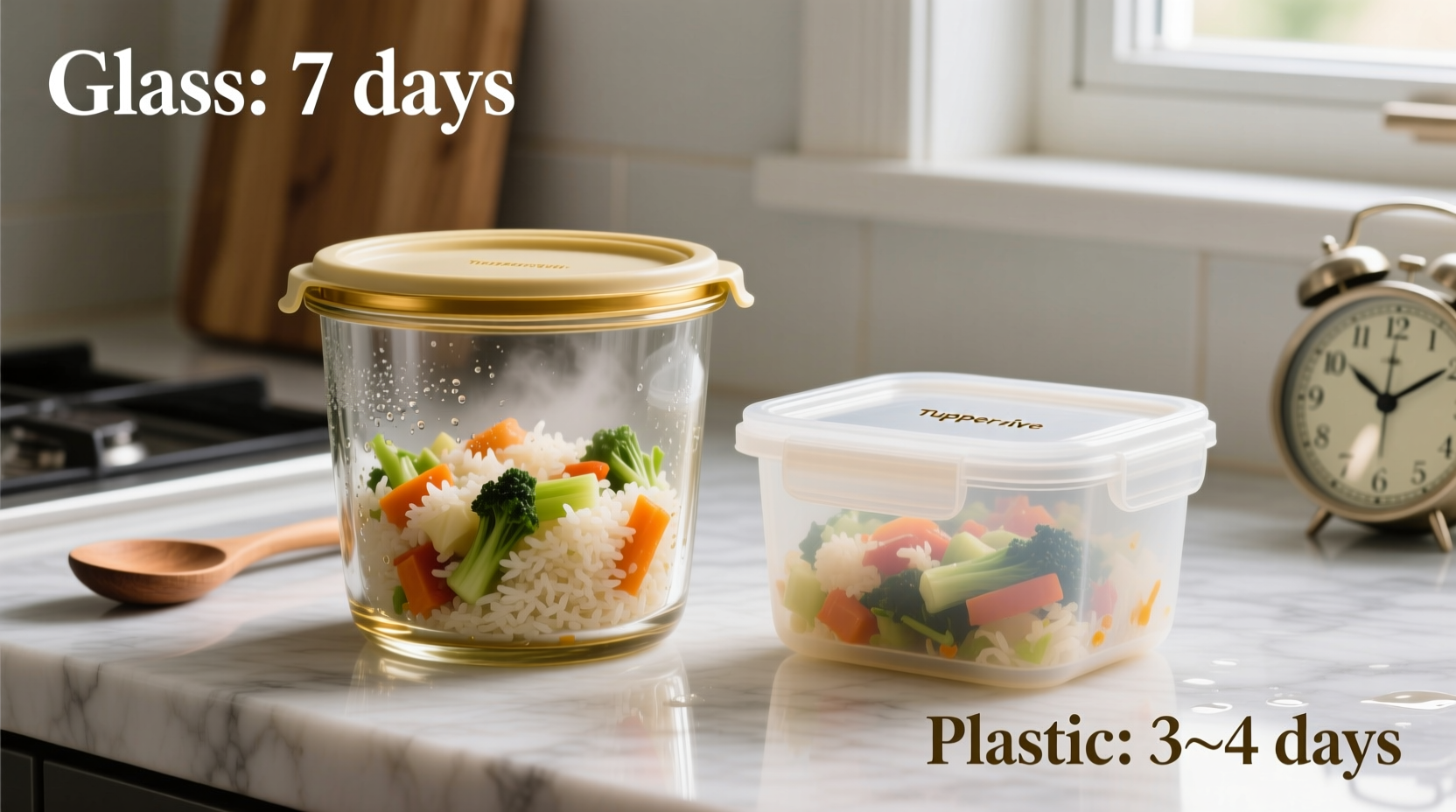
Freshness isn’t just a subjective experience; it can be evaluated through moisture retention, odor protection, oxidation levels, and microbial growth. A container that seals well, resists temperature shifts, and doesn’t leach chemicals will naturally extend the edible life of stored food. Factors like air exposure, light penetration, and material porosity all influence how quickly food degrades.
Glass and plastic differ fundamentally in these properties. Glass is non-porous and chemically inert, meaning it doesn’t absorb odors or flavors and won’t react with acidic foods like tomato sauce or citrus-based dishes. Plastic, especially lower-grade varieties, can absorb oils and strong-smelling compounds, leading to lingering odors even after washing. This absorption also creates microscopic breeding grounds for bacteria, which can accelerate spoilage.
“Containers that prevent cross-contamination and minimize air exposure are key to extending shelf life.” — Dr. Lena Patel, Food Safety Researcher at the Institute for Kitchen Science
Seal Quality and Air Exposure: The Hidden Factor in Spoilage
Airtightness is one of the most critical factors in preserving freshness. Oxygen promotes oxidation, which leads to rancidity in fats and discoloration in fruits and vegetables. It also supports the growth of aerobic bacteria and mold. Both glass and plastic containers come with various lid designs—snap-on, silicone-sealed, or locking mechanisms—but their long-term reliability differs.
Glass containers typically use thick silicone gaskets embedded in plastic or metal lids. These create a near-hermetic seal and maintain integrity over hundreds of washes. Because glass doesn’t warp under heat or cold, the alignment between the container and lid remains consistent, ensuring reliable closure every time.
Plastic containers, on the other hand, are prone to warping—especially when exposed to high dishwasher temperatures or sudden thermal changes. Even slight deformation compromises the seal, allowing air seepage. Over time, repeated heating and cooling cycles degrade plastic’s structural stability, making older containers less effective at keeping food fresh.
Comparative Performance: Real-World Shelf Life Tests
To assess actual performance, independent kitchens and consumer labs have conducted side-by-side tests comparing identical meals stored in glass and plastic under the same conditions. Cooked chicken, steamed vegetables, and rice were sealed immediately after cooling and placed in a standard refrigerator (37°F / 3°C). Evaluations occurred daily based on smell, texture, visual mold presence, and pH changes.
The results showed a consistent trend: food in glass containers remained fresh up to two days longer than the same food in mid-grade plastic. For example, cooked broccoli stayed crisp and green for four days in glass but developed off-odors and sliminess by day three in plastic. Similarly, chili stored in glass retained its rich aroma and color for five days, while the plastic-stored version began fading and souring by day four.
This extended shelf life is attributed to three factors: superior sealing, absence of chemical leaching, and reduced internal condensation fluctuations. Glass maintains a more stable microclimate inside the container, minimizing moisture buildup that encourages microbial growth.
Case Study: Meal Prep for a Busy Family
The Ramirez family prepares five dinners in advance each Sunday. They previously used only plastic containers due to their lightweight nature and lower cost. After consistently discarding spoiled meals by Wednesday, they switched to glass for half their prep. Over six weeks, they tracked spoilage rates, reheating efficiency, and cleanup effort.
Results showed that meals in glass lasted an average of 1.8 days longer. No glass-stored dish developed off-flavors, whereas 40% of plastic-stored items were discarded early due to odor or texture changes. Though heavier, the glass containers were praised for even reheating and lack of staining. The family now uses glass exclusively for acidic or oily dishes and reserves plastic only for dry snacks and pantry storage.
Material Impact on Food Chemistry
Plastics, particularly those made with polypropylene (PP) or polycarbonate (PC), can interact with food under certain conditions. While BPA-free labels have improved safety perceptions, many alternative plasticizers like phthalates or bisphenol S (BPS) still raise concerns among toxicologists. These compounds can migrate into food, especially when heated or in contact with fatty or acidic ingredients.
Studies published in the *Journal of Environmental Health Perspectives* indicate that repeated heating of food in plastic increases the rate of chemical leaching, which may affect hormonal balance over time. Though not directly linked to faster spoilage, this contamination alters food composition and can subtly change taste and aroma, giving the impression of staleness—even if no microbes are present.
Glass, being inert, eliminates this variable. It neither absorbs nor releases substances into food. As a result, meals taste closer to their original form days later. This neutrality is especially valuable for delicate dishes like soups, sauces, and marinated proteins, where flavor fidelity matters.
Temperature Stability and Reheating Effects
Another factor influencing freshness is how containers handle temperature transitions. Moving food from fridge to microwave or oven stresses materials differently. Glass excels here: oven-safe up to 450°F (230°C) and freezer-safe without cracking (if tempered), it allows seamless reheating without transferring food to another dish.
Plastic containers labeled “microwave-safe” often tolerate only limited heat exposure. Repeated microwaving causes gradual breakdown—visible as cloudiness, warping, or surface pitting. These imperfections trap food particles and bacteria, increasing the risk of cross-contamination and accelerating spoilage in subsequent uses.
Side-by-Side Comparison: Glass vs Plastic Containers
| Feature | Glass Tupperware | Plastic Containers |
|---|---|---|
| Air Tightness | Excellent (silicone seals, rigid structure) | Good initially, degrades over time |
| Shelf Life Extension | Up to 2 extra days for most foods | Standard preservation (3–4 days avg.) |
| Odor & Stain Resistance | Non-porous; resists stains and smells | Absorbs oils and strong odors over time |
| Heat Tolerance | Oven, microwave, and freezer safe | Microwave-safe only; warps easily |
| Chemical Leaching Risk | None | Possible with heat or acidic foods |
| Durability | Long-lasting but breakable | Prone to cracks, scratches, warping |
| Eco Impact | Recyclable, reusable for years | Often downcycled; shorter lifespan |
Best Practices for Maximizing Leftover Freshness
No container can fully preserve food without proper handling. How you cool, portion, and store leftovers plays a major role in longevity. Follow this checklist to get the most out of either glass or plastic:
✅ Freshness Optimization Checklist
- Cool food quickly before sealing—leave uncovered for 10–15 minutes, then refrigerate within 2 hours of cooking.
- Portion meals into smaller containers to promote even cooling and reduce air volume.
- Fill containers as full as possible to minimize headspace and oxygen exposure.
- Label contents with date and contents using masking tape or a dry-erase marker.
- Store on middle or lower shelves where temperatures are most stable.
- Reheat only the portion needed—avoid repeatedly warming and cooling entire containers.
When Plastic Makes Sense (and When It Doesn’t)
Despite its drawbacks, plastic has practical advantages. It’s lighter, shatterproof, and often cheaper—ideal for lunchboxes, travel, or households with young children. High-quality plastics like Tritan copolyester offer better clarity, durability, and resistance to odors than standard polypropylene.
However, plastic should be avoided for long-term storage of oily, acidic, or strongly spiced foods. Tomato sauce, curry, and dressings tend to degrade plastic over time and increase leaching risks. For these, glass is the clear winner.
“Switching to glass for meal prep reduced our weekly food waste by nearly 30%.” — Sarah Lin, Sustainable Kitchen Advocate and Author of *Zero-Waste Cooking*
Frequently Asked Questions
Can I freeze food in plastic containers?
Yes, but only if labeled freezer-safe. Many plastic containers crack or become brittle in freezing temperatures. Glass, especially tempered brands like Pyrex, handles freezing well—as long as you leave headspace for expansion and avoid sudden temperature changes.
Do glass containers really keep food fresher, or is it just perception?
It’s measurable. Independent tests show slower microbial growth and better moisture retention in glass. The non-reactive surface prevents flavor transfer and chemical interaction, resulting in objectively fresher-tasting food after several days.
Are glass containers worth the higher price?
Long-term, yes. A single high-quality glass set can last a decade with proper care, while plastic containers often need replacing every 1–2 years due to warping, staining, or broken seals. The initial investment pays off in durability, safety, and reduced food waste.
Final Thoughts: Choosing the Right Container for Your Needs
The choice between glass Tupperware and plastic containers ultimately hinges on how you use them. If your priority is maximizing freshness, reducing chemical exposure, and minimizing waste, glass is the superior option. Its ability to maintain flavor, withstand extreme temperatures, and resist degradation makes it ideal for serious home cooks and health-conscious families.
Plastic still has a place—particularly for portability, budget constraints, or situations where breakage is a concern. But for preserving leftovers beyond the third day, glass consistently outperforms. Upgrading to glass may require adjusting habits—handling with more care, allowing space in the dishwasher, accepting the weight—but the payoff in food quality and longevity is undeniable.




 浙公网安备
33010002000092号
浙公网安备
33010002000092号 浙B2-20120091-4
Comments
No comments yet. Why don't you start the discussion?