
Choosing the right iPhone case isn’t just about protection—it’s a daily interaction with your device. Between glitter cases that sparkle under every light and matte ones that exude understated elegance, the decision often comes down to aesthetics, grip, and maintenance. One persistent complaint about matte cases is their tendency to show fingerprints. But is it really as bad as users claim? And how do they stack up against flashy glitter alternatives? Let’s break down the realities behind these two popular styles.
The Look and Feel: Glitter vs Matte
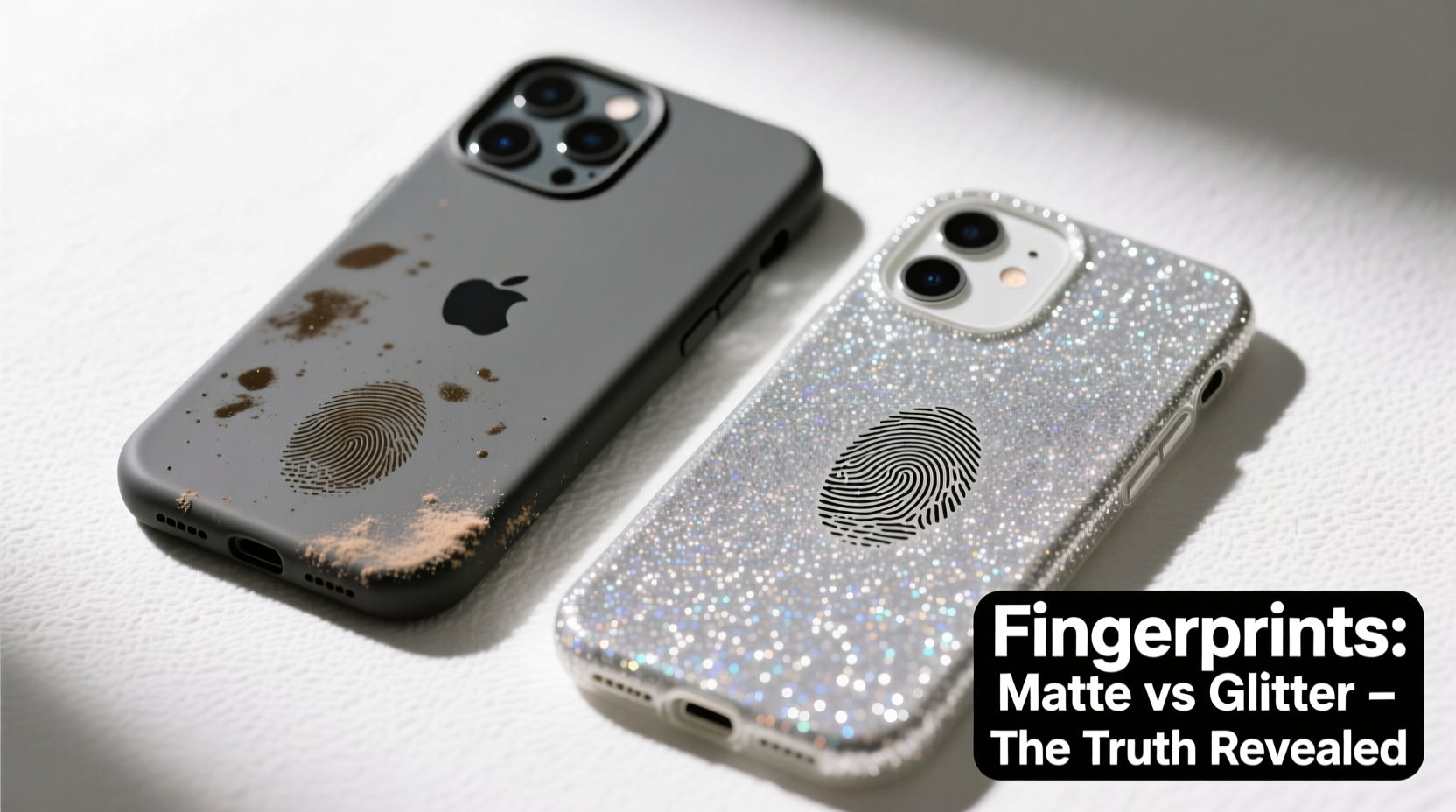
At first glance, glitter cases command attention. Their shimmering surface catches light dramatically, making them ideal for those who want their phone to stand out in a crowd. Whether embedded with micro-glitter or layered with holographic effects, these cases deliver a bold fashion statement. They’re especially popular among younger users and those who treat their phone as an accessory.
Matte cases, on the other hand, offer a sleek, modern aesthetic. The non-reflective finish gives off a minimalist vibe, often associated with sophistication and professionalism. Many premium brands use matte textures in their product design for this very reason. The soft-touch coating also improves grip, reducing the likelihood of accidental drops.
However, the smooth texture of matte cases has a downside: oils from fingers transfer easily, leaving visible smudges. Over time, repeated contact can create a hazy film across the surface, dulling its original appearance. This leads many to question whether the elegant look is worth the constant cleaning.
Fingerprint Resistance: Myth vs Reality
The idea that matte cases “show every fingerprint” is both true and exaggerated. While they don’t reflect light like glossy surfaces—meaning smudges aren’t glaringly obvious—they do retain oily residues more visibly than textured or rubberized cases. What appears as a “fingerprint” is actually a combination of skin oils, sweat, and dust accumulation.
Unlike glossy plastics, which repel oils temporarily, matte coatings absorb minute amounts of residue into their micro-textured surface. This makes the smudge less shiny but more persistent. Over days, if uncleaned, these marks blend into a uniform haze, particularly along the edges where fingers rest.
Glitter cases, despite their busy surface, are surprisingly resistant to showing fingerprints. The reflective particles scatter light, effectively camouflaging minor smudges. Even when touched frequently, the visual impact is minimal because the eye focuses on the sparkle, not the oil.
“Fingerprint visibility isn’t just about material—it’s about contrast. Matte black shows oils more than navy or charcoal, while glitter disrupts perception through diffusion.” — Jordan Lee, Product Design Analyst at Mobile Accessory Labs
Comparison Table: Glitter vs Matte Cases
| Feature | Glitter Case | Matte Case |
|---|---|---|
| Fingerprint Visibility | Low – smudges blend into sparkle | High – oils leave visible haze |
| Durability | Moderate – glitter can flake over time | High – scratch-resistant coating lasts longer |
| Grip | Fair – smooth surface may slip | Excellent – soft-touch enhances hold |
| Aesthetic Longevity | Declines – glitter fades or peels | Stable – maintains color and texture |
| Cleaning Ease | Easy – wipe with damp cloth | Requires care – avoid harsh chemicals |
Real-World Example: Office Worker vs College Student
Consider two users: Maya, a marketing executive who values professionalism, and Leo, a college student who loves bold self-expression.
Maya uses a matte black iPhone case. She appreciates its slim profile and secure grip during meetings. However, after a few hours of typing emails and scrolling through presentations, she notices faint smudges along the sides. By mid-afternoon, the back has a cloudy appearance. She keeps a microfiber cloth in her desk drawer and wipes it down before client calls—a small habit that keeps her device looking polished.
Leo owns a rose-gold glitter case. He carries his phone everywhere—between classes, in his backpack, and while snacking at the cafeteria. Despite frequent handling and occasional drops, the case still looks vibrant. Smudges are barely noticeable thanks to the reflective particles. After three months, some glitter near the corners has started to chip, but overall, it retains its charm.
Their experiences highlight a key insight: lifestyle determines case performance. For low-to-moderate use with attention to detail, matte wins on sophistication. For high-impact, expressive use, glitter offers forgiving aesthetics—even if longevity lags.
Maintenance Tips for Both Types
No case stays pristine without care. Here’s how to extend the life of each:
- For matte cases: Use a dry microfiber cloth daily. For deeper cleaning, lightly dampen the cloth with water (never spray directly). Let air dry completely before reattaching the phone.
- For glitter cases: Wipe with a slightly damp cloth to remove dirt. If glitter starts peeling, consider replacing the case—peeling accelerates once begun.
- General rule: Remove the case weekly to clean both the phone and interior. Dust buildup can scratch the device and reduce grip.
Step-by-Step: Weekly Deep Clean Routine
- Remove the case from your iPhone.
- Use compressed air to blow dust from ports and edges.
- Wipe the phone with a lint-free cloth slightly moistened with water.
- For matte cases: Gently rub the exterior with a dry microfiber cloth. If needed, use a cloth dampened with water only—no soap.
- For glitter cases: Dampen a soft cloth with mild soapy water, wipe, then dry immediately.
- Allow all components to air dry for 5–10 minutes before reassembling.
FAQ: Common Questions About iPhone Case Finishes
Do matte cases yellow over time?
Most high-quality matte cases are made from polycarbonate or TPU with anti-yellowing treatments. However, prolonged exposure to UV light and oils can cause discoloration, especially in clear matte variants. Solid colors are less prone to visible yellowing.
Can I fix a sticky matte finish?
If a matte case feels tacky or sticky, it’s likely due to degraded coating or oil absorption. Cleaning with a tiny amount of isopropyl alcohol (on a cloth, not sprayed) may restore it temporarily, but replacement is often the best solution.
Are glitter cases bad for the environment?
Traditional glitter contains microplastics, which are non-biodegradable. Some brands now offer eco-glitter made from cellulose, derived from sustainable sources. Check product labels for biodegradable options if environmental impact is a concern.
Final Thoughts: Choosing Based on Your Lifestyle
The debate between glitter and matte iPhone cases isn’t just about fingerprints—it’s about priorities. If you value a clean, professional appearance and don’t mind a quick daily wipe-down, a matte case delivers lasting elegance and superior grip. Its subtle finish ages gracefully with proper care.
If you prioritize fun, durability against smudges, and don’t mind eventual cosmetic wear, a glitter case offers playful resilience. It hides everyday grime well and withstands chaotic routines, though it may lose sparkle over time.
In the end, the “fingerprint problem” on matte cases is manageable, not insurmountable. It’s less about the flaw and more about the routine you’re willing to adopt. With a microfiber cloth and a minute of attention each day, even the most oil-prone matte case can stay sleek and functional.




 浙公网安备
33010002000092号
浙公网安备
33010002000092号 浙B2-20120091-4
Comments
No comments yet. Why don't you start the discussion?