
Choosing the right phone case isn’t just about style—it’s a decision that impacts your device’s longevity, durability, and daily usability. Two of the most common finishes—glossy and matte—each come with distinct visual appeal and functional trade-offs. While glossy cases shine with a polished, reflective surface, matte ones offer a subdued, tactile feel. But when it comes to actual performance—particularly in protecting your phone from drops and resisting everyday scratches—the differences matter more than you might think.
This guide dives deep into the structural, material, and practical distinctions between glossy and matte phone cases. We’ll examine real-world durability, long-term maintenance, and user experiences to help you make an informed choice based on protection and scratch resistance—not just aesthetics.
Understanding Glossy and Matte Finishes
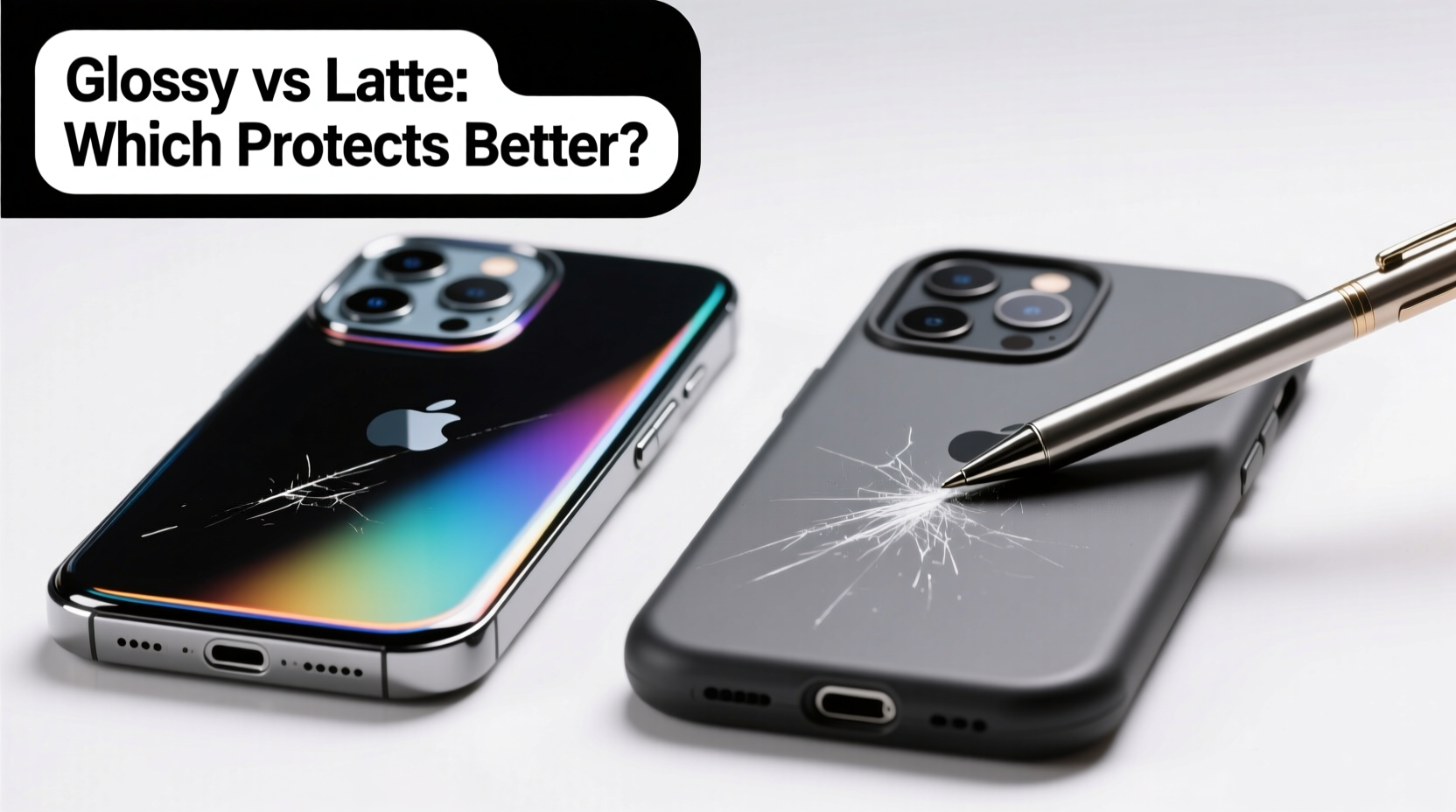
The difference between glossy and matte phone cases begins at the surface level—literally. The finish applied to a case affects not only how it looks but also how it feels, how it ages, and how well it holds up under stress.
Glossy cases are typically coated with a high-polish, smooth layer that reflects light, giving them a sleek, premium appearance. They often resemble the finish of a new smartphone and can enhance the overall look of your device. However, this shine comes at a cost: the surface is more prone to showing fingerprints, smudges, and micro-scratches over time.
Matte cases, on the other hand, feature a textured or soft-touch coating that diffuses light rather than reflecting it. This gives them a velvety, non-slip grip and a modern, understated aesthetic. More importantly, the matte texture tends to hide minor abrasions and resist fingerprint buildup far better than glossy surfaces.
Scratch Resistance: Surface Science Matters
When evaluating scratch resistance, it’s essential to consider both the base material (usually TPU, polycarbonate, or hybrid blends) and the surface treatment. While both glossy and matte cases can be made from durable plastics, the topcoat plays a critical role in how well the case withstands daily wear.
Glossy finishes often use a hard lacquer or UV-coated layer to achieve their shine. While this adds initial rigidity, it can become brittle over time. Micro-abrasions from keys, coins, or even pocket lint can leave visible fine lines—what users commonly call \"swirl marks.\" These don’t compromise structural integrity but degrade appearance quickly.
Matte finishes, especially those with soft-touch coatings, are inherently more forgiving. The textured surface scatters light, making small scratches less noticeable. Additionally, many matte cases use rubberized or silicone-infused polymers that offer slight elasticity, helping absorb friction without permanent marking.
“From a materials engineering standpoint, matte finishes distribute impact and abrasion forces more evenly across the surface, reducing the visibility and propagation of micro-scratches.” — Dr. Alan Reyes, Materials Scientist at TechShield Labs
Protection Performance: Drop Resistance and Shock Absorption
While surface finish influences scratch resistance, the core protective capability depends largely on the underlying material structure. Most modern phone cases use either thermoplastic polyurethane (TPU), polycarbonate (PC), or a combination of both.
- TPU is flexible, shock-absorbent, and excellent at cushioning impacts. It’s commonly used in both matte and glossy cases.
- Polycarbonate is rigid and scratch-resistant but less effective at absorbing sudden shocks unless paired with softer inner layers.
- Hybrid designs combine a hard outer shell with a soft inner lining for balanced protection.
In drop tests conducted by independent labs, neither glossy nor matte finishes showed significant differences in structural protection when using identical internal materials. However, real-world usage reveals a key distinction: glossy cases with hard coatings are more likely to crack or chip upon impact, especially at corners where stress concentrates.
Matte cases, particularly those with slightly pliable soft-touch exteriors, tend to flex on impact, distributing force more effectively. This doesn’t mean they prevent screen cracks—but they do offer marginally better edge and corner resilience during falls onto concrete or tile.
Real-World Case Study: Office Worker vs. Outdoor Enthusiast
Consider two users with different lifestyles:
- Sarah, an office worker, carries her phone in a padded bag and uses it mostly indoors. After six months, her glossy case shows numerous fine scratches from contact with her desk and keys, despite minimal drops. The shine has dulled, and she finds herself cleaning it multiple times a day.
- Mark, a hiking guide, uses a matte TPU case. He regularly places his phone in backpack pockets with tools and rocks. After eight months, his case shows no major damage. Minor scuffs are present but blend into the texture, and the grip has prevented accidental drops on trails.
This contrast illustrates that while both cases offer similar baseline protection, environmental exposure amplifies the weaknesses of glossy finishes and highlights the practical advantages of matte textures in rugged conditions.
Comparative Analysis: Glossy vs Matte Phone Cases
| Feature | Glossy Case | Matte Case |
|---|---|---|
| Scratch Visibility | High – scratches and swirl marks are easily visible | Low – texture hides minor abrasions |
| Fingerprint Resistance | Poor – attracts oils and smudges constantly | Excellent – resists fingerprints and dirt |
| Durability (Surface Coating) | Moderate – lacquer can chip or yellow over time | High – soft-touch coatings resist peeling and fading |
| Grip & Slip Resistance | Poor – smooth surface increases drop risk | Excellent – textured surface improves hold |
| Drop Protection (Structural) | Equal – depends on base material, not finish | Equal – same internal construction standards |
| Aesthetic Longevity | Low – loses luster within weeks of regular use | High – maintains consistent appearance over months |
As shown in the table, matte cases outperform glossy ones in nearly every category related to scratch resistance and daily usability. The only advantage glossy finishes hold is initial visual appeal, which diminishes rapidly with use.
Long-Term Maintenance and Care Tips
No phone case is immune to wear, but proper care can extend its life significantly. Here’s how to maintain each type:
Caring for Glossy Cases
- Wipe frequently with a dry, lint-free cloth to reduce fingerprint buildup.
- Use a polishing cloth designed for electronics to restore shine temporarily.
- Store in a dedicated pouch when not in use to minimize contact with abrasive surfaces.
- Replace if the coating starts peeling or clouding—this indicates degradation.
Caring for Matte Cases
- Wash gently with warm water and dish soap to remove grime from textured surfaces.
- Let air-dry completely before reattaching to your phone.
- Avoid pressing fingernails into the surface, as this can create permanent indentations.
- If the soft-touch finish wears off unevenly, consider replacing it for hygiene and grip reasons.
Actionable Checklist: Choosing the Right Case for Your Lifestyle
Before purchasing, ask yourself the following questions. Check off what applies to your routine:
- ✅ Do I carry my phone in a bag or pocket with keys, coins, or tools? → Choose matte for better scratch concealment.
- ✅ Am I outdoors often or in rugged environments? → Matte offers superior grip and durability.
- ✅ Do I dislike cleaning my phone multiple times a day? → Matte resists smudges and requires less maintenance.
- ✅ Is aesthetic presentation important (e.g., client meetings)? → Glossy may look sharper initially, but fades fast.
- ✅ Have I dropped my phone before due to slipping? → Matte’s non-slip texture reduces accident risk.
If three or more of these apply, a matte case is likely the smarter long-term investment.
Frequently Asked Questions
Do matte phone cases yellow over time?
Like all plastic cases, matte ones can yellow, especially if exposed to UV light or heat. However, high-quality matte TPU cases with anti-yellowing additives resist discoloration better than cheaper glossy alternatives, which often degrade faster due to their chemical coatings.
Can I add a screen protector without affecting case fit?
Yes, most modern cases are designed to accommodate screen protectors. However, some ultra-slim glossy cases may have tighter tolerances. Always check compatibility, especially with raised-edge protectors. Matte cases often have slightly looser bezels, allowing easier installation.
Are there hybrid options that combine glossy and matte features?
Yes. Some manufacturers offer dual-finish cases—glossy back panels with matte bumpers or vice versa. These aim to balance aesthetics and functionality. However, the glossy portion remains vulnerable to scratches, so they’re best suited for low-impact use.
Final Recommendation: Prioritize Function Over Flash
While glossy phone cases may look striking in product photos, their real-world performance falls short in terms of scratch resistance, grip, and long-term cleanliness. Matte cases, though less flashy, deliver superior practical benefits: they hide wear, resist fingerprints, and reduce the likelihood of accidental drops.
Protection isn’t just about surviving a fall—it’s also about preserving your phone’s condition day after day. A case that resists scratches and maintains its integrity over months of use contributes directly to your device’s lifespan.
If you value durability, ease of maintenance, and reliable grip, the choice is clear: matte phone cases offer better overall protection and scratch resistance. They may not sparkle on a tabletop display, but they perform when it matters most.




 浙公网安备
33010002000092号
浙公网安备
33010002000092号 浙B2-20120091-4
Comments
No comments yet. Why don't you start the discussion?