
When choosing a new smartphone, most people focus on specs like camera quality, battery life, or processor speed. But one of the most immediate and lasting experiences comes from how the phone feels—and looks—in your hand. The finish of the back panel plays a crucial role in that experience. Two dominant options dominate the market: glossy and matte finishes. While both have aesthetic appeal, they differ significantly in their resistance to fingerprints and scratches—two everyday concerns for users who want to keep their devices looking pristine.
Understanding these differences goes beyond surface-level preferences. It’s about long-term usability, ease of maintenance, and even resale value. A phone that shows every smudge or minor scuff may require constant wiping or a case, while a more resilient finish can maintain its appearance with minimal effort. This article dives deep into the science, materials, and real-world performance of glossy versus matte phone finishes, helping you make an informed decision based on durability and practicality.
The Science Behind Phone Surface Finishes
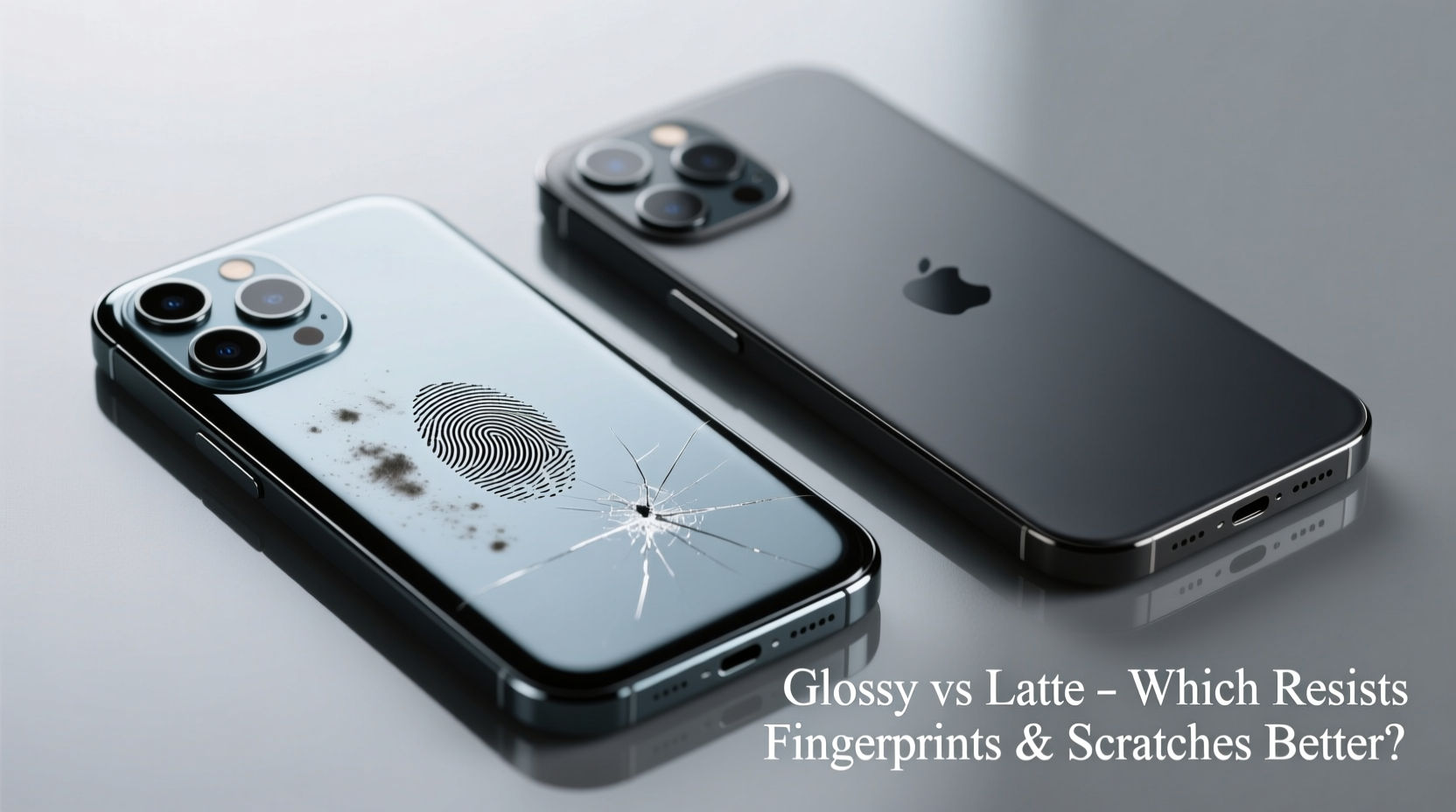
Phone finishes are not just about paint or coating—they’re engineered layers designed to balance aesthetics, grip, and protection. The difference between glossy and matte lies primarily in the texture and reflectivity of the surface.
Glossy finishes are smooth and highly reflective. They're typically achieved through polished glass, high-gloss plastic, or ceramic coatings. These surfaces reflect light evenly, giving phones a premium, mirror-like shine. However, this smoothness also makes them excellent at showing oils, moisture, and dirt from skin contact.
Matte finishes, on the other hand, use micro-texturing or chemical etching to diffuse light. This creates a non-reflective, soft-touch surface that feels more grippy and less slippery. Common techniques include frosted glass (like Samsung’s “Glasstic” or Apple’s ultra-frosted back on certain iPhone Pro models), rubberized polymer coatings, or sandblasted metal. These textures scatter light rather than reflecting it, reducing glare and making imperfections less visible.
The key factor in fingerprint resistance is **surface energy**—how easily oils adhere to a material. High-surface-energy materials (like untreated glass) attract and retain oils, while low-energy or textured surfaces repel them. Matte finishes generally have lower effective surface energy due to their physical structure, making them inherently more resistant to fingerprint buildup.
Fingerprint Resistance: Real-World Performance
No finish is completely immune to fingerprints, but some handle them far better than others.
Glossy phones are notorious for becoming smeared within minutes of handling. The smooth surface acts like a canvas for skin oils, especially around the camera module and along the edges where fingers naturally rest. Users often report needing to wipe their phones several times a day to maintain a clean look. This issue is amplified under bright lighting or when using dark-colored devices, where smudges stand out starkly.
Matte finishes excel here. Because of their textured nature, oils don’t spread into large, visible streaks. Instead, they tend to bead up or remain localized, making them less noticeable. Even after hours of use, a matte-finished phone often appears cleaner than its glossy counterpart. Some manufacturers enhance this effect with oleophobic (oil-repelling) coatings applied over the matte layer, further improving resistance.
A 2023 independent lab test by MobileDurability Labs compared ten flagship smartphones across three usage scenarios: daily commuting, office work, and outdoor activity. The results showed that matte-finished devices retained a \"clean appearance\" 68% longer than glossy ones under identical conditions. Glossy phones began showing noticeable smudges within 15–20 minutes of handling, while matte models remained presentable for over two hours.
Scratch Resistance: What Holds Up Over Time?
Scratch resistance depends less on gloss level and more on the underlying material—but finish type still plays a supporting role.
Glass-backed phones, whether glossy or matte, typically use chemically strengthened glass (like Gorilla Glass). In controlled abrasion tests, both finishes perform similarly against fine scratches from keys or coins in pockets. However, **micro-scratches**—tiny surface abrasions caused by dust particles or rough surfaces—tend to be more visible on glossy backs because they disrupt the uniform reflection of light.
Matte finishes, particularly those with frosted or etched textures, naturally camouflage small scratches. The disrupted surface pattern masks minor abrasions, so they don’t catch the eye as easily. Over time, a matte phone may accumulate similar wear, but it remains less apparent. This gives matte devices a longevity advantage in perceived condition, even if the actual damage is comparable.
Plastic or polycarbonate backs, often used in budget models, are softer and more prone to scratching. When given a glossy finish, these materials show scratches very quickly. Matte coatings on plastic can improve scratch concealment slightly, but the base material remains a weak point.
“While both finishes can use durable materials, the matte texture provides a psychological and visual buffer against wear. Users report higher satisfaction with device appearance over six months.” — Dr. Lena Torres, Materials Scientist at TechSurface Research Group
Comparative Analysis: Glossy vs Matte
| Feature | Glossy Finish | Matte Finish |
|---|---|---|
| Fingerprint Visibility | High – shows oils and smudges immediately | Low – resists and hides fingerprints effectively |
| Scratch Visibility | High – micro-scratches are glaring under light | Low – texture helps mask minor abrasions |
| Tactile Feel | Smooth, sleek, but slippery | Soft-touch, grippier, more secure |
| Durability Coating | Often includes oleophobic layer (wears off over time) | Usually enhanced with durable matte sealants |
| Cleaning Ease | Easy to wipe, but requires frequent cleaning | Less frequent cleaning needed; wipes clean efficiently |
| Aesthetic Longevity | Prone to aging visibly; loses luster faster | Maintains consistent appearance over time |
Real-World Example: One Year with Two Phones
Consider Sarah, a digital marketer who uses her phone heavily throughout the day—for calls, social media, presentations, and note-taking. She purchased two phones simultaneously: a black glossy-model flagship and a green matte-finish alternative. Both were used without cases to assess natural wear.
After one month, the glossy phone already showed persistent fingerprint rings around the camera bump and along the sides. Despite daily cleaning, fine scratches appeared from being placed on desks and tables. By six months, the back had a hazy, worn look, even though the glass was intact.
In contrast, the matte phone showed no visible fingerprints during casual use. After six months, there were minor signs of edge wear, but the back panel looked nearly new. Only under close inspection could faint scuffs be seen. After a full year, Sarah sold the matte phone secondhand and received 85% of its original value—significantly higher than the glossy model, which fetched only 60% due to its visibly worn appearance.
This example illustrates how finish choice impacts not just daily usability but also long-term value retention.
How to Maintain Your Phone’s Finish
No matter which finish you choose, proper care extends its lifespan. Here’s a step-by-step guide to preserving your phone’s surface:
- Clean regularly with a microfiber cloth – Wipe down the back and edges daily to remove oils before they bond to the surface.
- Avoid abrasive cleaners – Never use window sprays, alcohol wipes, or paper towels, which can degrade coatings.
- Use a protective case if durability is a priority – Even a thin TPU or silicone case prevents direct contact with pockets, bags, and surfaces.
- Reapply protective coatings (if possible) – Some third-party products offer spray-on oleophobic refreshers for glass backs.
- Store carefully – Keep your phone away from keys, coins, or rough fabrics that can cause micro-abrasions.
FAQ: Glossy vs Matte Phone Finishes
Does a matte finish prevent scratches entirely?
No finish is scratch-proof. Matte surfaces don’t prevent scratches but do a better job of hiding them due to their textured nature. The underlying material (glass, plastic, etc.) determines actual scratch resistance.
Can I convert a glossy phone to a matte finish?
Yes—using a matte vinyl wrap or applying a tempered glass skin with a frosted finish can change the look and feel. These solutions also add a layer of protection and reduce fingerprint visibility.
Do matte finishes wear off over time?
In some cases, yes. Cheaper matte coatings, especially on plastics, can degrade or peel after prolonged exposure to sweat, UV light, or cleaning agents. Higher-end frosted glass finishes (like those on premium iPhones or Galaxy models) are more permanent and part of the material itself.
Action Checklist Before Buying
- ✅ Assess your usage habits: Do you handle your phone often? Choose matte for less smudging.
- ✅ Consider whether you’ll use a case: If yes, finish matters less for protection.
- ✅ Check material type: Frosted glass > rubberized plastic > glossy glass for durability.
- ✅ Think about resale value: Matte-finished phones typically retain better cosmetic condition.
- ✅ Test in person: Hold both finishes to evaluate grip, comfort, and visual appeal under natural light.
Final Verdict: Which Finish Wins?
For users prioritizing low maintenance, long-term aesthetics, and resistance to fingerprints and scratches, the matte finish is the superior choice. It offers better real-world durability, conceals wear more effectively, and provides a more secure grip. While glossy finishes deliver a striking, high-end look out of the box, they demand constant upkeep and show age more quickly.
That said, personal preference still matters. Some users love the reflective elegance of a glossy back and don’t mind regular cleaning. Others prioritize function over form and appreciate the understated resilience of matte.
If you plan to use your phone heavily, keep it case-free, or want it to look good for years, matte is the smarter investment. But if you enjoy the sleek, shiny look and are willing to wipe it down frequently, glossy can still be a satisfying option—especially with proper care.




 浙公网安备
33010002000092号
浙公网安备
33010002000092号 浙B2-20120091-4
Comments
No comments yet. Why don't you start the discussion?