
Bathroom gnats are more than a minor annoyance—they’re a sign that something in your environment is off. These tiny, persistent insects hover around sinks, showers, and drains, often appearing without warning. While they don’t bite or carry serious diseases, their presence can indicate excess moisture, organic buildup, or poor sanitation. Understanding why they’re there and how to remove them effectively is essential for maintaining a clean, healthy home.
Why Gnats Are Drawn to Your Bathroom
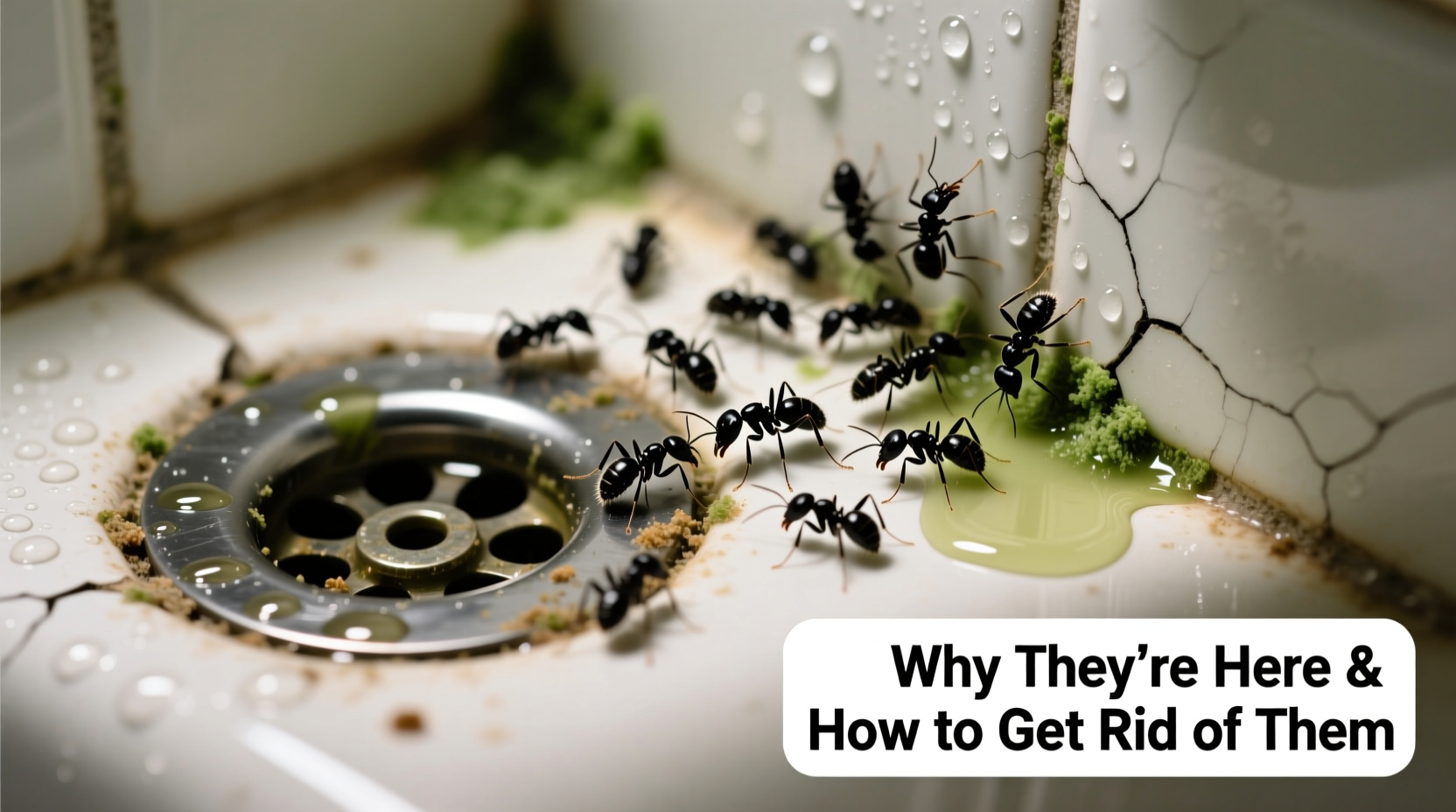
Gnats—commonly fungus gnats, drain flies, or moth flies—are attracted to damp, dark environments rich in organic matter. The bathroom offers all three: consistent moisture from showers and sinks, humidity trapped in grout and caulking, and decomposing hair, soap scum, and biofilm in drains. Unlike fruit flies, which gravitate toward overripe produce, bathroom gnats thrive in wet surfaces and decaying material within plumbing systems.
Fungus gnats, for example, lay eggs in moist organic debris. Their larvae feed on fungi and bacteria growing in damp areas like under sink traps or behind toilet bases. Drain flies (often mistaken for gnats) breed in the gelatinous film lining pipes. This “slime layer” is made up of bacteria, hair, grease, and dead skin cells—ideal conditions for reproduction.
“Persistent gnat infestations usually trace back to hidden moisture sources or neglected drain maintenance.” — Dr. Lena Torres, Urban Entomologist
How to Identify the Type of Gnat in Your Bathroom
Not all small flying insects are the same. Correct identification determines the best elimination strategy. Here’s a quick guide:
| Type | Appearance | Habitat Clues | Lifespan |
|---|---|---|---|
| Fungus Gnats | Slender, black, mosquito-like with long legs | Near potted plants, floor drains, wet soil | 7–10 days adult; 3 weeks total |
| Drain Flies (Moth Flies) | Fuzzy, grayish, moth-shaped wings held roof-like | Cling to walls near showers, bathtubs, sinks | 1–2 weeks adult |
| Fruit Flies | Red eyes, tan body, about 3mm long | Rare in bathrooms unless near trash or cosmetics with fruit extracts | 8–10 days |
If you're unsure, place a piece of tape over a drain overnight (sticky side down). If small, fuzzy insects stick to it by morning, you likely have drain flies. Slender, agile fliers suggest fungus gnats.
Step-by-Step Guide to Eliminate Bathroom Gnats
Getting rid of bathroom gnats requires targeting both adults and larvae. A single treatment won't suffice—consistent follow-up is key. Follow this five-day timeline for lasting results:
- Day 1: Clean & Inspect
Remove standing water, wipe down tiles, shower curtains, and baseboards. Check for leaks under sinks and behind toilets. Scrub visible mold or mildew with vinegar or hydrogen peroxide. - Day 2: Clear Drains
Pour ½ cup baking soda followed by 1 cup white vinegar into each drain. Let sit for 15 minutes, then flush with boiling water. Repeat weekly to prevent regrowth. - Day 3: Set Traps
Create apple cider vinegar traps: Fill a jar with ¼ cup vinegar, a drop of dish soap, and cover with plastic wrap punctured with small holes. Place near affected areas. Replace every 48 hours. - Day 4: Treat Larvae
Use an enzymatic drain cleaner (like Bio-Clean) to dissolve organic sludge without damaging pipes. Avoid chemical drain openers—they may kill adults but leave biofilm intact. - Day 5: Prevent Recurrence
Install mesh drain covers, run exhaust fans during and after showers, and keep lids closed on trash cans. Wipe wet surfaces daily.
Common Mistakes That Make the Problem Worse
- Using only surface sprays: Aerosols kill adult gnats but do nothing to eggs or larvae in drains.
- Ignoring overflow drains: The small hole near sink rims often accumulates gunk and breeds gnats.
- Overlooking houseplants: Potted plants in bathrooms can host fungus gnats if the soil stays too wet.
- Skipping ventilation: Without proper airflow, humidity lingers, creating ideal breeding grounds.
A real case illustrates this well: Sarah in Portland noticed gnats returning monthly despite deep cleaning. After inspection, she discovered a cracked caulk line behind her tub where water seeped into the wall, feeding mold and gnat larvae. Replacing the sealant and installing a timer-controlled exhaust fan ended the cycle within two weeks.
Prevention Checklist: Keep Your Bathroom Gnat-Free
Consistency beats intensity when preventing gnat infestations. Use this checklist weekly:
- ✅ Pour boiling water down all drains once a week
- ✅ Clean overflow drain holes with an old toothbrush
- ✅ Empty and rinse cosmetic containers that collect moisture
- ✅ Run exhaust fan for at least 20 minutes after each shower
- ✅ Check under sinks for condensation or leaks
- ✅ Replace shower curtains if mildew appears
- ✅ Keep bathroom doors open when not in use for air circulation
“Prevention isn’t about perfection—it’s about interrupting the gnat lifecycle before it takes hold.” — National Pest Management Association
FAQ: Common Questions About Bathroom Gnats
Can bathroom gnats come from the sewer?
Possibly. If your home has a dry P-trap (the U-shaped pipe under sinks), sewer gases—and sometimes pests—can rise into the bathroom. Running water regularly reseals the trap and prevents this.
Are bathroom gnats harmful to humans?
No, they don’t bite or transmit disease. However, their presence may worsen allergies or asthma due to increased airborne allergens from mold and organic decay.
How long does it take to get rid of bathroom gnats completely?
With consistent effort, most infestations clear within 2–3 weeks. However, if the source (like a leak or structural issue) remains unresolved, they’ll return.
Conclusion: Take Control Before They Multiply
Gnats in the bathroom are a solvable problem—but only if you address both the symptoms and the root causes. It’s not enough to swat the occasional fly or spray a quick fix. True resolution comes from understanding their habitat, eliminating breeding sites, and maintaining dry, clean conditions.
Start today: inspect one drain, set a vinegar trap, and check for hidden moisture. Small actions compound into lasting change. Share your success story or ask questions in the comments—your experience could help someone else reclaim their bathroom peace.




 浙公网安备
33010002000092号
浙公网安备
33010002000092号 浙B2-20120091-4
Comments
No comments yet. Why don't you start the discussion?