
Bathrooms are among the most common places for gnat infestations in homes. Despite regular cleaning, many people find themselves swatting away tiny flying insects near sinks, showers, or toilets. These pests—often mistaken for fruit flies—are typically drain flies, fungus gnats, or phorid flies thriving in damp, organic-rich environments. Understanding their origin, behavior, and breeding grounds is essential to eliminating them effectively and preventing recurrence.
Why Gnats Appear in Bathrooms
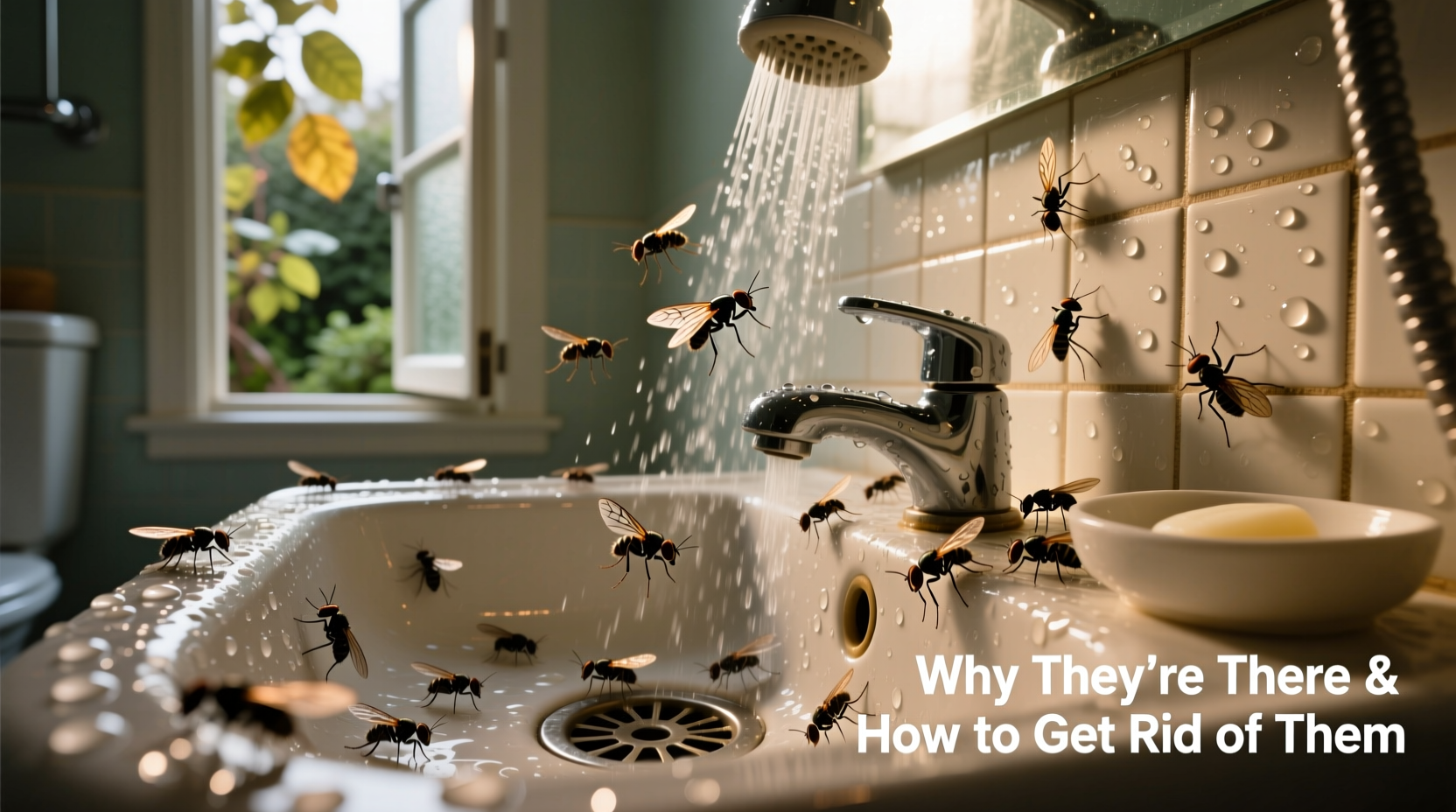
Gnats are attracted to moisture and decaying organic matter—conditions abundantly present in bathrooms. Unlike fruit flies, which originate from overripe produce in kitchens, bathroom gnats usually emerge from drains, overflow pipes, or hidden mold colonies. The most common species found include:
- Drain flies (Psychodidae): Also called moth flies, these fuzzy, dark-colored insects lay eggs in gelatinous biofilm inside pipes.
- Fungus gnats (Sciaridae): Typically associated with houseplants, but can appear if potted plants are kept in humid bathrooms.
- Phorid flies (Humpbacked flies): Often linked to sewage leaks or decomposing material behind walls or under flooring.
The consistent presence of water, combined with hair, soap scum, and skin cells, creates a nutrient-rich environment ideal for larvae development. Even a small amount of standing water in a shower tray or clogged overflow drain can support multiple life cycles.
Step-by-Step Guide to Eliminate Bathroom Gnats
Eradicating gnats requires targeting both adult insects and their breeding sources. A one-time spray won’t solve the problem. Follow this comprehensive 5-day action plan:
- Day 1: Identify Entry Points and Breeding Zones
Inspect all drains, under sinks, around toilet base, and any potted plants. Pour a tablespoon of dish soap into each drain and observe for bubbles or movement—this indicates trapped organic debris. - Day 2: Clean Drains Thoroughly
Remove drain covers and scrub visible sludge with a pipe brush. Flush with boiling water, then apply a mixture of 1/2 cup baking soda and 1 cup vinegar. Let sit for 15 minutes before flushing with hot water. - Day 3: Deploy Traps
Place apple cider vinegar traps near affected areas. Fill a jar with vinegar, add a drop of dish soap, and cover with plastic wrap punctured with small holes. Gnats enter but cannot escape. - Day 4: Address Moisture Sources
Check for leaks under sinks, behind toilets, or near shower valves. Replace cracked caulk and ensure exhaust fans run during and after showers to reduce humidity. - Day 5: Monitor and Repeat if Necessary
If gnats persist, repeat cleaning and extend trap use for another week. Consider using an enzymatic drain cleaner to break down residual biofilm.
Do’s and Don’ts: Effective Gnat Control Practices
| Do’s | Don’ts |
|---|---|
| Use enzymatic drain cleaners monthly | Ignore slow-draining sinks |
| Clean overflow drains on sinks and tubs | Pour bleach frequently (it doesn’t dissolve biofilm long-term) |
| Run bathroom fans for at least 20 minutes post-shower | Let towels or mats stay wet for hours |
| Replace old, cracked caulk around tubs and sinks | Overuse chemical sprays without fixing root causes |
| Keep houseplants in bathrooms only if soil is allowed to dry between waterings | Store damp sponges or loofahs in enclosed spaces |
Real Example: Resolving a Persistent Drain Fly Issue
Sarah, a homeowner in Portland, noticed small moth-like insects hovering near her guest bathroom sink every evening. She tried store-bought sprays and vinegar traps with limited success. After two weeks, the problem worsened. Upon inspection, she discovered that the overflow hole—a small opening along the rim of the sink—was clogged with a thick, slimy residue. Using a bent wire and cotton swabs soaked in hydrogen peroxide, she cleaned the overflow tube thoroughly. She followed up with a baking soda-vinegar flush and installed a mesh drain cover. Within five days, the gnats disappeared and did not return over the next six months.
This case illustrates how easily overlooked plumbing features can become breeding grounds. Many modern sinks have narrow overflow channels that trap moisture and organic waste, making them invisible yet highly effective nurseries for drain flies.
“Most gnat issues in bathrooms aren’t due to poor hygiene—they stem from unseen biofilm in drains. Mechanical cleaning is more effective than chemicals alone.” — Dr. Lena Patel, Urban Entomologist at Pacific Pest Management Institute
Prevention Checklist: Keep Your Bathroom Gnat-Free
Once gnats are gone, maintain a hostile environment for reinfestation. Use this checklist monthly:
- ✅ Flush all drains weekly with boiling water
- ✅ Scrub drain stoppers and overflow openings
- ✅ Run exhaust fans during and 20 minutes after showers
- ✅ Fix dripping faucets or leaking seals immediately
- ✅ Allow bath mats and towels to dry completely
- ✅ Replace silicone caulk showing signs of mold or cracking
- ✅ Limit indoor plants in bathrooms unless soil is well-drained
- ✅ Use a monthly enzymatic drain treatment to prevent biofilm buildup
Frequently Asked Questions
Are bathroom gnats harmful to humans?
No, drain flies and similar gnats do not bite or transmit diseases. However, their presence may indicate unsanitary conditions in plumbing or hidden mold growth, which can affect indoor air quality, especially for individuals with allergies or respiratory sensitivities.
Why do gnats keep coming back even after cleaning?
If gnats return within 7–10 days, it’s likely that larvae remain in inaccessible parts of the drainpipe or behind walls. Biofilm can cling tightly to PVC surfaces, surviving basic cleaning. Enzymatic cleaners or professional hydro-jetting may be necessary for persistent cases.
Can I use bleach to kill gnat larvae in drains?
Bleach is ineffective against gnat larvae embedded in biofilm. While it disinfects surface germs, it doesn’t dissolve the sticky organic layer where eggs and larvae thrive. In fact, frequent bleach use can corrode pipes over time. Opt for enzymatic or mechanical solutions instead.
Final Steps Toward a Lasting Solution
Eliminating bathroom gnats isn’t just about killing adults—it’s about disrupting their lifecycle at the source. Most infestations resolve within 7–14 days when breeding sites are properly addressed. Long-term success depends on consistent maintenance and moisture control. Modern bathrooms are engineered to manage water efficiently, but without proper care, they become ecosystems for unwanted pests.
By integrating simple habits like regular drain maintenance, humidity monitoring, and proactive cleaning, you can make your bathroom inhospitable to gnats year-round. Don’t wait until swarms appear—act at the first sign of a single fly. Prevention is always easier than eradication.




 浙公网安备
33010002000092号
浙公网安备
33010002000092号 浙B2-20120091-4
Comments
No comments yet. Why don't you start the discussion?