
If you’ve noticed tiny flying insects hovering around your kitchen sink, houseplants, or fruit bowl, you’re likely dealing with gnats. These persistent pests are more than just a nuisance—they signal underlying moisture or sanitation issues in your home. While small in size, gnats can multiply rapidly, turning a minor annoyance into a full-blown infestation within days. The good news is that with the right knowledge and strategy, you can eliminate them for good.
Understanding What Attracts Gnats Indoors
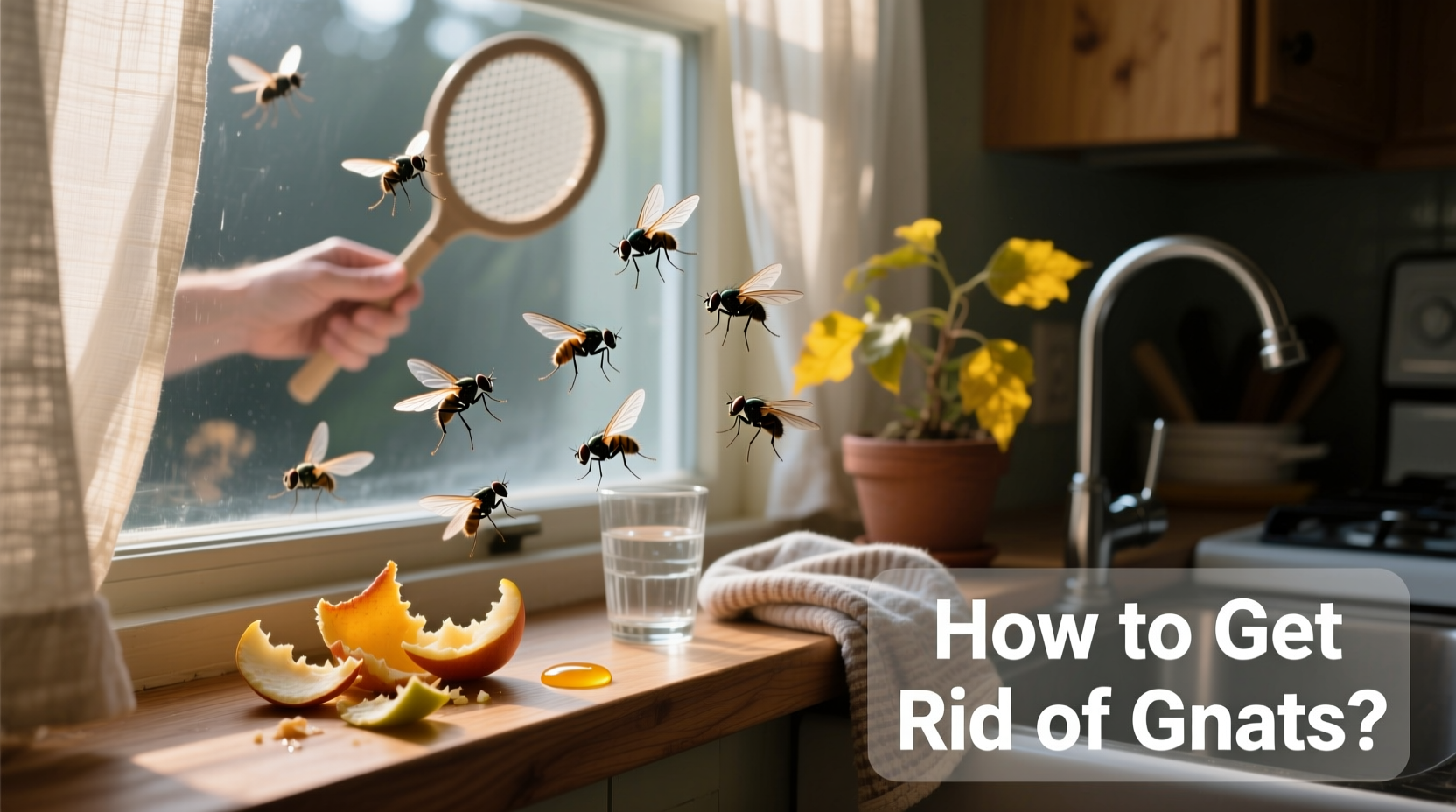
Gnats are drawn to moist, organic environments where they can feed and reproduce. The most common types found indoors include fungus gnats, fruit flies, and drain flies—each with slightly different habits but overlapping attractants. Moisture is the primary factor. Overwatered houseplants, damp drains, rotting fruit, and even spilled drinks create ideal breeding grounds.
Fungus gnats, for example, lay eggs in the top layer of potting soil where fungi thrive. Their larvae feed on organic matter and plant roots, potentially harming young plants. Fruit flies are attracted to fermenting sugars in overripe produce, open wine bottles, or unsealed compost bins. Drain flies breed in the gelatinous film inside sink and shower drains.
Step-by-Step Guide to Eliminate Gnats
Eradicating gnats requires targeting both adults and larvae. A single approach rarely works because it doesn’t address the root cause. Follow this timeline-based method for lasting results:
- Day 1–2: Identify Breeding Zones – Inspect all houseplants, drains, trash cans, and food storage areas. Stick your finger into potting soil—if it feels damp beyond the first inch, it may be harboring larvae.
- Day 3: Dry Out Moist Areas – Let potted soil dry completely between waterings. Place plants in direct sunlight if possible, as dry surface soil discourages egg-laying.
- Day 4: Clean Drains Thoroughly – Pour ½ cup of baking soda followed by 1 cup of vinegar down each drain. Let it foam for 10 minutes, then flush with boiling water. Repeat weekly.
- Day 5: Remove Food Sources – Store ripe fruit in the refrigerator. Discard overripe produce immediately. Seal compost containers tightly.
- Day 6–7: Deploy Traps – Use apple cider vinegar traps (see below) to capture adult gnats and monitor progress.
- Day 8–14: Sustain Prevention Habits – Maintain dry surfaces, inspect new plants before bringing them inside, and clean spills promptly.
Effective DIY Gnat Traps You Can Make Today
Trapping adult gnats reduces the population quickly and helps confirm whether your efforts are working. Here are three reliable homemade solutions:
- Apple Cider Vinegar Trap: Mix ½ cup apple cider vinegar, a few drops of dish soap, and a splash of sugar in a jar. Cover with plastic wrap and poke small holes. The scent attracts gnats; the soap breaks surface tension, causing them to drown.
- Wine or Beer Trap: Pour leftover red wine or beer into a shallow dish with a drop of dish soap. Place near problem areas overnight.
- Potato Slice Method (for larvae): Lay raw potato slices on the soil surface of infested houseplants. Larvae will crawl onto the slices to feed. Remove and discard slices daily for one week.
“Most gnat infestations stem from overlooked moisture sources. Address the environment, not just the insect.” — Dr. Linda Harper, Urban Entomologist at the National Pest Management Association
Do’s and Don’ts When Dealing With Indoor Gnats
| Do’s | Don’ts |
|---|---|
| Let potting soil dry between waterings | Overwater indoor plants |
| Clean drains weekly with natural cleaners | Ignore slow-draining sinks or foul odors |
| Store fruit in sealed containers or the fridge | Leave open drinks or dirty dishes overnight |
| Use sticky traps to monitor gnat activity | Rely solely on sprays without fixing the source |
| Quarantine new houseplants for 7 days | Introduce soil-heavy plants directly into living spaces |
Real Example: How One Homeowner Fixed a Persistent Gnat Problem
Sarah from Portland had battled gnats for weeks. She set traps, replaced fruit, and cleaned her kitchen daily—but the tiny flies kept returning. After consulting a pest control advisor, she discovered the issue wasn’t her fruit bowl or sink, but an overwatered peace lily in the bathroom. The constantly damp soil was teeming with fungus gnat larvae.
She stopped watering the plant for 10 days, repotted it with fresh, well-draining soil, and placed sticky traps nearby. Within a week, gnat sightings dropped by 90%. Two weeks later, they were gone. Sarah now uses a moisture meter for all her houseplants and only waters when necessary.
When to Consider Professional Help
Most gnat problems can be resolved with consistent home care. However, if you’ve followed all preventive steps and still see large numbers after three weeks, there may be a hidden moisture issue—such as a leaky pipe under a sink, mold in walls, or a clogged vent line. In such cases, a licensed pest control technician can conduct a thorough inspection and apply targeted treatments like microbial larvicides (e.g., Bacillus thuringiensis israelensis) that are safe for homes with children and pets.
Additionally, recurring drain fly infestations may require professional hydro-jetting to remove biofilm buildup in pipes—a task beyond typical household cleaning.
Frequently Asked Questions
How long do gnats live inside a house?
Adult gnats typically live 5 to 10 days, but females can lay up to 300 eggs during their short lifespan. This rapid reproduction cycle means populations can explode in under a week if conditions remain favorable.
Can gnats harm my houseplants?
While adult fungus gnats don’t damage plants, their larvae feed on organic material and fine root hairs. In severe infestations, especially in seedlings or weak plants, this can stunt growth or make plants vulnerable to disease.
Are store-bought gnat sprays effective?
Aerosol sprays kill adult gnats on contact but do nothing to stop eggs or larvae. They offer temporary relief but aren’t a long-term solution. For best results, combine sprays with environmental fixes like drying soil and cleaning drains.
Final Checklist for Gnat-Free Living
- Inspect and reduce moisture in houseplant soil
- Clean all drains with baking soda and vinegar weekly
- Store fruits and vegetables in the refrigerator or sealed containers
- Empty and clean trash bins regularly
- Set up vinegar or wine traps in affected areas
- Use sticky traps to monitor progress
- Allow potting soil to dry completely between waterings
- Check for hidden leaks or condensation under appliances
- Quarantine new plants before placing them indoors
- Maintain consistent prevention habits for at least two weeks
Eliminating gnats isn’t about finding the perfect spray—it’s about creating an environment they can’t survive in. By controlling moisture, removing food sources, and interrupting their life cycle, you regain comfort and cleanliness in your home. The key is consistency: once you break their breeding pattern, they won’t return.




 浙公网安备
33010002000092号
浙公网安备
33010002000092号 浙B2-20120091-4
Comments
No comments yet. Why don't you start the discussion?