
The smartphone market in 2024 is more competitive than ever. Google’s Pixel 9 series enters with a wave of AI-driven promises and clean Android purity, while Samsung’s Galaxy S24 lineup doubles down on refinement, versatility, and ecosystem integration. But beyond marketing slogans and benchmark scores, which phone actually delivers a better daily experience? For users deciding between loyalty to Samsung or making the leap to Pixel, the answer isn’t as simple as specs suggest.
This isn’t just about megapixels or processor speeds—it’s about how each device fits into your life. From camera consistency in low light to long-term software support, build quality, and AI utility, we break down what truly matters when choosing between two flagship contenders.
Design and Build: Premium Feel, Different Philosophies
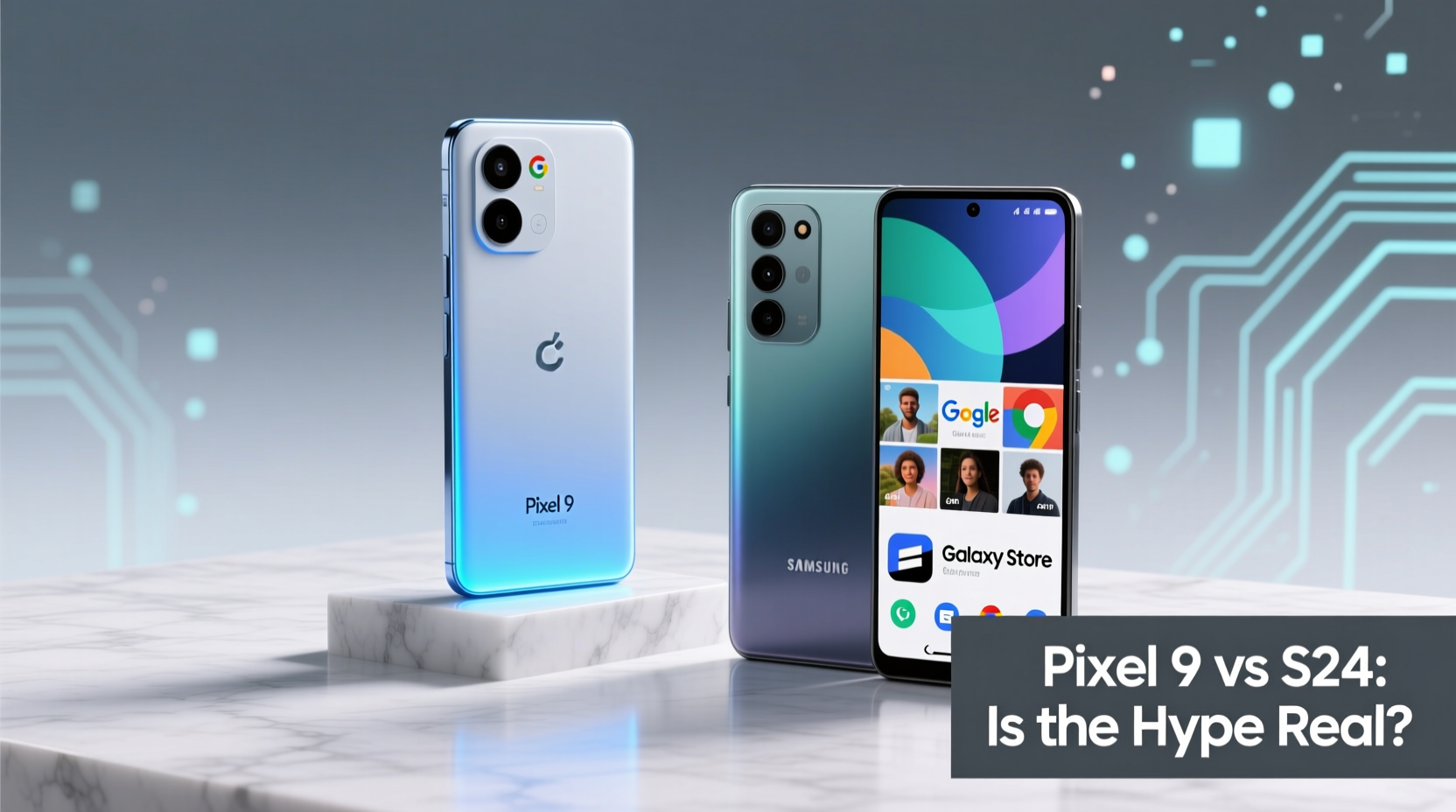
The Galaxy S24 continues Samsung’s tradition of polished, glass-and-metal craftsmanship. Available in Phantom Black, Violet Gray, and Marble Gray, it features Gorilla Glass Victus 3 and an aluminum frame that balances durability with elegance. The flat display reduces glare and improves screen protector compatibility—Samsung listened to user feedback here.
In contrast, the Pixel 9 embraces Google’s minimalist aesthetic. With a matte finish and slightly softer curves, it feels more organic in hand. The rear camera bar is now integrated seamlessly into the chassis, reducing the “bump” issue seen in earlier models. While both phones are IP68-rated for dust and water resistance, the Pixel uses recycled aluminum, appealing to eco-conscious buyers.
However, Samsung still leads in customization. The S24 supports DeX, expandable storage via microSD (on select regional variants), and a wider range of accessories. Google keeps things lean—no SD card, no HDMI-out—but offers a cleaner, faster out-of-box experience.
Display and Performance: Brightness vs. Efficiency
The S24 boasts a 6.2-inch Dynamic AMOLED 2X display with a 120Hz adaptive refresh rate and peak brightness of 2,600 nits—the highest in any smartphone to date. Whether you’re outdoors in direct sunlight or watching HDR content, the clarity and color accuracy are exceptional. It’s tuned for professionals who rely on color fidelity, such as photographers and designers.
The Pixel 9 counters with a 6.1-inch OLED panel at 120Hz and 1,600 nits peak brightness. While not as bright, Google’s display tuning prioritizes battery efficiency and readability under most conditions. The new Tensor G4 chip includes dedicated AI cores that optimize screen content dynamically, adjusting tone and contrast in real time based on ambient lighting.
On raw performance, the Snapdragon 8 Gen 3 in the S24 outperforms the Tensor G4 in CPU-intensive tasks like video rendering or high-end gaming. However, for everyday use—messaging, browsing, social media, navigation—the difference is negligible. Where Tensor shines is in sustained AI workloads: real-time call screening, voice-to-text transcription, and photo enhancements happen locally, preserving privacy and responsiveness.
“Tensor isn’t about brute speed—it’s about intelligence. Pixel makes your phone anticipate needs before you do.” — Dr. Lena Park, Mobile AI Researcher at MIT Media Lab
Camera Comparison: Consistency vs. Innovation
Samsung has refined its triple-lens system over years. The S24 features a 50MP main sensor, 12MP ultra-wide, and 10MP telephoto with 3x optical zoom. Its AI-powered Nightography delivers reliable low-light shots across all lenses. Zoom up to 30x with surprisingly usable results, thanks to advanced multi-frame processing.
Google relies on computational photography magic. The Pixel 9 sticks with a dual-camera setup: 50MP main and 48MP ultra-wide. No telephoto lens, but Super Res Zoom goes up to 20x using machine learning. In daylight, both phones produce stunning images. But in challenging lighting, Pixel often edges ahead with more natural dynamic range and superior HDR processing.
One standout feature: Pixel’s Magic Editor and Best Take now work offline, powered by on-device AI. You can remove photobombers or stitch group photos seamlessly without uploading anything to the cloud. Samsung offers similar tools in Gallery, but they require internet access and are slower.
| Feature | Google Pixel 9 | Samsung Galaxy S24 |
|---|---|---|
| Main Camera | 50MP, f/1.7 | 50MP, f/1.8 |
| Ultra-Wide | 48MP, f/1.9 | 12MP, f/2.2 |
| Telephoto | No dedicated lens | 10MP, 3x optical zoom |
| Video Recording | 4K @ 60fps, stabilized | 8K @ 30fps, Super Steady mode |
| AI Editing | Fully offline, real-time | Cloud-dependent, delayed |
Software and Longevity: Clean Android vs. Feature-Rich Customization
Pixel runs stock Android with guaranteed seven years of OS and security updates—a first in the industry. That means your Pixel 9 could receive updates until 2031. This longevity is unmatched, especially considering most flagships get four to five years.
Samsung now offers seven years of updates too, matching Google’s promise. But One UI 6.1 (based on Android 14) adds layers of functionality: split-screen multitasking, customizable themes, Knox security suite, and seamless integration with Windows PCs and Galaxy Watches. If you own other Samsung devices, the ecosystem synergy is powerful.
Where Pixel wins is simplicity. No bloatware, no redundant apps, no confusing menus. Features like Now Playing, Call Screen, and Assistant Voice Typing are deeply integrated and just work. Samsung offers more options, but some feel buried under settings menus or duplicated across apps.
Real-World Example: A Travel Photographer’s Dilemma
Consider Maya, a freelance travel photographer who shoots primarily on mobile. On a recent trip to Morocco, she tested both phones. During daytime markets, the Pixel 9’s HDR+ captured vibrant colors without oversaturation. At dusk, its Night Sight produced cleaner shadows than the S24, which slightly over-smoothed textures.
But when she needed to zoom in on distant architecture, the S24’s 3x optical lens gave her sharper results than the Pixel’s digital zoom. Back home, she used Samsung’s Multi Control to drag photos from her phone to her Galaxy Book, streamlining her editing workflow. Meanwhile, the Pixel’s offline Magic Editor let her fix group photos instantly during a client meeting—no Wi-Fi needed.
Her verdict? “I kept both. I use the S24 for professional shoots with zoom and PC linking. But the Pixel is my daily carry for candid moments and quick edits.”
Step-by-Step Guide: Choosing the Right Phone for You
- Assess your ecosystem: Do you use Galaxy Buds, a Samsung TV, or a Windows laptop? If yes, S24 integration will save time.
- Evaluate camera priorities: Need optical zoom and pro-grade video? Go S24. Prefer effortless AI editing and natural-looking photos? Choose Pixel.
- Test one-handed usability: The Pixel 9 is slightly shorter and lighter—better for small hands or pocketability.
- Check update policy trust: Both promise 7 years, but Google delivers updates same-day. Samsung rolls them out weeks later in some regions.
- Try before you buy: Visit a store. Feel the weight, swipe through the interface, take sample photos.
Frequently Asked Questions
Is the Pixel 9 camera better than the S24?
In daylight and low light with the main sensor, yes—especially for point-and-shoot accuracy and AI enhancements. But the S24 offers superior zoom and more consistent ultra-wide shots.
Can the Tensor G4 compete with Snapdragon 8 Gen 3?
Not in raw power. But for AI tasks, voice processing, and on-device privacy, Tensor excels. Gamers and power users may prefer Snapdragon’s performance headroom.
Should I switch from Samsung to Pixel?
If you value software simplicity, immediate updates, and innovative AI tools, yes. But if you rely on Samsung’s ecosystem or advanced camera optics, staying put makes sense.
Conclusion: Hype or Substance?
The hype around the Pixel 9 is real—but selective. Its AI features aren’t gimmicks; they solve real problems quietly and efficiently. The seven-year update promise sets a new standard. Yet, Samsung’s S24 isn’t standing still. It delivers a more complete hardware package, better zoom, higher brightness, and deeper ecosystem integration.
Ultimately, this isn’t about which phone is “better.” It’s about which one aligns with your lifestyle. If you crave innovation, privacy-focused AI, and long-term reliability, the Pixel 9 is a compelling upgrade. But if you depend on versatility, zoom capability, and seamless multi-device workflows, the Galaxy S24 remains a top-tier choice.




 浙公网安备
33010002000092号
浙公网安备
33010002000092号 浙B2-20120091-4
Comments
No comments yet. Why don't you start the discussion?