
When it comes to true wireless earbuds, Google Pixel Buds and Samsung Galaxy Buds 2 represent two flagship options from Android’s biggest players. Both promise seamless integration, solid audio performance, and modern design—but they cater to different ecosystems and user priorities. For Samsung owners, the natural choice might seem obvious. But is there real value in exploring beyond the brand? Are Samsung users potentially missing out by sticking exclusively with Galaxy Buds 2 when Pixel Buds offer compelling alternatives?
This article dives deep into a head-to-head analysis, examining sound quality, smart features, ecosystem compatibility, comfort, and long-term usability. The goal isn’t to declare a universal winner, but to help users—especially those loyal to Samsung—make informed decisions based on actual needs rather than brand allegiance.
Design and Comfort: Fit Matters More Than You Think
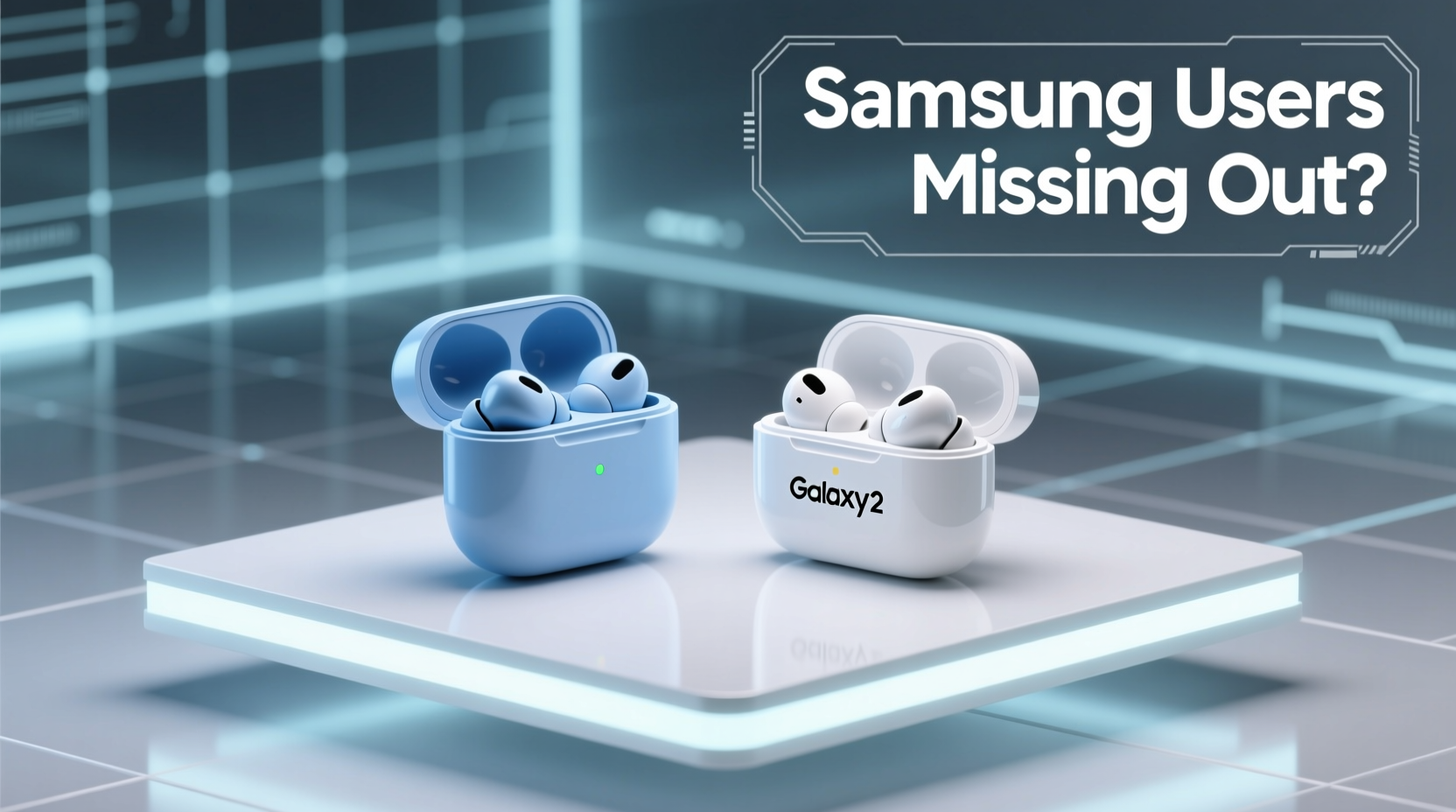
Both the Pixel Buds (2020/2023 models) and Galaxy Buds 2 prioritize lightweight, in-ear designs aimed at all-day wear. However, their approaches differ significantly.
The Pixel Buds use a unique “fin” design that hooks over the ridge of your ear for stability. While this provides excellent grip during workouts or commutes, some users find the fit less discreet or slightly bulky compared to flush-fitting competitors. The ear tips come in multiple sizes, but the overall shape may not suit smaller ears comfortably.
In contrast, the Galaxy Buds 2 feature a compact, bean-shaped body with a balanced weight distribution. They sit snugly inside the concha without protruding much, making them more comfortable for extended listening sessions. Samsung includes three sets of ear tips and wingtips, allowing for a highly customizable fit. Many users report forgetting they’re wearing them after a few minutes.
Sound Quality and Audio Features
Audio performance is where personal preference plays a big role, but objective benchmarks help clarify differences.
The Galaxy Buds 2 deliver a well-tuned sound profile with strong midrange clarity and punchy bass—ideal for pop, hip-hop, and podcasts. They support Samsung Scalable Codec (SSC) and AAC, with optional LDAC support on select devices for high-resolution audio streaming. Active Noise Cancellation (ANC) is effective for mid-to-high frequency sounds like chatter or engine hum, though it doesn’t match premium-tier suppression found in Sony or Bose models.
Google Pixel Buds (particularly the 2023 model) focus on balanced audio with crisp highs and clear vocals, favoring accuracy over bass emphasis. Their ANC has improved dramatically since earlier versions, now offering competitive noise reduction. One standout feature is Adaptive Sound, which automatically adjusts volume based on ambient noise—a practical tool in dynamic environments like city streets or public transit.
“Earbuds aren't just about specs—they're about how consistently they perform across real-world scenarios.” — David Lin, Audio Engineer at MobileTech Review
Ecosystem Integration: The Hidden Decider
This is the core of the debate: how deeply each product integrates with its native platform.
Samsung Galaxy Buds 2 shine within the Samsung ecosystem. They pair instantly with Galaxy phones via Bluetooth Fast Pair, enable seamless switching between Samsung tablets and watches, and support advanced features like 360 Audio, Voice Detect (which pauses playback when you start speaking), and Find My Earbuds with proximity tracking. If you own multiple Samsung devices, these conveniences add up quickly.
Pixel Buds, meanwhile, offer best-in-class integration with Google services. Live Translate during calls, fast pairing with any Android device using Google Fast Pair, and hands-free Google Assistant access (“Hey Google”) make them powerful tools for productivity. On non-Pixel phones—including Samsung flagships—many AI-driven features either degrade or disappear entirely. For example, voice typing works only reliably on Pixel devices.
If you rely heavily on Google Assistant, Maps navigation prompts, or transcription tools, Pixel Buds bring functionality no other Android earbud matches—provided you’re within Google’s software environment.
Detailed Feature Comparison
| Feature | Google Pixel Buds (2023) | Samsung Galaxy Buds 2 |
|---|---|---|
| Fast Pairing | Google Fast Pair (Android-wide) | Bluetooth Fast Pair (Samsung-only optimized) |
| Noise Cancellation | Adaptive Sound, ANC with transparency mode | Active Noise Cancellation + Ambient Mode |
| AI Features | Live Translate, Voice Typing, Hey Google | Bixby wake-up (limited), Voice Detect |
| Battery Life (with case) | Up to 24 hours | Up to 20 hours |
| Water Resistance | IPX4 (splash-resistant) | IPX2 (basic sweat resistance) |
| Cross-Brand Use | Fully functional basic features on iOS/Samsung | Limited features outside Samsung devices |
| Find My Device | Works via Find My Device network | Only through Samsung SmartThings app |
Real-World Example: A Samsung User Switches to Pixel Buds
Jamal, a long-time Galaxy S22 owner, decided to try Pixel Buds Pro after hearing about their superior call quality and noise cancellation. He uses his phone extensively for remote meetings and daily commutes through noisy subway stations.
Initially frustrated by the lack of Voice Detect and 360 Audio, he soon discovered benefits he hadn’t anticipated. The Adaptive Sound feature automatically lowered volume in quiet libraries and boosted it near construction zones—something Galaxy Buds didn’t do dynamically. During a video conference, the Pixel Buds’ wind-reduction algorithm made his voice clearer than ever before, impressing his team.
However, he missed quick-switching between his Galaxy Watch and tablet. After two weeks, Jamal concluded: “For pure calling and audio intelligence, Pixel Buds win. But if I used more Samsung-specific apps or multi-device workflows, I’d go back.”
Checklist: Choosing Between Pixel Buds and Galaxy Buds 2
- ✅ Do you use a Pixel phone or prioritize Google Assistant? → Lean toward Pixel Buds
- ✅ Own multiple Samsung devices (phone, watch, tablet)? → Galaxy Buds 2 offer smoother integration
- ✅ Need reliable ANC for travel or open offices? → Test both; Pixel edges slightly ahead
- ✅ Frequently take calls in windy or loud areas? → Pixel Buds’ microphone processing is superior
- ✅ Want future-proof AI features (e.g., translation, dictation)? → Pixel Buds have broader roadmap
- ✅ Prefer subtle, lightweight design? → Galaxy Buds 2 are less obtrusive
Are Samsung Users Missing Out?
Not necessarily—but some might be overlooking meaningful advantages.
Samsung users benefit from tight hardware-software synergy, especially with features like auto-switching and spatial audio tied to Samsung Health or DeX. However, Google’s investment in AI-powered audio experiences gives Pixel Buds an edge in communication-centric use cases. Features like real-time speech enhancement, adaptive EQ, and ecosystem-wide fast pairing provide tangible improvements for professionals, travelers, or multilingual users.
Moreover, Pixel Buds work exceptionally well across Android—not just Pixels. A Samsung user who values Google services over Samsung-exclusive features may actually gain more utility from Pixel Buds despite breaking ecosystem loyalty.
FAQ
Can I use Pixel Buds with a Samsung phone?
Yes. Basic functions like playback, calls, and touch controls work seamlessly. However, advanced features such as Voice Typing, Live Translate, and full Google Assistant customization require a Pixel phone.
Do Galaxy Buds 2 work well with non-Samsung Android devices?
They function as standard Bluetooth earbuds, but you lose key features like firmware updates, ambient sound modes, and Find My Earbuds tracking. The companion app is limited outside Samsung devices.
Which has better battery life?
The Pixel Buds (2023) offer up to 7 hours per charge (ANC on), extending to 24 hours with the case. Galaxy Buds 2 give around 5 hours (ANC on), totaling 20 hours. Pixel Buds have a slight lead, especially with wireless charging support.
Final Thoughts: Beyond Brand Loyalty
The rivalry between Google Pixel Buds and Samsung Galaxy Buds 2 reflects a larger shift in mobile accessories: from simple audio delivery to intelligent, context-aware companions. While Samsung delivers polish and cohesion within its ecosystem, Google pushes boundaries in AI-assisted interaction and cross-platform accessibility.
Samsung users aren’t inherently missing out—but they should ask themselves what kind of experience matters most. Is it flawless device switching and immersive soundscapes? Or crystal-clear calls, adaptive environments, and deeper Google integration? The answer determines whether stepping outside the Samsung bubble is worth it.
Technology thrives on choice. Staying locked into a single brand can mean overlooking innovations that better serve your lifestyle. Whether you stick with Galaxy Buds 2 or explore Pixel Buds, the real win is making a decision grounded in usage, not habit.




 浙公网安备
33010002000092号
浙公网安备
33010002000092号 浙B2-20120091-4
Comments
No comments yet. Why don't you start the discussion?