
In 2025, the smartphone market remains sharply divided between two dominant philosophies: Apple’s tightly integrated ecosystem and Google’s increasingly refined Android experience through the Pixel line. While iPhones continue to command premium pricing—often starting at $999 for the base model—Google Pixel devices typically launch $100–$300 lower. But does that price gap reflect a proportional difference in user experience, longevity, or overall value? For consumers weighing options before their next upgrade, the answer isn’t as straightforward as sticker shock might suggest.
The decision between a Pixel and an iPhone today hinges less on raw specs and more on ecosystem alignment, software support, camera intelligence, and total cost of ownership over time. With both brands delivering flagship-tier performance, the real differentiators lie beneath the surface.
Performance and Longevity: Beyond the Processor
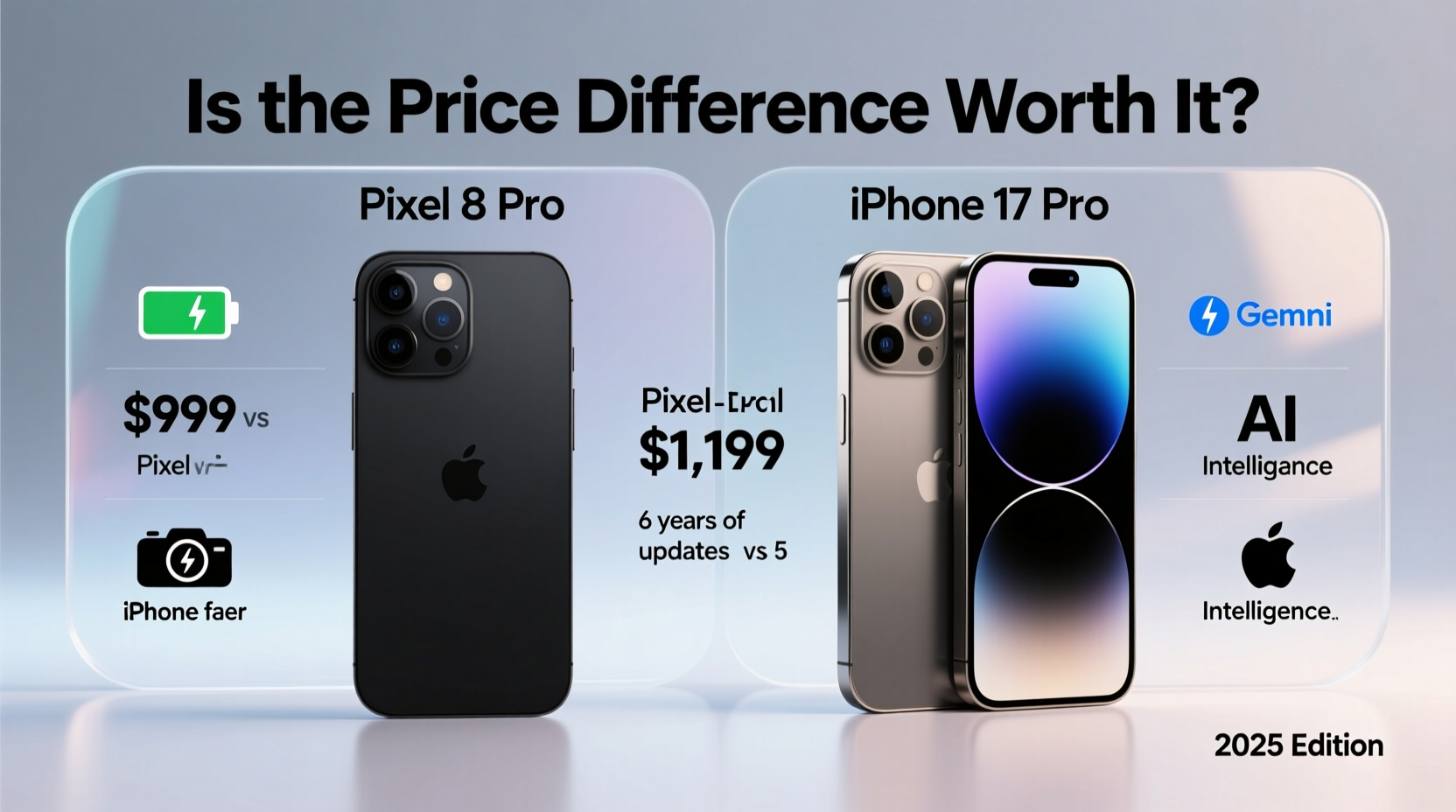
Apple’s A-series chips have long led the industry in single-core performance and energy efficiency. The iPhone 16 series, powered by the A18 chip, continues this trend with exceptional app responsiveness and sustained performance under load. However, Google’s Tensor G4 processor—used in the Pixel 9 Pro—has closed the gap significantly in machine learning tasks, voice processing, and AI-driven photography.
What matters more than peak speed is how well each device ages. iPhones consistently receive five to six years of iOS updates, making them among the longest-supported smartphones globally. In contrast, Google guarantees seven years of OS and security updates for Pixel 8 and newer models—a move clearly aimed at matching and even exceeding Apple’s track record.
This shift means Pixels now offer competitive longevity. For users who replace devices every four years or more, the longer software support makes the Pixel’s lower entry price even more compelling.
Camera Quality: Computational Photography vs. Consistency
Photography remains one of the most debated aspects of the Pixel vs. iPhone rivalry. Apple prioritizes natural color reproduction, dynamic range, and video stabilization. The iPhone 16 delivers excellent point-and-shoot results across lighting conditions, particularly in video, where its Dolby Vision HDR recording remains unmatched in the Android world.
Google, meanwhile, leans heavily into computational photography. The Pixel 9 series uses advanced AI models to enhance textures, manage shadows, and produce vibrant, detailed stills—even in near-darkness. Features like Magic Eraser, Best Take, and Audio Eraser are exclusive to Pixels and solve real-world photo problems.
“Google has redefined what smartphone photography can do with software alone. Their ability to extract detail from noise is borderline alchemical.” — David Lin, Mobile Imaging Analyst at TechScope
That said, iPhone cameras deliver greater consistency. While Pixels often win head-to-head photo comparisons in controlled tests, they occasionally over-process images, leading to unnatural skin tones or excessive sharpening. For users who value reliability over occasional brilliance, the iPhone may still be preferable.
Total Cost of Ownership Comparison
The upfront price difference is clear: an iPhone 16 starts at $999, while the Pixel 9 Pro begins at $999—but the standard Pixel 9 is priced at $799, offering flagship features at a meaningful discount. When factoring in accessories, repairs, and resale value, the financial calculus becomes more nuanced.
| Factor | iPhone (16) | Pixel (9) |
|---|---|---|
| Starting Price | $999 | $799 |
| Software Support | 5–6 years | 7 years |
| Average Repair Cost (Screen) | $299 | $229 |
| Resale Value After 2 Years | ~60% of original | ~45% of original |
| Free Cloud Storage for Photos | 5GB (iCloud) | Unlimited Original Quality (until 2025 promo) |
While iPhones retain value better, reducing long-term cost, Pixels offset this with lower initial pricing and superior cloud benefits. Google’s unlimited high-quality photo backup (still available through early 2025) remains a major advantage for heavy photographers.
Real-World Example: Sarah’s Upgrade Dilemma
Sarah, a freelance photographer based in Portland, needed a new phone in early 2025. She used an iPhone 12 and was considering the iPhone 16 Pro Max at $1,199. Her workflow relied on seamless iCloud syncing, Final Cut compatibility, and reliable video capture.
After testing both devices, she opted for the Pixel 9 Pro. Despite missing some pro video tools, she gained AI-powered editing features, faster Night Sight performance, and access to free full-resolution photo backups—critical for her high-volume shooting. She saved $200 upfront and estimated $150 in reduced cloud subscription costs over three years.
“I didn’t expect to switch,” she said. “But once I saw how much easier it was to edit and organize photos directly on the Pixel, the decision made itself.”
Sarah’s case illustrates that value isn’t just about hardware—it’s about how well the device integrates into your life.
Ecosystem Lock-In: The Hidden Cost of Switching
For existing Apple users, switching to Android involves friction: iMessage dependency, AirDrop convenience, Handoff functionality, and seamless integration with Macs and iPads. These features create a sticky ecosystem that many find difficult to leave—even when presented with lower prices or better features elsewhere.
Conversely, Pixel owners benefit from deep integration with Google services: Gmail, Google Photos, Google Maps, and Assistant. If your digital life revolves around Google Workspace, Chrome, or YouTube, the Pixel feels like a natural extension.
Actionable Checklist: Choosing the Right Phone for You
Before deciding, consider the following:
- ✅ Assess your primary use: photography, video, messaging, productivity?
- ✅ List the apps and services you rely on daily—do they favor one ecosystem?
- ✅ Determine your typical upgrade cycle—longer than 3 years favors Pixel’s 7-year support.
- ✅ Test both devices in person—handling, screen brightness, haptics matter.
- ✅ Calculate total cost over 3 years: purchase price, repairs, cloud storage, accessories.
- ✅ Consider trade-in value—iPhones generally resell for more.
Frequently Asked Questions
Is the Pixel camera better than iPhone in 2025?
In still photography, especially low-light and AI-enhanced shots, the Pixel often produces more visually striking results. However, the iPhone offers superior video quality, color accuracy, and consistency. The “better” camera depends on your priorities.
Do Pixels last as long as iPhones?
Historically, iPhones had an edge in longevity due to longer software support. But starting with the Pixel 8, Google now offers seven years of updates—longer than Apple. Hardware build quality has also improved, making modern Pixels durable contenders.
Can I save money by choosing a Pixel over an iPhone?
Yes, especially if you keep your phone for several years. The lower starting price, cheaper repairs, and included cloud storage add up. However, if you upgrade frequently or prioritize resale value, the savings may be smaller.
Conclusion: Value Depends on Your Definition
The price difference between Google Pixel and iPhone in 2025 isn’t just about dollars—it’s about what you value in a smartphone. If seamless ecosystem integration, premium resale value, and best-in-class video are your priorities, the iPhone justifies its cost for many users.
But if you want cutting-edge AI photography, longer software support, lower upfront cost, and deep Google integration, the Pixel delivers exceptional value—often at a fraction of the price. For tech-savvy users willing to step outside Apple’s walled garden, the Pixel represents one of the most compelling alternatives ever offered.




 浙公网安备
33010002000092号
浙公网安备
33010002000092号 浙B2-20120091-4
Comments
No comments yet. Why don't you start the discussion?