
At first glance, comparing a Google Pixel—especially one from recent years—with the Samsung Galaxy S7 in 2024 might seem like an uneven matchup. The Galaxy S7 launched in early 2016, making it nearly a decade old. Meanwhile, the latest Pixel models represent cutting-edge Android innovation. Yet, some users still rely on older devices or consider budget alternatives when upgrading. So, is the Pixel truly worth the continued praise over a once-flagship device like the S7? The answer depends on what you value: raw nostalgia, basic functionality, or future-ready performance.
The truth is, while the S7 was a landmark phone in its time, technology has evolved rapidly. What made sense in 2016 no longer holds up under today’s app demands, security standards, and connectivity expectations. This article breaks down the key differences between modern Google Pixel phones and the aging Samsung Galaxy S7, focusing on real-world usage in 2024.
Performance and Hardware: A Generation Gap
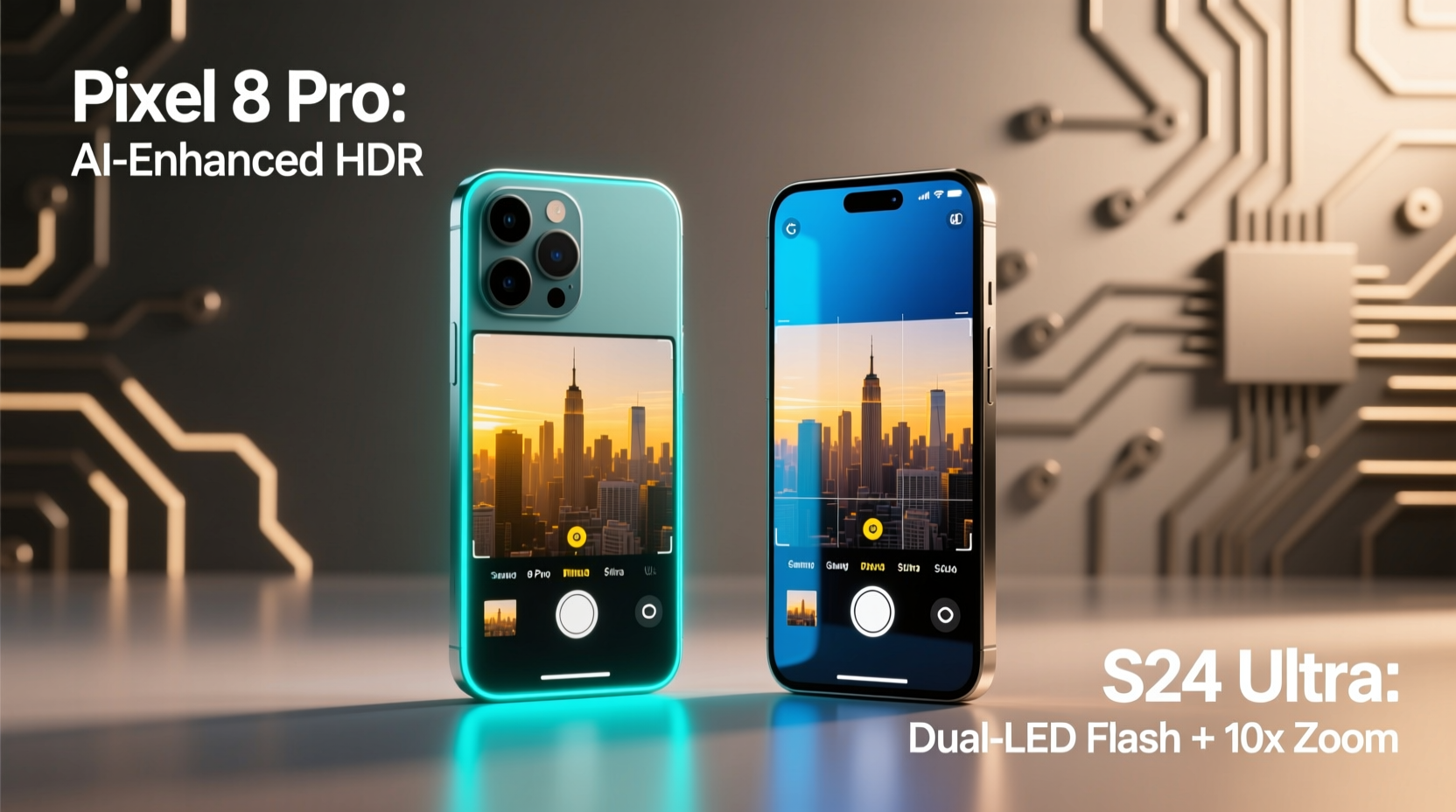
The hardware disparity between current Pixel models (such as the Pixel 8 series) and the Galaxy S7 is vast. The S7 ran on either the Exynos 8890 or Snapdragon 820—chips that were powerful for their era but now struggle with even lightweight multitasking. In contrast, the Pixel 8 uses Google’s custom Tensor G3 chip, designed specifically for AI tasks, efficient machine learning, and smooth UI performance.
RAM and storage also tell a stark story. The S7 came with 4GB of RAM and up to 128GB of expandable storage. Modern Pixels start at 8GB RAM and 128GB non-expandable storage, offering significantly better app retention, background processing, and longevity.
| Feature | Google Pixel 8 (2023) | Samsung Galaxy S7 (2016) |
|---|---|---|
| Processor | Google Tensor G3 | Exynos 8890 / Snapdragon 820 |
| RAM | 8GB | 4GB |
| Storage | 128GB+ | 32–128GB (expandable) |
| Battery Capacity | 4,575 mAh | 3,000 mAh |
| Charging | 27W wired, 23W wireless | Fast charging (non-PD), no wireless on base model |
In practical terms, opening multiple apps, switching between Chrome tabs, using GPS navigation, and streaming HD video are all seamless on a Pixel 8. On the S7, these actions result in noticeable lag, app reloads, and overheating.
Software and Security: Why Updates Matter
One of the most critical factors in 2024 is software support. The Galaxy S7 stopped receiving major Android updates after Android 8.0 Oreo and security patches ended years ago. This means it runs outdated software with known vulnerabilities—making it a risk for online banking, email access, or any activity involving personal data.
In contrast, Google guarantees seven years of OS and security updates for Pixel 8 devices—a commitment unmatched in the Android world. That means Pixel users will receive updates through 2030, ensuring long-term protection against malware, phishing, and system exploits.
“Using an unsupported phone in 2024 is like driving a car without airbags. It might get you from point A to B, but you’re exposed to avoidable risks.” — Lena Patel, Mobile Security Analyst at CyberShield Labs
Additionally, modern Android features like Digital Wellbeing, Live Translate, Magic Eraser, and Call Screen are only available on newer devices. These tools enhance usability, privacy, and convenience—none of which are accessible on the S7.
Camera Quality: Computational Photography Wins
The S7 had a strong camera for its time—an f/1.7 aperture sensor that excelled in low light. However, hardware alone doesn’t determine photo quality today. Google’s Pixel line relies heavily on computational photography: HDR+, Night Sight, Super Res Zoom, and AI-powered scene enhancement.
In side-by-side tests, even daylight photos from the S7 appear flat, oversaturated, and lack dynamic range compared to Pixel output. Low-light performance is where the gap widens dramatically. The Pixel 8 captures bright, noise-free night shots with accurate colors, while the S7 produces grainy, blurry images unless perfectly lit.
- Pixels use machine learning to optimize exposure, white balance, and subject detection.
- The S7 lacks portrait mode, astrophotography, or video stabilization beyond basic EIS.
- Modern Pixels offer 4K video at 60fps; the S7 maxes out at 4K@30fps with limited editing compatibility.
Real-World Example: Travel Photography in 2024
Sarah, a digital nomad based in Lisbon, used her Galaxy S7 for travel blogging until early 2023. She found that Instagram rejected her uploads due to metadata issues from outdated firmware. Her night market photos required heavy editing to be usable, and video calls for client meetings often froze. After switching to a Pixel 7a, she reported faster upload times, automatic captioning during interviews, and gallery photos that needed little post-processing. “It wasn’t just about better pictures,” she said. “It was about saving hours every week.”
Battery Life and Longevity
The S7’s 3,000mAh battery was respectable in 2016, but eight years of charge cycles have degraded most units’ capacity. Even with replacement batteries, the power management system isn’t optimized for modern standby drain from apps like WhatsApp, Gmail, and location services.
Pixels, meanwhile, benefit from adaptive battery technology that learns usage patterns and defers background activity. Combined with more efficient processors and larger cells, they routinely deliver 24+ hours of mixed use.
- Check battery health via settings (on supported devices).
- Replace batteries every 2–3 years for optimal performance.
- Avoid leaving phones plugged in overnight to extend lifespan.
- Use dark mode and lower refresh rates to conserve energy.
Is the Pixel Worth the Hype in 2024?
The short answer: absolutely—if you want a reliable, secure, and future-proof smartphone experience. But the hype isn’t just about specs. It’s about ecosystem integration, timely updates, AI features, and consistent performance over time.
While the Galaxy S7 was a pioneer—water-resistant design, AMOLED display, fast charging—it has long since passed its prime. Using it in 2024 limits access to essential services: mobile banking apps may block login attempts, messaging platforms drop support for older OS versions, and public Wi-Fi networks increasingly require modern authentication protocols.
Google Pixels, by contrast, are built for the present and near future. They integrate seamlessly with Google Workspace, offer best-in-class Assistant functionality, and lead the way in on-device AI. For users who rely on their phones for work, communication, and creativity, the investment pays off.
Checklist: When to Upgrade from an Older Device Like the S7
- ✅ Apps crash frequently or fail to install
- ✅ Battery drains within 4–5 hours of use
- ✅ No security updates received in over two years
- ✅ Camera fails in low light or produces blurry images
- ✅ Difficulty connecting to modern Bluetooth/Wi-Fi standards
- ✅ Sluggish typing, delayed touch response, or overheating
Frequently Asked Questions
Can I still use the Galaxy S7 as a secondary phone?
Yes, but only for very limited purposes—like a music player, alarm clock, or offline gaming device. Avoid using it for anything involving passwords, payments, or personal data due to unpatched security flaws.
Do Pixels last longer than other Android phones?
In terms of software support, yes. Seven years of guaranteed updates exceed Samsung’s four-year promise and far surpass brands like Xiaomi or OnePlus. Hardware durability is comparable, but Pixel build quality has improved significantly since earlier models.
Is buying a used Pixel a good alternative?
Yes. Refurbished Pixel 6 or 7 models can offer excellent value, especially if certified by Google or trusted retailers. Just verify the device hasn't been blacklisted and check remaining warranty.
Final Verdict: Time to Move On from the S7
The Samsung Galaxy S7 was a milestone in smartphone history. It set benchmarks for design, display, and water resistance. But in 2024, clinging to it means sacrificing speed, safety, and functionality. The Google Pixel isn’t just worth the hype—it represents what a smartphone should be today: intelligent, secure, and constantly improving.
If you're still holding onto an S7, consider this the nudge you need to upgrade. Whether you choose a new Pixel, a refurbished model, or another modern Android device, the leap in daily usability will be immediate and lasting.




 浙公网安备
33010002000092号
浙公网安备
33010002000092号 浙B2-20120091-4
Comments
No comments yet. Why don't you start the discussion?