
Dog owners today are bombarded with marketing claims about pet nutrition. One of the most polarizing debates centers on grain-free versus grain-inclusive dog food. With rising popularity of grain-free diets over the past decade—fueled by human dietary trends and brand messaging—the question remains: do dogs actually benefit from avoiding grains? Or is this a case of misplaced enthusiasm driven more by perception than science?
In 2025, after years of research, regulatory scrutiny, and clinical observation, the scientific consensus has evolved significantly. The U.S. Food and Drug Administration (FDA), veterinary nutritionists, and independent researchers have compiled substantial evidence that reshapes how we should think about grains in canine diets. This article cuts through the noise, presenting an up-to-date, evidence-based evaluation of grain-free and grain-inclusive dog foods—what works, what doesn’t, and who might truly benefit.
The Rise and Fall of the Grain-Free Trend
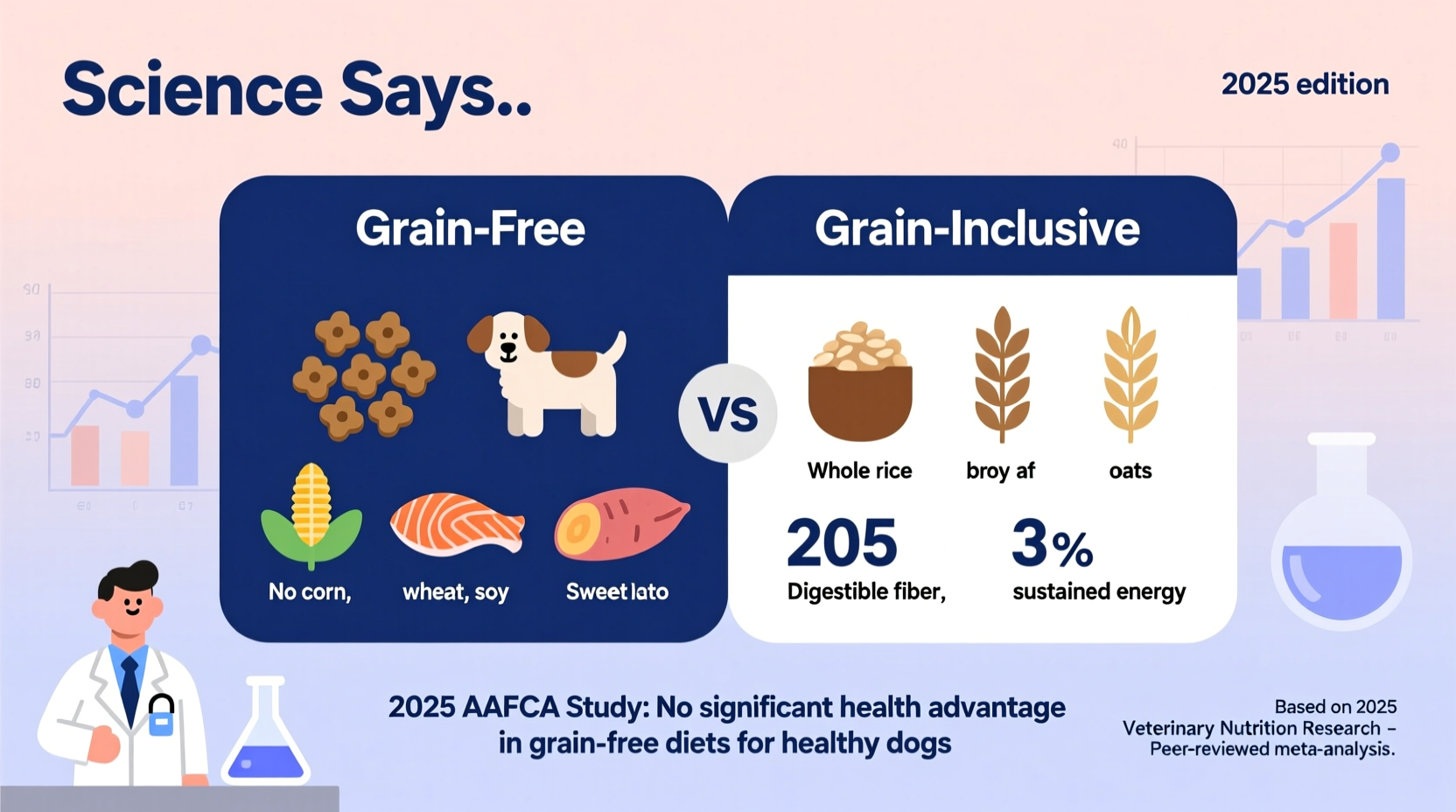
Grain-free dog food gained traction in the early 2010s, mirroring the human paleo and gluten-free movements. Brands marketed these formulas as “cleaner,” “more natural,” or “closer to what wolves eat.” Ingredients like potatoes, peas, lentils, and chickpeas replaced traditional grains such as corn, wheat, and rice. Sales soared, and by 2020, grain-free options made up nearly 40% of premium dog food sales in the U.S.
However, a growing number of reports began linking grain-free diets to a serious heart condition: dilated cardiomyopathy (DCM). While DCM was historically considered genetic—common in breeds like Doberman Pinschers and Great Danes—veterinarians started seeing it in atypical breeds, including Golden Retrievers and even small dogs like Whippets, many of whom were eating grain-free, legume-rich diets.
In 2018, the FDA launched an investigation into this potential connection. By 2023, over 1,100 cases of diet-associated DCM had been reported, with more than 90% linked to grain-free foods containing legumes and potatoes as primary ingredients. Though correlation does not equal causation, the pattern was concerning enough to prompt warnings from veterinary associations and reformulations by major pet food companies.
What Science Says About Grains and Canine Digestion
A common misconception driving grain-free adoption is that dogs cannot digest grains. This is false. Dogs are not strict carnivores; they are omnivorous scavengers with digestive systems adapted to utilize plant-based nutrients. Through thousands of years of domestication, dogs evolved genes that enhance starch digestion—specifically, increased copies of the AMY2B gene, which produces amylase, the enzyme that breaks down starch.
Studies published in journals like *Nature* and *PLOS ONE* confirm that modern dogs digest carbohydrates efficiently. In fact, properly cooked grains like brown rice, barley, and oats provide highly bioavailable energy, fiber, and essential nutrients such as B vitamins, iron, and linoleic acid. When balanced correctly, grain-inclusive diets support sustained energy, healthy skin, and optimal gut function.
Moreover, high-quality grains are rarely allergens. According to board-certified veterinary dermatologists, less than 1% of all canine allergies are caused by grains. Far more common allergens include beef, dairy, chicken, and eggs. Yet, grain-free formulas often replace grains with alternative carbohydrate sources that may be less studied and more likely to cause nutrient imbalances.
Nutritional Risks of Grain-Free Diets: The Taurine Connection
One of the most significant findings in recent canine nutrition research involves taurine—an amino acid essential for heart health. Dogs can synthesize taurine from other amino acids (cysteine and methionine), but certain diets may impair this process.
Research indicates that legumes and potatoes, common substitutes in grain-free foods, may interfere with taurine metabolism. Some legumes contain compounds that bind sulfur-containing amino acids, reducing their availability for taurine synthesis. Additionally, the high fiber and lectin content in legumes may affect gut absorption.
A 2023 study from Tufts University found that dogs fed grain-free diets with >30% legumes in the formula had significantly lower plasma taurine levels compared to those on grain-inclusive diets—even when total protein intake was similar. In several cases, supplementing taurine reversed early-stage DCM symptoms, suggesting a direct nutritional link.
“Diet-induced DCM is one of the clearest examples of how ingredient trends without scientific backing can harm pets. We’re seeing entirely preventable disease because of poorly formulated ‘boutique’ diets.” — Dr. Lisa Freeman, Board-Certified Veterinary Nutritionist, Cummings School of Veterinary Medicine
Comparing Grain-Free and Grain-Inclusive Diets: A Practical Breakdown
| Factor | Grain-Free Dog Food | Grain-Inclusive Dog Food |
|---|---|---|
| Primary Carbohydrate Sources | Peas, lentils, potatoes, tapioca | Brown rice, oats, barley, corn |
| Taurine Risk | Moderate to High (especially with legume-heavy formulas) | Low (when balanced with animal protein) |
| Allergen Potential | Higher risk due to novel proteins and legumes | Lower overall; grains rarely allergenic |
| Digestibility | Variable; some dogs experience gas or loose stools | Generally high with quality-cooked grains |
| Scientific Support | Limited; associated with DCM in multiple studies | Strong; long history of safe use and research |
| Cost | Typically higher | Often more affordable |
When Might Grain-Free Be Appropriate?
Despite the risks, grain-free diets are not universally harmful. There are specific, medically justified scenarios where they may be appropriate:
- Diagnosed grain allergy: Though rare, some dogs do have confirmed sensitivities to specific grains (e.g., wheat).
- Gastrointestinal disorders: Certain conditions like inflammatory bowel disease (IBD) may respond better to limited-ingredient, grain-free formulas under veterinary supervision.
- Therapeutic diets: Some prescription foods are grain-free due to formulation constraints, but these are designed with full nutritional balance in mind.
The key distinction is intentionality. Grain-free diets should not be chosen based on marketing buzzwords like “natural” or “ancestral,” but rather as part of a targeted nutritional strategy guided by a veterinarian or veterinary nutritionist.
Real-World Example: Max the Golden Retriever
Max, a 4-year-old Golden Retriever, was thriving on a popular grain-free kibble until he began showing signs of lethargy and coughing. An echocardiogram revealed early-stage dilated cardiomyopathy. His blood test showed critically low taurine levels. After switching to a grain-inclusive, vet-recommended diet and beginning taurine supplementation, Max’s heart function improved within six months. Follow-up scans showed reduced chamber dilation, and his energy returned.
His owner had chosen the grain-free food believing it was “healthier,” unaware of the emerging science. Max’s case highlights how well-intentioned choices, without professional guidance, can lead to serious consequences.
How to Choose the Right Food: A Step-by-Step Guide
- Consult your veterinarian. Before changing your dog’s diet, discuss their health history, breed predispositions, and activity level.
- Read the ingredient list critically. Look for named animal proteins (e.g., “chicken meal”) as first ingredients, not generic “meat meals” or plant-based fillers.
- Check for AAFCO compliance. Ensure the food meets Association of American Feed Control Officials standards for complete and balanced nutrition.
- Avoid boutique brands with exotic ingredients. Foods labeled “grain-free,” “exotic,” or “limited ingredient” from small manufacturers are overrepresented in DCM cases.
- Monitor your dog’s response. Track changes in energy, coat quality, stool consistency, and weight after any diet switch.
- Reevaluate annually. Nutritional needs change with age, weight, and health status.
Frequently Asked Questions
Is grain-free dog food bad for all dogs?
No, but it carries unnecessary risks for most dogs. Unless prescribed for a medical reason, grain-inclusive diets are safer and better supported by science. The majority of dogs do not need to avoid grains.
Can I switch my dog back to a grain-inclusive diet if they’ve been on grain-free?
Yes—and it’s advisable if no medical need exists. Transition slowly over 7–10 days by mixing increasing amounts of the new food with the old. Monitor for digestive upset and consult your vet, especially if your dog has heart concerns.
Are “ancient grains” healthier than regular grains?
Not necessarily. Quinoa, millet, and sorghum are often used in grain-free-adjacent marketing, but they offer no proven advantage over brown rice or oats in typical canine diets. Their benefit is largely anecdotal or aesthetic.
Action Checklist: Making an Informed Decision
- ☐ Review your dog’s current food label for legume content (peas, lentils, chickpeas)
- ☐ Schedule a wellness check with your vet, including discussion of diet
- ☐ Request a taurine level test if your dog has been on grain-free food long-term
- ☐ Research brands using the World Small Animal Veterinary Association (WSAVA) guidelines
- ☐ Transition to a reputable, grain-inclusive food if advised
- ☐ Monitor your dog’s health markers monthly for the first three months post-switch
Conclusion: Prioritizing Science Over Hype
In 2025, the evidence is clear: grain-free dog food offers no general health advantage and may pose significant risks, particularly when formulated with high levels of legumes and potatoes. Grain-inclusive diets, when properly balanced, are nutritious, digestible, and safe for the vast majority of dogs. The fear of grains is rooted more in human dietary myths than canine biology.
As pet owners, our instincts are to give our dogs the best. But the best isn’t always the trendiest. It’s the most scientifically sound, veterinarian-approved, and individually appropriate choice. Let go of marketing-driven decisions and embrace a more thoughtful, informed approach to feeding.




 浙公网安备
33010002000092号
浙公网安备
33010002000092号 浙B2-20120091-4
Comments
No comments yet. Why don't you start the discussion?