
Seeing green poop can be startling, especially if it’s your first time noticing the unusual color. While it often results from harmless dietary or digestive changes, green feces can sometimes signal an underlying health issue. The truth is, stool color is a reflection of your digestive process, bile activity, and what you’ve eaten. Understanding why your poop turns green—and knowing when it’s time to seek help—can ease anxiety and guide better health decisions.
What Makes Poop Green?
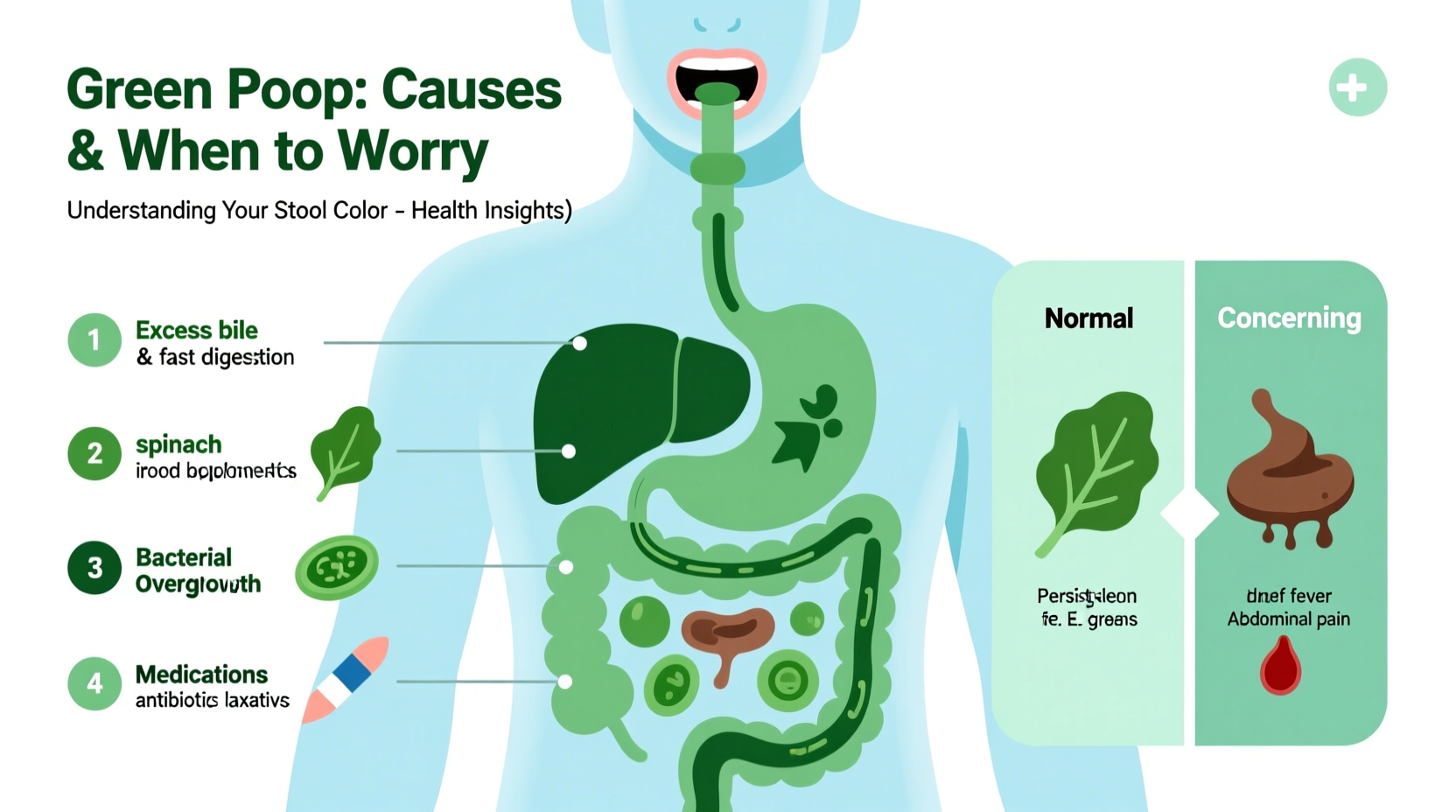
Stool color is primarily influenced by bile, a digestive fluid produced in the liver and stored in the gallbladder. Bile starts out green due to bilirubin breakdown products and gradually turns brown as it mixes with gut bacteria during digestion. When food moves too quickly through the intestines—a condition known as rapid transit—bile doesn’t have enough time to break down fully, leaving stool with a green tint.
Beyond speed of digestion, several other factors contribute to green-colored feces:
- Dietary choices: Consuming large amounts of leafy greens like spinach, kale, or parsley introduces chlorophyll, a natural green pigment.
- Food coloring: Artificial dyes in candies, drinks, or processed foods (especially blue or green) can mix with yellow digestive fluids to produce green stool.
- Iron supplements: Iron sulfate, commonly found in prenatal vitamins and anemia treatments, can react in the gut and cause dark green or even blackish stools.
- Antibiotics: These medications alter gut flora, potentially reducing the bacteria that convert bile into its usual brown form.
Common Causes of Green Stool
Most cases of green feces are benign and resolve on their own. Below are the most frequent triggers:
Diet High in Greens
People who follow plant-based diets or juice cleanses often report green stools. Chlorophyll not only colors the food but passes through the digestive tract largely unchanged, affecting stool appearance.
Artificial Food Dyes
Foods like green cupcakes, sports drinks, or brightly colored cereals contain synthetic dyes. Even small amounts can tint stool, especially if consumed on an empty stomach or in large quantities.
Gastrointestinal Infections
Viral or bacterial infections such as salmonella or norovirus can accelerate intestinal transit. This rapid movement prevents bile from changing to brown, resulting in green diarrhea. Infections may also cause fever, cramping, nausea, or vomiting.
Irritable Bowel Syndrome (IBS)
Individuals with IBS often experience altered bowel motility. During flare-ups, especially those involving diarrhea-predominant IBS (IBS-D), green stool is common due to fast transit times.
Medications and Supplements
Besides iron, certain antibiotics and antacids containing bismuth subsalicylate (like Pepto-Bismol) can interact with digestive chemicals and lead to green or even black stool.
“Green stool alone isn't a diagnosis—it’s a clue. Context matters: recent meals, symptoms, and overall health help determine whether it’s trivial or significant.” — Dr. Lena Patel, Gastroenterologist
When to Worry: Red Flags and Warning Signs
While green poop is usually temporary and harmless, persistent changes or accompanying symptoms may indicate a more serious condition. Seek medical evaluation if you notice any of the following:
- Green stool lasting longer than 7–10 days without dietary explanation
- Severe abdominal pain or cramping
- Frequent diarrhea lasting over two days
- Blood in stool (bright red or tarry black)
- Fever above 101°F (38.3°C)
- Unintentional weight loss
- Signs of dehydration (dizziness, dry mouth, reduced urination)
Chronic green diarrhea could point to malabsorption disorders like celiac disease, inflammatory bowel disease (IBD), or bile acid malabsorption. These conditions disrupt normal digestion and require diagnostic testing for proper management.
Do’s and Don’ts: Managing Green Stool at Home
| Do’s | Don’ts |
|---|---|
| Stay hydrated, especially with diarrhea | Ignore persistent symptoms beyond 10 days |
| Monitor your diet for patterns (greens, dyes, new foods) | Self-diagnose serious conditions like IBD |
| Keep a symptom journal including stool color and frequency | Stop prescribed medications without consulting a doctor |
| Gradually reintroduce fiber after illness | Consume excessive caffeine or alcohol during digestive upset |
Mini Case Study: Post-Antibiotic Green Diarrhea
Sarah, a 34-year-old teacher, completed a 10-day course of amoxicillin for a sinus infection. Three days after finishing the medication, she began experiencing loose, bright green stools. She had no fever or severe pain but felt bloated and fatigued. After reviewing her recent antibiotic use and ruling out dietary triggers, her doctor diagnosed her with antibiotic-associated gut dysbiosis. Sarah was advised to take a probiotic supplement and increase soluble fiber intake. Within five days, her stool returned to normal brown color and consistency.
This case illustrates how common medications can disrupt gut balance and lead to temporary color changes. It also highlights the importance of considering timing and context when evaluating stool abnormalities.
Step-by-Step Guide: Responding to Green Poop
- Assess recent diet: Did you eat leafy greens, blue/green dyed foods, or take iron supplements?
- Note symptom duration: Has the green color persisted beyond a few days?
- Check for additional symptoms: Look for fever, pain, blood, or weight loss.
- Review medications: Are you taking antibiotics, antacids, or other drugs that affect digestion?
- Hydrate and observe: Drink water, eat bland foods, and monitor changes.
- Consult a healthcare provider: If symptoms persist or worsen, schedule an appointment for further evaluation.
Frequently Asked Questions
Is green poop dangerous?
Not usually. Most cases are linked to diet or minor digestive changes. However, if green stool is accompanied by severe symptoms or lasts more than 10 days, it should be evaluated by a doctor.
Can teething cause green poop in babies?
Some parents report green stools during infant teething, possibly due to increased saliva swallowing, which may affect digestion. However, true causes like dietary changes (if starting solids), infections, or formula ingredients should be ruled out by a pediatrician.
Does green stool mean infection?
Not necessarily. While infections like gastroenteritis can cause green diarrhea, many non-infectious factors—including diet and medications—are more common culprits. Fever, vomiting, and cramps help distinguish infections from benign causes.
Conclusion
Green feces are more common than many realize and often reflect everyday choices rather than serious illness. From spinach smoothies to iron tablets, numerous harmless factors can temporarily alter stool color. But the digestive system communicates through changes like these, and paying attention pays off. By understanding what influences stool appearance and recognizing when symptoms go beyond the norm, you empower yourself to make informed health decisions.
If green poop persists or comes with troubling symptoms, don’t hesitate to reach out to a healthcare provider. Early insight can prevent complications and provide peace of mind. Listen to your body—it’s often telling you exactly what you need to know.




 浙公网安备
33010002000092号
浙公网安备
33010002000092号 浙B2-20120091-4
Comments
No comments yet. Why don't you start the discussion?