
For home cooks seeking authentic Asian flavors without the labor of handmade dough, Trader Joe’s green onion pancakes offer a convenient, high-quality solution. These ready-to-cook frozen flatbreads deliver the crisp, savory appeal of traditional Chinese cong you bing—flaky, layered wheat pancakes infused with fresh scallions—straight from the freezer to the skillet in under 10 minutes. As one of the most popular items in Trader Joe’s international frozen food lineup, they’ve earned a loyal following among busy families, college students, and culinary enthusiasts alike. Their accessibility, consistent quality, and versatility make them more than just a quick snack—they’re a pantry staple capable of anchoring full meals, serving as bases for creative appetizers, or enhancing weeknight dinners with minimal effort.
The availability of green onion pancakes at Trader Joe’s reflects a broader trend: the democratization of global cuisine through thoughtfully sourced frozen foods. Unlike many mass-produced frozen items that sacrifice flavor for convenience, these pancakes retain the essence of their handmade counterparts. They are not merely a processed shortcut but a legitimate representation of a centuries-old Chinese street food tradition, adapted for modern American kitchens. Understanding how to use them effectively—and appreciating what sets them apart from similar products—can transform an ordinary meal into something unexpectedly flavorful and satisfying.
Definition & Overview
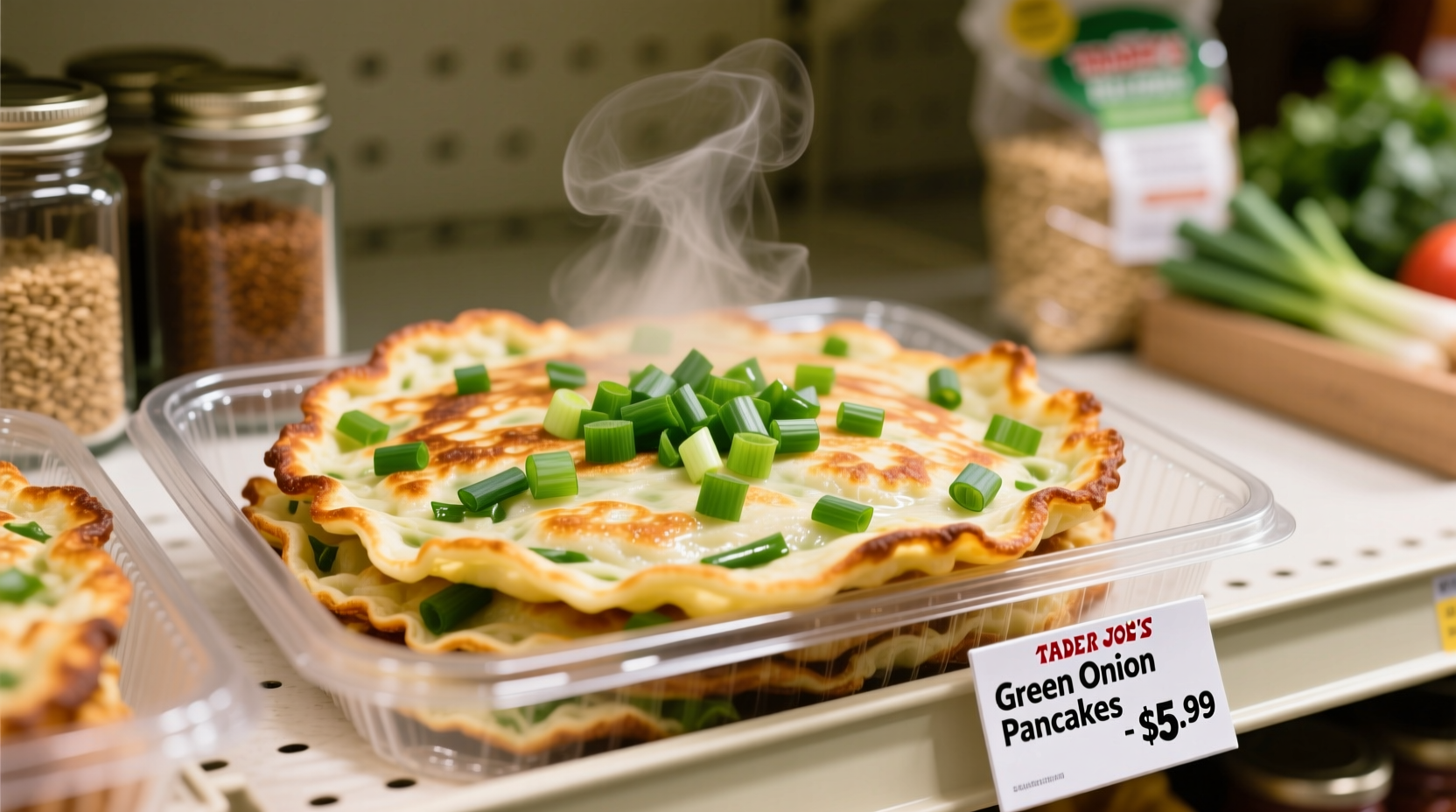
Green onion pancakes, known in Mandarin as cong you bing (葱油饼), are a type of Chinese flatbread originating in northern China. Despite the name, they are not sweet like Western-style pancakes but rather savory, laminated wheat-based discs pan-fried until golden and crisp on the outside, with tender, chewy layers within. The primary ingredients are wheat flour, water, salt, oil, and copious amounts of finely sliced scallions, which infuse the dough with aromatic freshness and subtle pungency.
Traditionally, the dough is rolled out, brushed with oil and scallions, then coiled and flattened again to create multiple flaky layers—a technique similar to making puff pastry or paratha. This layering process is what gives homemade versions their distinctive texture. At Trader Joe’s, the version sold is a commercially prepared interpretation of this method, designed to replicate the flakiness and scallion-forward profile while remaining shelf-stable when frozen.
Sold in packages of four oval-shaped pancakes (approximately 6–7 inches long), each weighing about 3.5 ounces, Trader Joe’s product is labeled simply as “Green Onion Pancakes” and found in the frozen Asian foods section. They are fully cooked but require reheating via pan-frying or baking to achieve optimal texture. No additional preparation—such as thawing or marinating—is needed before cooking.
Key Characteristics
| Attribute | Description |
|---|---|
| Flavor Profile | Savory, mildly salty, with bright, fresh notes from scallions; slight toasted wheat undertone from frying. |
| Aroma | Pronounced scallion fragrance, especially when heated; faintly buttery or oily scent from cooking fat. |
| Texture | Crisp outer crust with soft, slightly chewy inner layers; flakiness develops during reheating. |
| Color/Form | Oval-shaped, golden-brown exterior, pale green speckling from scallions visible on cut edges. |
| Heat Level | None; entirely non-spicy unless paired with hot sauces or condiments. |
| Culinary Function | Appetizer base, side dish, sandwich vessel, or component in composed plates (e.g., topped with proteins or vegetables). |
| Shelf Life | Up to 12 months frozen; best consumed within 3 months for peak texture and flavor. |
Practical Usage: How to Use Trader Joe’s Green Onion Pancakes
The true value of Trader Joe’s green onion pancakes lies in their adaptability. While they can be enjoyed straight from the pan with no additions, their real potential emerges when used as a foundation for more complex dishes. Proper cooking technique is essential to unlocking their ideal texture.
Cooking Instructions (Pan-Fry Method)
- Remove pancakes from freezer and let sit at room temperature for 3–5 minutes (do not thaw completely).
- Heat 1–2 tablespoons of neutral oil (like canola or vegetable) in a nonstick skillet over medium heat.
- Place pancake in the pan and cook for 2–3 minutes per side, pressing gently with a spatula to ensure even contact.
- Flip when golden brown and crisp; repeat on second side until both are evenly browned and heated through.
- Drain briefly on paper towels if desired, then serve immediately.
This method yields the best results—crisp exterior, warm interior, maximum scallion aroma. Avoid microwaving, as it produces a rubbery texture and fails to restore flakiness.
Versatile Applications in Home Cooking
- As a Standalone Snack or Side: Serve warm with soy sauce, chili oil, or a dipping sauce made from rice vinegar, sesame oil, and a pinch of sugar.
- Breakfast Base: Top with a fried egg, avocado slices, and sriracha for a fusion-style morning dish.
- Protein Carrier: Use like a wrap by filling with shredded chicken, beef, or tofu stir-fry. Fold like a burrito or slice open like a pita.
- Appetizer Platform: Cut into strips or wedges and top with smoked salmon, cream cheese, and chives for an elegant hors d'oeuvre.
- Pizza Analogy: Treat as a flatbread base—add mozzarella, grilled vegetables, and a drizzle of hoisin sauce for an East-meets-West fusion pie.
Pro Tip: For extra crispness and richness, brush the surface with sesame oil after cooking. Alternatively, sprinkle with toasted sesame seeds or a pinch of flaky sea salt before serving to enhance depth of flavor.
Professional Culinary Techniques (Adaptable at Home)
In restaurant kitchens, chefs often re-crisp frozen pancakes quickly during service, using flat-top griddles for efficiency. A professional touch involves double-frying: first briefly in oil to rehydrate and loosen layers, then finishing in a dry pan to crisp. While not necessary at home, a modified version can be achieved by lightly spraying the pancake with oil and finishing under a broiler for 1–2 minutes.
Some upscale Chinese-American restaurants serve green onion pancakes alongside Peking duck as an alternative to traditional pancakes. You can replicate this at home by pairing Trader Joe’s version with hoisin sauce, cucumber matchsticks, and thinly sliced roast duck or turkey.
Variants & Types
While Trader Joe’s offers only one version of green onion pancake, it’s useful to understand how it compares to other available forms in the market—both commercial and homemade.
| Type | Characteristics | Best Use Case |
|---|---|---|
| Trader Joe’s Frozen Pancakes | Pre-cooked, frozen, oval-shaped, consistent size, moderate scallion content. | Quick meals, everyday use, beginner-friendly. |
| Frozen Store-Bought (Other Brands) | Often less flaky, higher sodium, sometimes contain preservatives or artificial flavors. | Budget option where TJ’s isn’t available. |
| Fresh-Made (Asian Markets) | Sold refrigerated, usually uncooked; requires pan-frying; superior texture and aroma. | When authenticity and freshness are priorities. |
| Homemade Cong You Bing | Customizable thickness, scallion ratio, and layering; time-intensive but highest quality. | Weekend cooking projects, special occasions. |
| Vegan/Gluten-Free Alternatives | Rare; some specialty brands offer gluten-free versions using rice or chickpea flour. | Dietary restrictions; typically lower in flakiness. |
Notably, Trader Joe’s version strikes a balance between convenience and quality. It lacks the gumminess common in lower-tier frozen brands and avoids excessive oiliness, which plagues some imported varieties. However, those seeking a thinner, crispier result may prefer fresh refrigerated versions from local Asian grocers.
Comparison with Similar Ingredients
Green onion pancakes are frequently mistaken for other flatbreads or pancakes. Clarifying these distinctions ensures proper usage and expectations.
| Item | Differences from Trader Joe’s Green Onion Pancakes |
|---|---|
| Scallion Buns (Cong You Hua Juan) | Steamed or baked, softer texture, often round and coiled; not crispy. More bread-like than pancake-like. |
| Potato Pancakes (Latkes) | Grated potato base, Jewish origin, denser, starchier, often bound with egg. Not interchangeable. |
| Spring Onion Roti | South Asian variant, often made with ghee, served with curry. Typically flatter and chewier. |
| Naan or Garlic Naan | Tandoor-baked, leavened, pillowy texture. Garlic naan has similar aromatics but different structure and origin. |
| Egg Rolls or Spring Rolls | Fried wrappers filled with vegetables/meat. Misidentified due to “pancake” terminology in translation. |
The key differentiator of green onion pancakes is their **laminated, unleavened dough** and **pan-fried preparation**, which creates distinct separation between layers. Unlike roti or naan, they do not rely on yeast or baking; unlike latkes, they are not primarily starchy. This makes them unique in both texture and function.
Practical Tips & FAQs
Can I bake these instead of frying?
Yes. Preheat oven to 400°F (200°C). Place pancakes on a parchment-lined baking sheet, brush lightly with oil, and bake for 10–12 minutes, flipping halfway, until crisp. Results are good but slightly less flaky than pan-frying.
Are Trader Joe’s green onion pancakes vegan?
Yes. According to the ingredient list, they contain only wheat flour, water, green onions, soybean oil, salt, and baking powder—no animal products or dairy.
How should I store leftovers?
Once cooked, they do not keep well at room temperature. Reheat in a skillet for best results. Do not refreeze after cooking. Uncooked pancakes can remain in the freezer up to 12 months if sealed properly.
What dipping sauces pair well?
Popular options include:
- Soy sauce mixed with rice vinegar and chili garlic paste
- Hoisin sauce thinned with water or lime juice
- Peanut sauce (peanut butter, soy sauce, honey, ginger)
- Simple ponzu or wasabi mayo
Can I add ingredients before cooking?
Not recommended. The pancakes are pre-cooked and sealed. Adding fillings would require deconstructing and reforming the dough, defeating the purpose of convenience. Instead, add toppings after reheating.
Why are my pancakes soggy?
Sogginess usually results from insufficient oil, low heat, or overcrowding the pan. Ensure the skillet is hot before adding the pancake and use enough oil to promote browning. Avoid covering the pan, as trapped steam softens the crust.
Are they healthy?
Moderation is key. Each pancake contains approximately 180–200 calories, 8–10g fat (mostly from soybean oil), and 20g carbohydrates. They are low in fiber and protein but free from trans fats and artificial additives. Best treated as an occasional indulgence or complement to balanced meals rich in vegetables and lean protein.
Storage Checklist:
- Keep unopened package in the coldest part of the freezer.
- Transfer to airtight container if repackaging.
- Label with purchase date; aim to use within 3 months.
- Do not thaw before cooking—adds moisture and reduces crispness.
“The beauty of a good green onion pancake is in its simplicity—flour, oil, scallions, fire. When done right, it’s a study in texture and aroma. Trader Joe’s version doesn’t replace the hand-rolled kind, but it comes remarkably close for something frozen.” — Chef Mei Lin, James Beard Award-winning chef and former Top Chef winner
Summary & Key Takeaways
Trader Joe’s green onion pancakes are a standout example of how frozen foods can deliver genuine culinary satisfaction without demanding hours in the kitchen. Rooted in Chinese tradition yet tailored for American consumers, they offer a reliable way to enjoy a beloved street food classic with minimal effort.
They are savory, scallion-rich flatbreads that reheat quickly in a skillet to achieve a crisp, flaky texture. Their flavor is clean and aromatic, with no artificial aftertaste, and they perform well across a range of applications—from simple snacks to elevated dinner components.
Unlike similar products, Trader Joe’s version maintains a careful balance between authenticity and convenience. It outperforms many generic frozen alternatives in texture and ingredient quality, though it cannot fully replicate the nuance of fresh, handmade cong you bing.
To get the most from these pancakes:
- Always pan-fry for optimal crispness.
- Pair with bold dipping sauces or use as a base for proteins and vegetables.
- Store properly in the freezer and avoid premature thawing.
- Experiment beyond the basics—try them in breakfast bowls, sandwiches, or as appetizer slates.
Ultimately, the availability of green onion pancakes at Trader Joe’s represents more than just a grocery item—it’s a gateway to global flavors, accessible to anyone with a skillet and a few spare minutes. Whether you're feeding a family, hosting guests, or simply treating yourself to something delicious, these pancakes prove that convenience and quality can coexist.
Next time you're at Trader Joe’s, pick up a box—keep them stocked in your freezer, and discover how one simple flatbread can inspire a week’s worth of inventive, flavorful meals.




 浙公网安备
33010002000092号
浙公网安备
33010002000092号 浙B2-20120091-4
Comments
No comments yet. Why don't you start the discussion?