
Stool color can reveal more about your health than you might think. While brown is the standard, green poop is surprisingly common and often harmless. However, in some cases, it may signal an underlying issue that requires attention. Understanding why your stool turns green — from diet to digestion speed to infection — helps distinguish between normal variation and a warning sign. This guide breaks down the science behind green stools, identifies key triggers, and clarifies when it’s time to consult a healthcare provider.
Why Does Poop Turn Green?
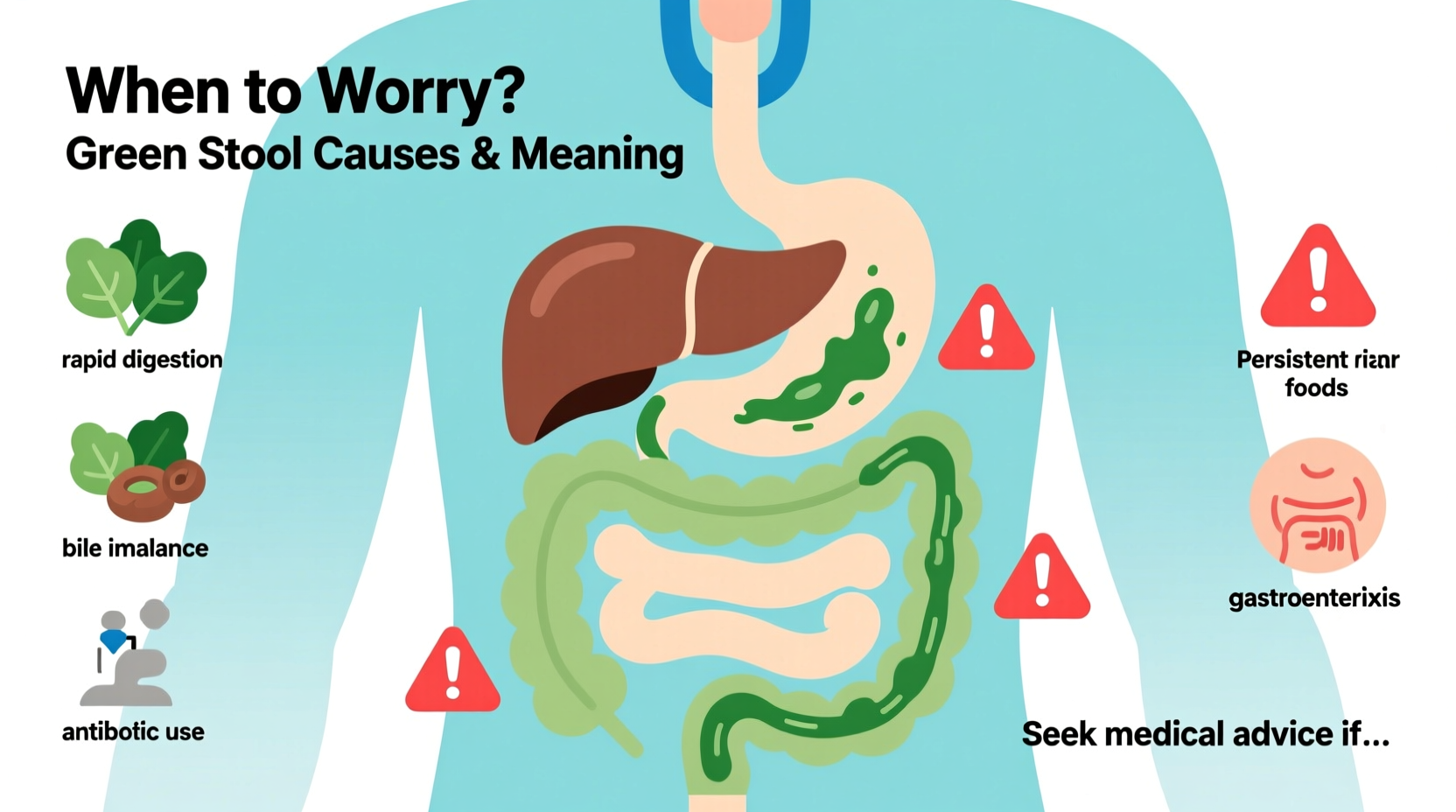
The color of your stool primarily depends on your diet, bile production, and how quickly food moves through your digestive tract. Bile, a fluid produced by the liver and stored in the gallbladder, starts out green and gradually turns brown as it mixes with food and bacteria in the intestines. If digestion happens too quickly, bile doesn’t have enough time to break down fully, resulting in green-colored stool.
Common non-medical reasons for green poop include:
- Consuming large amounts of leafy green vegetables like spinach, kale, or broccoli
- Eating foods with green food coloring (e.g., candies, drinks, ice pops)
- Taking iron supplements or certain medications
- Drinking green smoothies or protein shakes with chlorophyll-rich ingredients
In most cases, dietary green poop resolves within a day or two once the triggering food or supplement is discontinued.
Medical Conditions That Can Cause Green Stools
While green poop is usually benign, persistent or symptomatic green stool may point to a medical condition. Here are several health issues associated with green-colored feces:
- Gastroenteritis (stomach flu): Viral or bacterial infections can accelerate intestinal transit, reducing bile breakdown and leading to green, watery stools.
- Irritable Bowel Syndrome (IBS): Some individuals with IBS experience rapid gut motility, especially during flare-ups, which can result in green stool.
- Inflammatory Bowel Disease (IBD): Crohn’s disease or ulcerative colitis may cause inflammation that alters digestion and stool appearance.
- Bacterial overgrowth or infection: Pathogens like Salmonella or Clostridium difficile can change stool color and consistency.
- Malabsorption disorders: Conditions such as celiac disease impair nutrient absorption and may affect stool color.
If green stool is accompanied by diarrhea lasting more than 48 hours, fever, abdominal pain, or blood in the stool, further evaluation is warranted.
When to Worry: Red Flags to Watch For
Most episodes of green poop are temporary and resolve without intervention. However, certain symptoms suggest a need for medical assessment. The following table outlines when green stool is likely harmless versus when it may indicate a problem.
| Scenario | Green Poop Likely Harmless? | Action Recommended |
|---|---|---|
| After eating spinach salad or green smoothie | Yes | Monitor for one or two bowel movements |
| Short-term diarrhea after food poisoning | Yes | Stay hydrated; observe improvement |
| Persistent green diarrhea for more than 3 days | No | Consult doctor; possible infection |
| Green stool with severe cramping and fever | No | Seek medical evaluation |
| Green stool with mucus or blood | No | Urgent medical consultation needed |
“Stool color alone isn’t diagnostic, but when combined with other symptoms like weight loss, pain, or prolonged diarrhea, it becomes a valuable clue in assessing gut health.” — Dr. Lena Patel, Gastroenterologist
Real-Life Example: A Case of Misdiagnosed Green Stool
Sarah, a 32-year-old teacher, noticed her stool had turned bright green after a week of drinking daily green detox smoothies. She wasn’t concerned at first, assuming it was the kale and spirulina. But when the color persisted beyond five days and she developed bloating and loose stools, she consulted her primary care physician. Tests revealed a mild case of small intestinal bacterial overgrowth (SIBO), likely exacerbated by her high-fiber diet and previous antibiotic use. With targeted treatment and dietary adjustments, her symptoms resolved within three weeks.
This case illustrates how a seemingly harmless dietary choice can unmask or worsen an underlying condition. It also underscores the importance of not dismissing persistent changes in bowel habits.
Step-by-Step Guide: What to Do If You Have Green Poop
If you notice green stool, follow this practical timeline to assess whether it’s normal or concerning:
- Day 1–2: Observe and reflect – Consider recent meals, supplements, or illnesses. Did you eat something green? Start a brief journal noting food intake and symptoms.
- Day 3: Evaluate persistence – If green stool continues and you’ve stopped consuming green foods, monitor for additional symptoms like cramps, nausea, or fatigue.
- Day 4–5: Assess severity – Look for red flags: fever, blood in stool, dehydration, or worsening diarrhea. If present, contact a healthcare provider.
- Day 6+: Persistent change? – Schedule a visit with your doctor. They may recommend stool tests, blood work, or dietary review.
- Follow-up – If diagnosed with a condition like infection or IBS, adhere to treatment and track improvements in stool color and consistency.
Frequently Asked Questions
Can antibiotics cause green poop?
Yes. Antibiotics disrupt the balance of gut bacteria, which can affect how bile is processed and lead to green or even black stools. This side effect is usually temporary and resolves after completing the course.
Is green poop dangerous during pregnancy?
Not typically. Hormonal changes and prenatal vitamins (especially those with iron) commonly alter stool color. However, if green poop is accompanied by severe diarrhea or dehydration, consult your OB-GYN.
Does green stool mean I have an infection?
Not necessarily. While infections like gastroenteritis can cause green diarrhea, the presence of other symptoms—such as high fever, vomiting, or bloody stool—is more telling than color alone.
Checklist: When to See a Doctor About Green Stool
- ✅ Green diarrhea lasting longer than 3 days
- ✅ Abdominal pain or cramping that interferes with daily life
- ✅ Fever above 100.4°F (38°C)
- ✅ Blood or mucus visible in stool
- ✅ Signs of dehydration (dry mouth, dizziness, reduced urination)
- ✅ Unexplained weight loss alongside stool changes
- ✅ History of gastrointestinal disorders (IBS, IBD, celiac)
Conclusion: Listen to Your Body
Green poop is usually a fleeting response to diet or minor digestive shifts. In the vast majority of cases, it’s nothing to fear. But your digestive system communicates through patterns—color, frequency, consistency—and learning to interpret these signals empowers you to take control of your health. Don’t ignore persistent changes, especially when paired with discomfort or systemic symptoms. By paying attention early, you can catch potential issues before they escalate.




 浙公网安备
33010002000092号
浙公网安备
33010002000092号 浙B2-20120091-4
Comments
No comments yet. Why don't you start the discussion?