
Collarbone chains have become a staple in modern jewelry wardrobes—minimalist yet striking, versatile enough for daywear and elegant enough for evening events. As this trend has evolved, so too has the range of available finishes. Among them, green gold (often referred to as \"rose gold\" with a warmer tint) and classic yellow gold are two popular choices. But does the color truly impact your look, durability, or personal style—or is the distinction mostly driven by fashion marketing?
The answer lies somewhere between personal preference, biological factors like skin tone, and long-term wearability. Let’s explore what sets green and gold collarbone chains apart, why the choice matters beyond aesthetics, and how to decide which one aligns best with your lifestyle.
Understanding Green Gold vs Yellow Gold
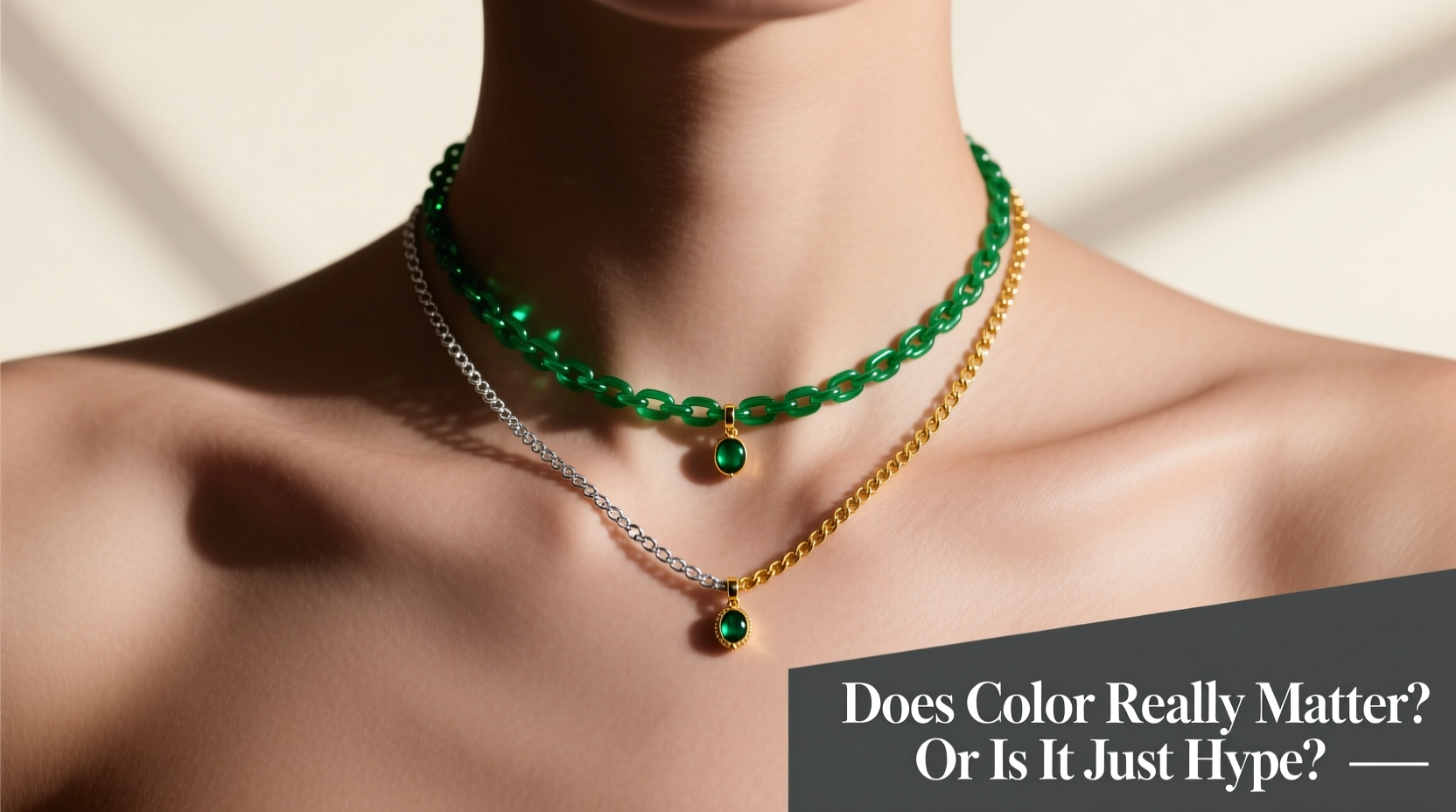
First, clarify the terminology. “Green gold” isn’t a naturally occurring hue but rather an alloy blend that gives gold a subtle greenish or pale yellow-green tint. It typically contains higher proportions of silver and sometimes cadmium or zinc, reducing copper content found in rose gold. This creates a cooler-toned gold, less warm than traditional yellow gold.
Yellow gold, on the other hand, is the classic formulation—usually 75% pure gold mixed with copper and silver (for 18K), offering that rich, radiant glow most associate with luxury and timelessness.
Both can be used in delicate collarbone chains, often ranging from 14K to 18K purity. The structural integrity and thickness (measured in mm) matter more for durability than color—but the visual effect varies significantly based on tone and finish.
Skin Tone Compatibility: Which Color Flatters You?
Jewelry doesn’t exist in a vacuum—it interacts with your skin. Choosing between green and yellow gold should consider undertones. Warm undertones (peachy, golden, or olive skin) tend to harmonize with yellow gold, enhancing radiance. Cool undertones (pink, red, or bluish hues) often pair better with white or green gold, creating contrast without clashing.
Green gold, due to its slightly silvery cast, bridges the gap between yellow and white gold. It works especially well for neutral or cool-complexioned individuals who want a hint of warmth without the boldness of traditional yellow gold.
“Color harmony between skin and metal can elevate even the simplest piece. Green gold offers a sophisticated middle ground.” — Lena Torres, Jewelry Stylist & Founder of Aura Adornments
Quick Skin Tone Assessment Guide
- Vein Test: Look at your wrist under natural light. If veins appear blue/purple, you likely have warm undertones; greenish veins suggest cool.
- Jewelry Try-On: Silver enhances your look? Cool tone. Gold flatters more? Warm tone.
- Sun Reaction: Burn easily? Often linked to cooler skin. Tan deeply? Usually warmer.
Comparing Durability and Maintenance
While both metals use karat-rated gold, their alloy composition affects strength and maintenance needs. Here's a direct comparison:
| Metal Type | Karat (Typical) | Durability | Tarnish Resistance | Care Frequency |
|---|---|---|---|---|
| Yellow Gold | 14K–18K | High (copper adds hardness) | Excellent | Low – polish every 3–6 months |
| Green Gold | 14K–18K | Moderate (silver softens alloy) | Good (may dull over time) | Moderate – clean monthly |
Because green gold contains more silver, it may oxidize slightly faster when exposed to moisture, sweat, or chemicals. While not prone to rust, prolonged exposure can lead to surface dulling. Yellow gold remains more stable, retaining luster longer with minimal care.
Style Context: Matching Chains to Your Wardrobe
A collarbone chain isn’t worn in isolation—it complements necklines, clothing colors, and other accessories. Consider these real-world scenarios:
Case Study: Office Elegance vs Evening Glamour
Alexa, a marketing executive in her early 30s, owns both a 16-inch green gold cable chain and a vintage-inspired yellow gold figaro chain. During work hours, she wears the green gold piece with crisp white shirts and black turtlenecks. Its cooler tone aligns with her silver-framed glasses and minimalist aesthetic, projecting professionalism without flashiness.
For weekend dinners or date nights, she switches to the yellow gold chain layered with a pendant. Paired with warm-toned makeup and a silk blouse, the richer metal enhances her confidence and femininity. She notes, “One isn’t better—it’s about context. Green feels modern; gold feels timeless.”
This illustrates a broader truth: the right color amplifies your intended message. Green gold leans contemporary, ideal for tech-forward or Scandinavian-inspired styles. Yellow gold evokes heritage, romance, and opulence—perfect for vintage lovers or those embracing maximalism.
Is the Trend Just Hype?
Fashion cycles amplify certain finishes each season. In recent years, green gold gained traction through influencer culture and high-end brands like Cartier and Tiffany promoting “warm neutrals” and “vintage revival” themes. Some retailers market green gold as rare or exclusive, despite it being a standard alloy option.
Yet, consumer demand reflects genuine appeal—not just manipulation. A 2023 survey by *Luxury Jewelry Insights* found that 42% of buyers under 35 chose non-traditional gold hues (including green and rose) for their uniqueness and compatibility with diverse wardrobes.
So while marketing plays a role, the staying power of green gold suggests it’s more than fleeting hype. It fills a niche: a gold that doesn’t scream wealth, fits monochrome outfits, and appeals to gender-neutral styling trends.
How to Choose the Right One: A Step-by-Step Decision Framework
- Assess Your Skin Tone: Use the vein or jewelry test to determine warmth or coolness.
- Evaluate Your Closet Palette: Do you wear more blacks, grays, and whites (cooler)? Or browns, creams, and rusts (warmer)?
- Consider Daily Wear Conditions: Will the chain face frequent water, perfume, or friction? Opt for yellow gold if durability is key.
- Try Before You Buy: Visit a jeweler to drape both options near your collarbone under daylight.
- Think Long-Term: Will this piece still feel relevant in five years? Timeless yellow gold often wins here.
Frequently Asked Questions
Can green gold turn my skin green?
No—true green gold made with quality alloys will not discolor skin. However, low-karat or plated versions containing base metals like copper or nickel might cause reactions in sensitive individuals. Always verify metal composition.
Is green gold more expensive than yellow gold?
Not inherently. Price depends on karat weight, craftsmanship, and brand—not color. However, limited-edition green gold pieces may carry a premium due to perceived exclusivity.
Can I resize or repair a green gold chain?
Yes, but ensure your jeweler has experience with colored gold alloys. Improper heating during soldering can alter the hue. Always disclose the metal type before any service.
Final Checklist Before Buying
- ✅ Verified karat stamp (e.g., 14K or 18K)
- ✅ Matched with your dominant skin undertone
- ✅ Suitable length (16–18 inches typical for collarbone fit)
- ✅ Secure clasp type (lobster or spring ring preferred)
- ✅ Care instructions provided by seller
Conclusion: Make It Meaningful, Not Just Trendy
The debate between green and gold collarbone chains isn’t about which is objectively superior—it’s about alignment. Alignment with your skin, your style identity, and your daily life. While trends come and go, the most enduring accessories are those that feel authentic to who you are.
Don’t choose a color because it’s trending on social media. Choose it because it catches the light just right when you walk into a room. Because it makes you pause and smile when you catch your reflection. Because it tells a quiet story of intentionality.




 浙公网安备
33010002000092号
浙公网安备
33010002000092号 浙B2-20120091-4
Comments
No comments yet. Why don't you start the discussion?