
Grilled potatoes are a staple of outdoor cooking—earthy, smoky, and crisp at the edges, tender within. They elevate backyard barbecues, complement grilled meats, and serve as satisfying vegetarian mains. Yet many home cooks struggle with uneven cooking, sticking, or dry interiors when attempting them. The key lies not in complexity but in understanding technique: selecting the right variety, prepping properly, managing heat, and timing the cook. This guide delivers a complete methodology grounded in culinary science and field-tested practice, enabling consistent, restaurant-quality results on gas, charcoal, or pellet grills.
Definition & Overview
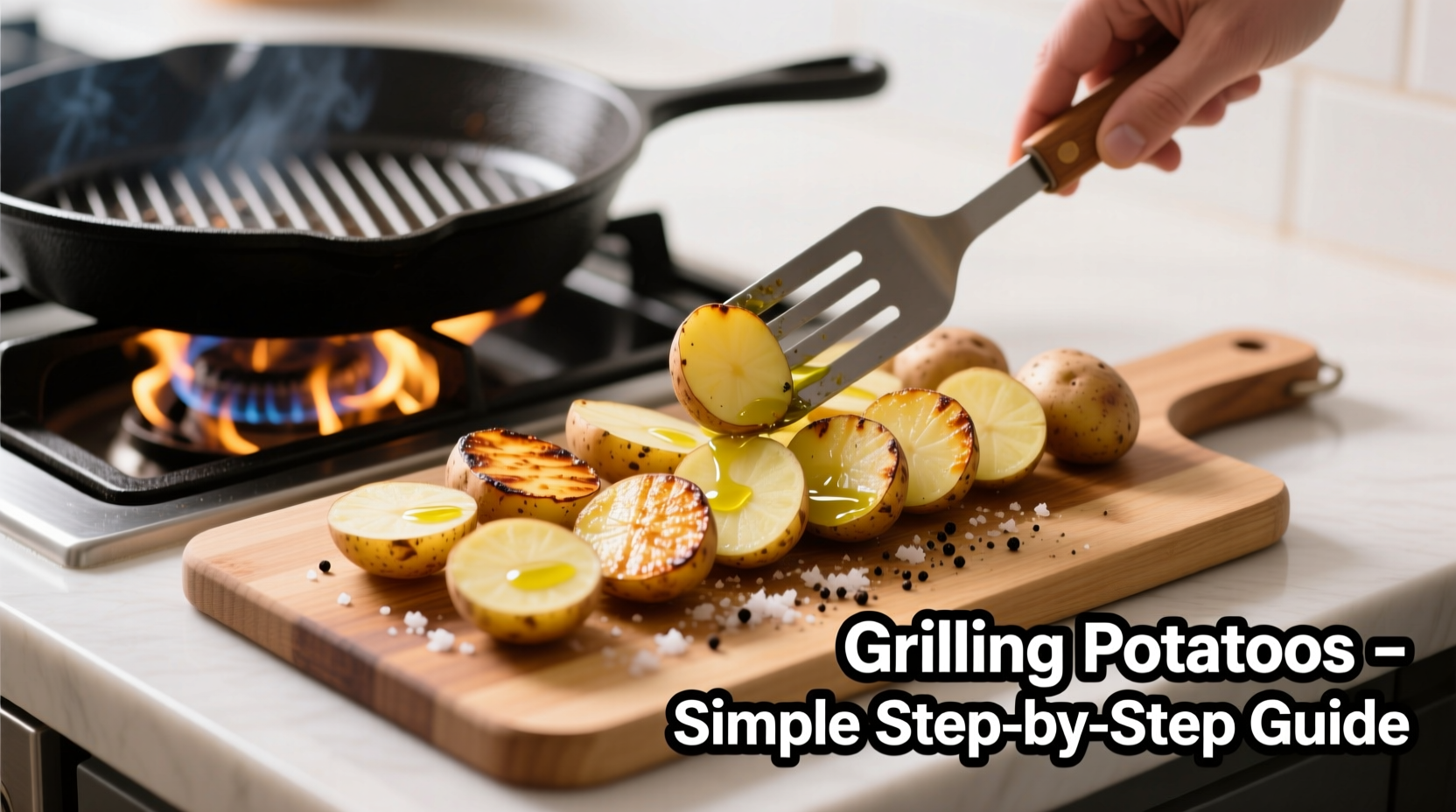
Grilling potatoes involves cooking whole, halved, sliced, or cubed potatoes directly over open flame or indirect heat using a barbecue grill. Unlike boiling or roasting, grilling imparts a distinct charred exterior and smoky depth while preserving structural integrity. Potatoes respond well to high-heat exposure due to their starch composition, which gelatinizes under sustained warmth, creating a creamy interior when protected from desiccation.
The process typically includes par-cooking, oiling, seasoning, and strategic placement on the grill grate. While often considered a side dish, grilled potatoes can anchor grain bowls, salads, or breakfast skillets. Their versatility spans global cuisines—from Spanish patatas bravas (adapted on grill) to Middle Eastern-inspired za'atar-dusted spuds.
Key Characteristics of Grilled Potatoes
- Flavor: Earthy-sweet base enhanced by caramelization and smoke; receptive to herbs, spices, and fats.
- Texture: Crisp exterior with slight char; fluffy or waxy interior depending on variety.
- Aroma: Smoky, toasted skin notes with herbal or garlicky accents if seasoned.
- Color: Golden-brown to deep amber crust; pale yellow to white flesh.
- Cooking Function: Conducts well over radiant and convective heat; ideal for direct and indirect grilling.
- Shelf Life (Post-Cook): Best served immediately; leftovers keep refrigerated up to 4 days, reheat poorly without moisture restoration.
Pro Insight: Parboiling is non-negotiable for thick-cut pieces. It ensures even doneness without burning the outside. Skipping this step risks raw centers and carbonized skins.
Practical Usage: How to Grill Potatoes – Step by Step
Success hinges on preparation, temperature control, and attention to cut size. Follow this detailed method for foolproof results across all grill types.
- Select the Right Variety
Choose based on desired texture:- Russet: High-starch, fluffy interior. Ideal for large wedges or whole small potatoes.
- Yukon Gold: Medium-starch, buttery mouthfeel. Excellent for halved or quartered cuts.
- Fingerling or Red Bliss: Waxy, firm-fleshed. Best for skewering or grilling whole without disintegration.
- Prep the Potatoes
Wash thoroughly. Peel only if desired (skin adds flavor and structure). Cut uniformly:- Wedges: Quarter lengthwise for russets.
- Halves/Quarters: For Yukon Golds and fingerlings.
- Cubes (1.5 inches): For kabobs or foil packets.
- Par-Cook via Boiling
Place cut potatoes in cold salted water (1 tbsp salt per quart). Bring to a boil. Cook until just tender—about 8–10 minutes for cubes, 12–15 for wedges. Test with a knife: it should slide in with slight resistance.
Drain and let steam dry for 3–5 minutes. This reduces surface moisture, critical for browning. - Season and Oil
In a bowl, toss par-cooked potatoes with:- 2–3 tbsp olive oil or avocado oil per pound (ensures sheen and prevents sticking)
- 1 tsp kosher salt
- ½ tsp black pepper
- Optional additions: minced garlic, rosemary, thyme, smoked paprika, onion powder
- Preheat the Grill
Set up two zones:- Direct heat zone: 375°F–450°F (for searing and grill marks)
- Indirect heat zone: 325°F–350°F (for finishing without scorching)
- Grill Placement and Timing
Arrange potatoes cut-side down on the direct heat zone. Do not move for 4–6 minutes to allow crust formation.
Flip and cook another 4–5 minutes. Transfer to indirect side. Cover grill and cook 10–15 minutes more, depending on thickness, until center is tender when pierced.
For whole small potatoes (under 2\"), skip parboiling but wrap in heavy-duty foil with oil and seasonings. Grill 35–45 minutes, flipping once. - Final Touches
Remove from grill. Finish with flaky sea salt, chopped parsley, grated Parmesan, or a drizzle of herb-infused oil. Serve immediately.
Alternative Methods
Foil Packets: Combine potatoes with onions, bell peppers, and herbs. Seal tightly in double-layer foil. Grill over medium heat 25–35 minutes, flipping once. Minimizes cleanup and maximizes steam infusion.
Skewers: Alternate potato cubes with mushrooms, onions, or cherry tomatoes. Soak wooden skewers 30 minutes first. Grill 8–10 minutes total, rotating frequently.
Basket Method: Use a perforated grill basket for small pieces. Toss occasionally like stir-fry. Prevents loss through grates.
| Cut Type | Par-Cook? | Direct Heat | Indirect Finish | Total Grill Time |
|---|---|---|---|---|
| Wedges (Russet) | Yes (12 min) | 4–6 min/side | 10–12 min | 20–24 min |
| Halved Fingerlings | Yes (8 min) | 3–5 min/side | 8–10 min | 19–20 min |
| Whole Small Potatoes | No (foil-wrapped) | N/A | 35–45 min | 35–45 min |
| Kabob Cubes | Yes (10 min) | 2–3 min/turn | 6–8 min | 12–16 min |
Troubleshooting Tip: If potatoes stick, wait—they’ll release naturally once a crust forms. Forcing removal tears the flesh. Ensure grates are clean, hot, and well-oiled before placing food.
Variants & Types of Grilled Potatoes
Different preparations yield distinct textures and applications. Understanding these helps match technique to meal context.
1. Charred Wedges with Herb Butter
Cut russets into thick wedges, parboil, then grill over high heat. Finish with compound butter (parsley, lemon zest, garlic). Ideal for steak nights.
2. Mediterranean-Style Halves
Use Yukon Golds or red potatoes. Season with oregano, lemon juice, and extra virgin olive oil. Grill until golden. Serve atop arugula with feta.
3. Smoked Potato Planks
Slice ¾-inch cross-sections. Soak in brine (water, salt, sugar) 30 minutes. Smoke at 225°F for 1 hour, then finish over direct heat. Deeply flavored, ideal for fall menus.
4. Korean-Inspired BBQ Taters
Toss par-cooked cubes in gochujang glaze (gochujang, honey, soy, sesame oil). Grill quickly for sticky-sweet heat. Pair with grilled tofu or pork belly.
5. Campfire Foil Packets
All-in-one meals with corn, sausage, and potatoes. Season heavily, seal, and place near coals. Cook 40 minutes. Rustic, communal, minimal tools required.
Comparison with Similar Cooking Methods
Grilling differs significantly from other potato preparations. Understanding distinctions improves decision-making.
| Attribute | Grilled | Roasted | Boiled |
|---|---|---|---|
| Heat Source | Open flame / radiant heat | Oven convection | Submerged in liquid |
| Texture | Crisp exterior, smoky char | Evenly browned, crunchy edges | Uniformly soft, no crust |
| Flavor Profile | Smoky, caramelized, complex | Toasty, nutty, rich | Neutral, starchy, mild |
| Oil Requirement | Moderate (prevents sticking) | High (for browning) | None (unless mashed) |
| Best For | Outdoor meals, bold flavors | Indoor comfort dishes | Mashing, salads, soups |
\"Grilling transforms the humble potato into something elemental—crackling skin, smoke-kissed edges, a contrast that elevates it beyond mere starch. It’s one of the most underrated techniques in American backyard cooking.\" — Chef Elena Ruiz, James Beard Nominee for Regional American Cuisine
Practical Tips & FAQs
Can I grill frozen potatoes?
No. Frozen potatoes release excess moisture, leading to steaming instead of searing. Thawed pieces also lack structural integrity. Always use fresh.
Do I need to flip the potatoes?
Yes. At least once during direct heat phase. For even browning and controlled char, flip after initial crust forms. Use tongs or a spatula—forks pierce and leak starch.
Why did my potatoes turn out dry?
Overcooking or skipping parboil. Direct grilling dehydrates dense cores. Par-cooking ensures internal moisture retention. Also, avoid excessive turning, which exposes cut surfaces to heat.
How do I prevent sticking?
Three keys: (1) Clean, preheated grates; (2) Light oil coating on both potatoes and grates; (3) Patience—don’t force release before natural separation occurs.
What oils are best for grilling potatoes?
Choose high-smoke-point oils: avocado (520°F), refined olive (465°F), or grapeseed (420°F). Avoid unrefined coconut or extra virgin olive oil unless adding post-grill.
Can I use a pellet grill?
Absolutely. Pellet grills offer precise temperature control and intense smoke flavor. Use a mix of hickory or applewood for balanced profile. Sear over direct flame after indirect par-cook.
Are grilled potatoes healthy?
They retain nutrients better than boiling (less leaching). Skin-on versions provide fiber, potassium, and vitamin C. Control fat by measuring oil—2 tbsp per pound suffices.
Best wood pairings for smoked potatoes?
- Apple: Mild sweetness, complements rosemary and thyme.
- Hickory: Bold, bacon-like—ideal for meat-centric meals.
- Cherry: Subtle fruitiness, enhances glazes.
- Avoid mesquite: Overpowering; easily bitter.
Storage Note: Raw cut potatoes oxidize and discolor. If prepping ahead, submerge in cold water up to 2 hours before boiling. Never refrigerate raw cut potatoes—cold-induced sweetening promotes over-browning.
Substitutions and Dietary Adaptations
Vegan: Use plant-based oil and skip dairy finishes. Nutritional yeast adds umami in place of cheese.
Low-Sodium: Replace salt with citrus zest, garlic powder, or celery salt (lower sodium than table salt).
Gluten-Free: Naturally compliant. Verify spice blends (e.g., some pre-mixed rubs contain fillers).
Summary & Key Takeaways
Grilling potatoes successfully combines technique, timing, and ingredient knowledge. The foundation is uniform cutting and parboiling—non-negotiable steps for even doneness. Selecting the correct potato type (starchy, waxy, or all-purpose) aligns texture with presentation goals. High-heat searing followed by indirect finishing develops flavor complexity while protecting moisture.
Essential practices include:
- Always par-cook thick pieces to ensure internal tenderness.
- Use a two-zone fire for control over browning and doneness.
- Season after oiling for even adhesion.
- Resist moving too early—crust formation prevents sticking.
- Leverage foil, baskets, or skewers based on cut and meal format.
From simple campfire meals to gourmet backyard spreads, grilled potatoes offer unmatched versatility. Mastery lies not in equipment but in consistency of method. With this guide, any home cook can produce results that rival professional kitchens—crisp, aromatic, deeply flavorful, and universally appealing.
Ready to upgrade your grill game? Try the herb-garlic Yukon Gold method this weekend—serve with grilled chicken and a crisp white wine. Share your results and tag #GrilledPotatoGuide.




 浙公网安备
33010002000092号
浙公网安备
33010002000092号 浙B2-20120091-4
Comments
No comments yet. Why don't you start the discussion?