
Coriander (also known as cilantro in North America) is one of the most widely used herbs in global cuisine, prized for its bright, citrusy leaves and aromatic seeds. Yet many home cooks hesitate to grow it themselves, often finding store-bought bunches wilted or short-lived. The truth is, coriander is not only easy to cultivate but thrives when grown at home—provided you understand its unique growth cycle and environmental needs. Whether you're planning to garnish tacos, blend chutneys, or roast your own spice blends, growing coriander gives you unmatched freshness and control over flavor. This comprehensive guide walks through every stage of cultivation, from selecting seeds to harvesting both leaves and seeds, tailored specifically for novice gardeners.
Definition & Overview
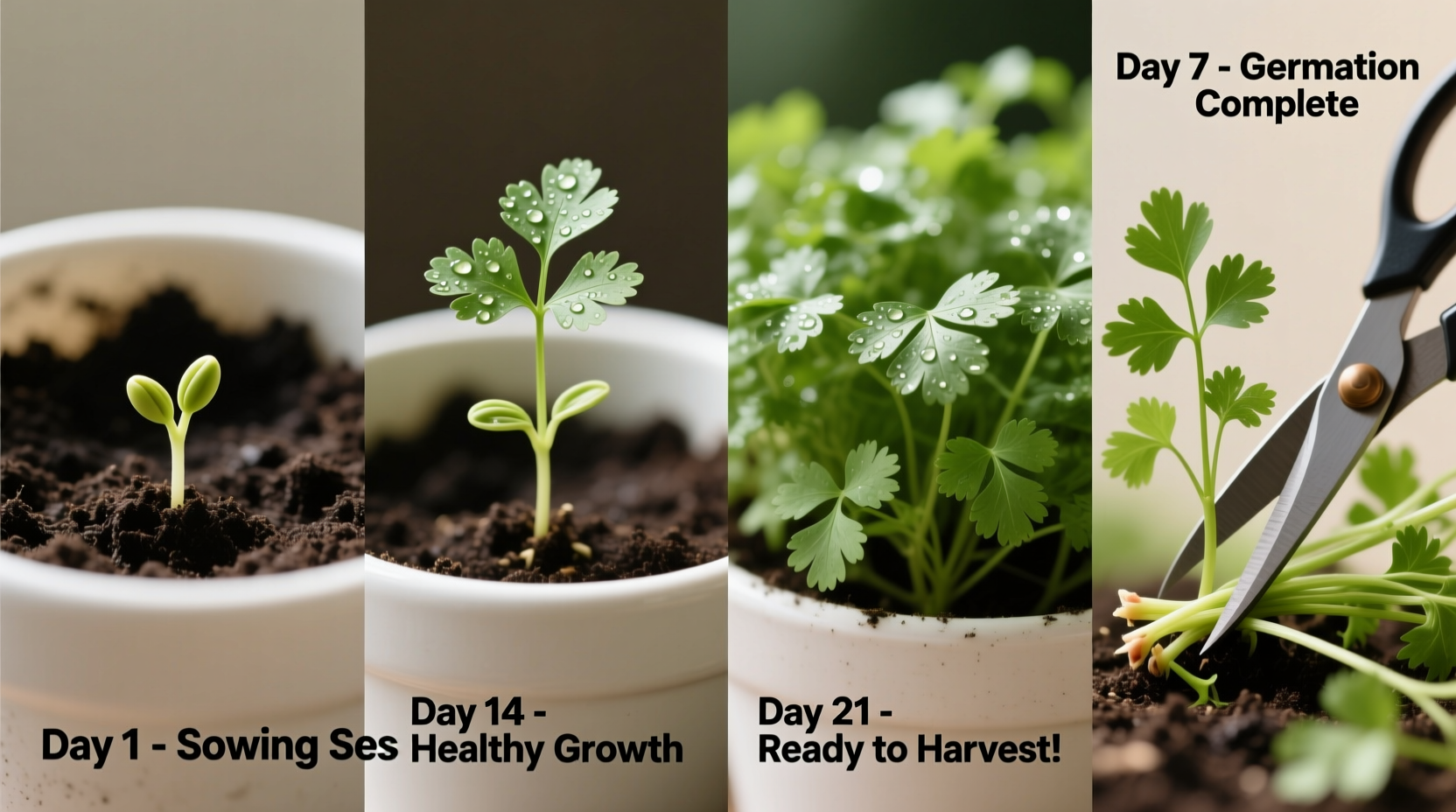
Coriander (Coriandrum sativum) is an annual herb in the Apiaceae family, which includes carrots, parsley, and dill. It is native to regions spanning Southern Europe, North Africa, and Western Asia. What makes coriander unique is its dual utility: the fresh green leaves are commonly called \"cilantro\" in the Americas, while the dried ripe seeds are referred to as \"coriander\" in culinary contexts worldwide.
The plant grows in a rosette pattern, starting with lacy, fern-like foliage that emits a pungent, polarizing aroma—often described as soapy by those with genetic sensitivity, and citrusy-camphorous by others. If allowed to mature, it sends up tall flowering stalks bearing small white or pinkish flowers, eventually developing into round, tan-colored seeds. Its lifecycle is relatively fast, typically completing within 45 to 70 days depending on conditions.
Culinary traditions across India, Mexico, Southeast Asia, the Middle East, and Latin America rely heavily on either the leaves or seeds. In Indian cooking, ground coriander seed is a cornerstone of curries and spice mixes; in Mexican salsas, fresh cilantro adds a cooling contrast to spicy chiles. Understanding how to grow this versatile herb empowers cooks to access both forms organically and seasonally.
Key Characteristics
| Attribute | Description |
|---|---|
| Flavor Profile (Leaves) | Bright, citrusy, slightly peppery; some detect a soapy note due to aldehyde compounds genetically linked to odor perception. |
| Flavor Profile (Seeds) | Warm, nutty, lemony-sweet when whole; becomes earthier and more aromatic when toasted or ground. |
| Aroma | Sharp and fresh in leaves; warm and spicy in dried seeds. |
| Color/Form | Feathery green leaves; spherical tan-to-brown seeds about 3–5 mm in diameter. |
| Heat Level | Non-pungent; does not contribute heat like chili peppers. However, the seed has mild warming properties in traditional medicine. |
| Culinary Function | Leaves: fresh garnish, raw preparation. Seeds: dried spice, pickling agent, base for curry powders. |
| Shelf Life (Fresh) | Fresh leaves last 5–7 days refrigerated; dry seeds retain potency for 1–2 years in airtight containers. |
Practical Usage in Cooking
Successfully growing coriander opens up two distinct culinary pathways: using the tender green leaves and harvesting the mature seeds. Each form plays a different role in the kitchen and requires specific handling techniques.
Using Fresh Leaves (Cilantro)
The leaves should be harvested young and used promptly for maximum flavor. They lose vibrancy quickly once cut, so picking just before use is ideal. To prepare:
- Rinse gently under cool water and pat dry with a clean towel.
- Remove thick stems unless finely chopped.
- Chop with a sharp knife—avoid blenders for garnishes to prevent bruising.
Common applications include:
- Stirring into salsas, guacamole, or raita for brightness.
- Garnishing soups like pho or dal.
- Blending into chutneys, pestos, or marinades.
- Adding at the end of cooking to preserve volatile oils.
TIP: Never cook fresh coriander leaves for extended periods. Prolonged heat dulls their flavor and can produce off-notes. Add them in the final minute of cooking or serve raw.
Using Coriander Seeds
The seeds develop after the plant flowers and are best harvested when fully mature and brown. Once collected, they can be used whole or crushed:
- Whole seeds: Ideal for pickling brines, stews, and slow-cooked dishes where gradual flavor release is desired.
- Toasted and ground: Enhances depth in curries, sausages, breads, and spice rubs. Toasting unlocks essential oils and reduces bitterness.
To toast coriander seeds:
- Place in a dry skillet over medium heat.
- Stir constantly for 2–3 minutes until fragrant and slightly darker.
- Cool completely before grinding in a mortar, spice mill, or coffee grinder dedicated to spices.
A classic application is blending freshly ground coriander with cumin, turmeric, and chili for homemade garam masala. The difference between pre-ground supermarket spice and home-harvested, freshly milled coriander is profound—brighter, more floral, and far less dusty.
Variants & Types
While all coriander belongs to the same species, several cultivars have been developed to suit different growing goals and climates. Choosing the right type significantly improves success rates, especially for beginners.
Leaf-Type Varieties (Slow-Bolt Cultivars)
These are bred specifically for leaf production and resist bolting (going to seed) longer under warm conditions. Recommended for cooks focused on fresh cilantro.
- 'Santo' or 'Costa Rican': Industry standard for commercial growers; holds well in heat.
- 'Calypso': Developed for uniform growth and disease resistance.
- 'Longstanding': Misleading name—it doesn’t live forever—but offers better heat tolerance than open-pollinated types.
Seed-Type Varieties
Selected for high seed yield and strong aromatics. These bolt quickly, making them less suitable for continuous leaf harvest but excellent if your goal is spice production.
- 'Moroccan': Compact plants with intense seed fragrance; popular in Middle Eastern gardens.
- 'Indian': Tall, prolific seeders with bold flavor; ideal for drying and grinding.
Microgreens and Baby Leaf Production
For ultra-fast results, coriander can be grown as microgreens. Sow densely in trays and harvest in 10–14 days when cotyledons are fully open. These tiny greens pack concentrated flavor and are perfect for gourmet plating, salads, or sandwiches.
TIP: Succession planting every 2–3 weeks ensures a steady supply of fresh leaves and prevents gaps in availability. This is especially important because coriander has a finite window for leaf production before bolting.
Comparison with Similar Ingredients
Coriander is often confused with other herbs and spices, both in naming and appearance. Clarifying these distinctions helps avoid culinary missteps.
| Ingredient | Difference from Coriander |
|---|---|
| Parsley (Flat-Leaf) | Often mistaken visually. Parsley has a cleaner, grassier taste and lacks citrus notes. More heat-stable; can be cooked longer without losing character. |
| Curry Leaves (Murraya koenigii) | Completely different plant. Used in South Indian cooking; must be fried in oil to release flavor. Not interchangeable with coriander. |
| Fennel | Also in Apiaceae family; feathery leaves resemble young coriander but smell distinctly anise-like. Fennel seeds are sweeter and licorice-forward. |
| Cumin vs. Coriander Seed | Both common in spice blends, but cumin is hotter, earthier, and amber-colored. Coriander seed is rounder, lighter in color, and more citrusy-sweet. |
\"Many home gardeners give up on coriander after one failed attempt. But the issue isn't the plant—it's timing and temperature. Grow it cool, grow it fast, and succession plant. That’s the secret.\" — Maria Chen, Urban Herb Educator, Brooklyn Botanic Garden
Step-by-Step Growing Guide
Follow this detailed process to grow coriander successfully, whether in garden beds, containers, or indoors.
1. Choose Your Growing Method
Coriander grows well in:
- Garden Beds: In loose, well-drained soil with full sun (6+ hours daily).
- Containers: Use pots at least 8–12 inches deep to accommodate taproots. Terracotta or fabric pots work well.
- Indoors: On sunny windowsills or under grow lights (minimum 14 hours/day).
2. Timing Is Critical
Coriander prefers cool weather. Planting times vary by climate zone:
- Cool Climates: Sow outdoors 2–3 weeks before last frost. Continue sowing every 3 weeks until daytime temps exceed 75°F (24°C).
- Mediterranean/Warm Climates: Fall planting (September–November) for winter/spring harvest. Avoid summer.
- Tropical Zones: High-elevation areas only during cooler months; otherwise, grow indoors with temperature control.
3. Prepare the Soil
Coriander dislikes compaction and poor drainage. Amend soil with compost or aged manure to improve structure. Ideal pH: 6.2–6.8.
- Sandy loam is optimal.
- Avoid nitrogen-heavy fertilizers—they promote weak, leggy growth.
- Light mulch helps retain moisture but keep away from stems to prevent rot.
4. Sowing Seeds
Direct seeding is preferred—coriander resents transplanting due to its taproot.
- Soak seeds in water overnight to speed germination (splitting the husk helps).
- Sow ¼ inch deep, 1–2 inches apart in rows or blocks.
- Keep soil consistently moist until sprouts emerge (7–14 days).
- Thin seedlings to 6–8 inches apart once true leaves appear.
5. Care & Maintenance
Water regularly but allow top inch of soil to dry between watering. Overwatering leads to root rot.
- No heavy feeding required. One side-dressing of compost tea at mid-growth is sufficient.
- Pinch outer leaves frequently to encourage bushiness.
- If bolting begins, cut the central flower stalk to delay seed formation and extend leaf harvest by 1–2 weeks.
6. Harvesting Leaves
Begin harvesting when plants reach 6 inches tall.
- Cut outer leaves first, leaving the center growth point intact.
- Harvest in the morning for peak essential oil concentration.
- Never remove more than one-third of the foliage at once.
7. Harvesting Seeds
Allow plants to flower and set seed if collecting coriander spice.
- Watch for seed heads turning from green to tan/brown.
- Cut entire stalks and place upside-down in a paper bag.
- Hang in a dry, ventilated area for 1–2 weeks until seeds drop naturally.
- Sift out debris and store seeds in glass jars away from light and heat.
TIP: Save some seeds for replanting. Home-saved coriander seeds remain viable for 3–4 years if stored properly. Label them with the harvest date.
Common Challenges & Troubleshooting
Even with proper care, issues arise. Here’s how to identify and resolve them:
Problem: Bolting Too Early
Cause: Heat stress, long daylight hours, or drought.
Solution: Grow in partial shade during warm seasons. Use shade cloth. Prioritize slow-bolt varieties. Practice succession planting.
Problem: Yellowing Leaves
Cause: Overwatering, poor drainage, or nutrient imbalance.
Solution: Reduce watering frequency. Improve soil aeration. Test pH and adjust if needed.
Problem: Aphids or Spider Mites
Cause: Dry conditions and lack of air circulation.
Solution: Spray leaves with water or insecticidal soap. Introduce beneficial insects like ladybugs.
Problem: Weak, Leggy Growth
Cause: Insufficient light, overcrowding, or excessive nitrogen.
Solution: Thin seedlings. Move containers to brighter locations. Avoid synthetic fertilizers.
Storage & Preservation Tips
Maximize shelf life and usability with smart storage methods.
Fresh Leaves
- Refrigerator: Place stems in a jar with an inch of water, cover loosely with a plastic bag. Lasts up to 10 days.
- Freezing: Chop and freeze in ice cube trays with water or oil. Use directly in cooked dishes.
- Drying: Not recommended—leaves lose nearly all flavor when dehydrated.
Seeds
- Store whole seeds in airtight glass jars in a cool, dark cupboard.
- Grind only what you need—ground coriander loses potency within months.
- Label jars with harvest or purchase date for rotation.
Summary & Key Takeaways
Growing coriander successfully hinges on understanding its biology and aligning cultivation practices with its natural rhythm. As a cool-season annual, it performs best when planted early or late in the growing calendar. Direct sowing, consistent moisture, and regular harvesting ensure robust leaf production. For those interested in spice, allowing select plants to bolt and set seed yields aromatic, homegrown coriander with superior flavor to store-bought versions.
Key points to remember:
- Start with slow-bolt varieties for extended leaf harvest.
- Succession plant every 2–3 weeks for continuous supply.
- Harvest leaves early and often, cutting from the outside in.
- Collect seeds when heads turn brown, using paper bags for dry curing.
- Never substitute dried leaves for fresh—they lack essential oils and taste musty.
- Use freshly ground coriander seed for maximum impact in cooking.
Final Tip: Keep a small pot of coriander on your kitchen windowsill. Even in apartments, you can enjoy weekly harvests with minimal effort. The connection between growing and cooking transforms meals into mindful experiences—and that starts with a single seed.




 浙公网安备
33010002000092号
浙公网安备
33010002000092号 浙B2-20120091-4
Comments
No comments yet. Why don't you start the discussion?