
In recent years, facial tools like gua sha stones and jade rollers have surged in popularity, championed by influencers and skincare enthusiasts alike. Marketed as solutions for sculpting the jawline, reducing puffiness, and even “slimming” the face, these tools promise a non-invasive path to a more defined visage. But behind the glowing testimonials and serene rituals lies a pressing question: Are these effects real, lasting, and structural—or are they temporary results of improved circulation and fluid movement? This article examines the science, separates myth from mechanism, and provides practical guidance on what these tools can—and cannot—do.
The Anatomy of Facial Contours: What Actually Determines Face Shape?
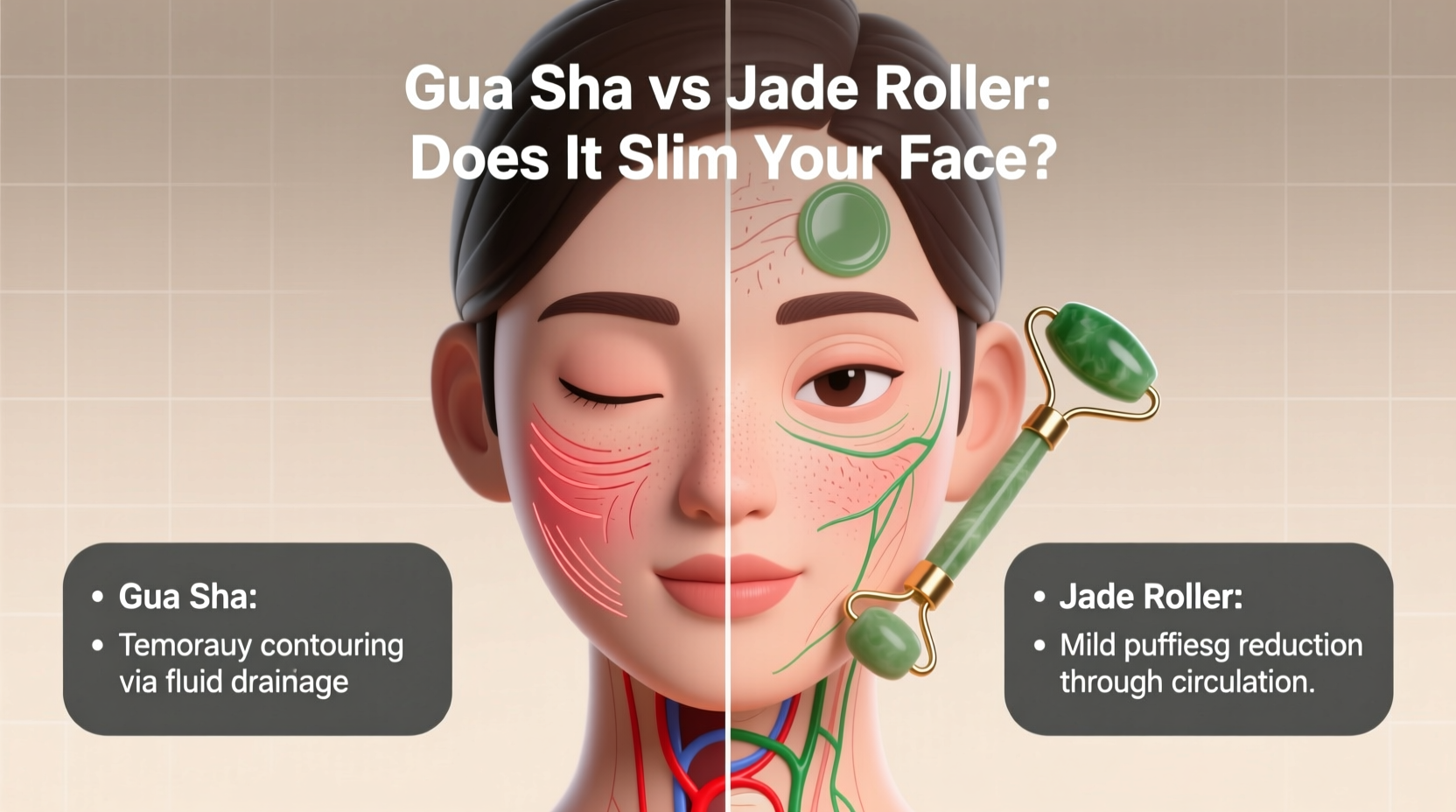
Before assessing whether gua sha or jade rollers can alter facial structure, it’s essential to understand what shapes the face. The primary contributors are:
- Bone structure: The size and shape of the skull, jawbone (mandible), and cheekbones (zygomatic arches) are genetically determined and fixed in adulthood.
- Fat distribution: Subcutaneous fat varies with age, hormones, genetics, and overall body composition. It can shift over time but isn’t easily manipulated locally through external pressure.
- Muscle tone: Facial muscles support expression and can be subtly influenced by repetitive movements or neuromodulators like Botox, but not significantly reshaped by massage alone.
- Fluid retention: Temporary swelling due to poor lymphatic drainage, high sodium intake, or hormonal fluctuations can cause puffiness—especially around the eyes and jawline.
Given this framework, any claim that a handheld tool can permanently “slim” the face must be scrutinized. True fat reduction requires caloric deficit and systemic metabolic changes. Bone remodeling is not possible without surgery. Therefore, when people report a slimmer appearance after using gua sha or jade rollers, the most plausible explanation lies in transient improvements in lymphatic drainage and reduced puffiness—not actual tissue loss.
Gua Sha: Tradition, Technique, and Tissue Response
Gua sha, rooted in traditional Chinese medicine, involves scraping the skin with a smooth-edged stone—typically made of jade, rose quartz, or bian stone—using oil or serum as a glide medium. The practice aims to promote blood flow, release muscle tension, and stimulate the body’s natural healing processes.
When applied to the face, proponents claim gua sha can:
- Define the jawline
- Lift drooping brows
- Reduce double chin appearance
- Improve skin radiance
A 2019 pilot study published in *Complementary Therapies in Clinical Practice* observed that facial gua sha led to immediate improvements in skin elasticity and microcirculation. However, the study noted no long-term structural changes after four weeks of bi-weekly sessions. Instead, benefits were linked to increased blood flow and reduced muscle tightness—effects that contribute to a temporarily firmer, more awake look.
“Gua sha doesn’t melt fat or reshape bone. What it does is encourage lymphatic flow and relax facial musculature, which can create the illusion of contouring.” — Dr. Ava Tan, Board-Certified Dermatologist
The technique matters. Proper gua sha follows meridian lines and uses upward, outward strokes designed to move fluid toward lymph nodes near the ears and collarbones. Overuse or aggressive pressure can lead to capillary damage or irritation, counteracting any aesthetic benefit.
Jade Roller: Cooling Comfort or Cosmetic Mirage?
The jade roller—a dual-headed tool with a larger end for cheeks and forehead, and a smaller one for under-eyes—is often praised for its cooling effect and simplicity. Typically stored in the fridge, the chilled stone helps constrict blood vessels and reduce inflammation.
While less intensive than gua sha, the jade roller excels at:
- Reducing morning puffiness
- Enhancing product absorption when used post-serum
- Providing a soothing sensory experience
However, research on its efficacy is limited. A 2020 review in *Clinical, Cosmetic and Investigational Dermatology* concluded that while facial massage devices may offer short-term decongestive effects, there is no evidence they induce fat loss or permanent facial reshaping. The perceived slimming is largely due to temporary fluid displacement.
That said, regular use may support skin health indirectly. By stimulating circulation, both tools can aid oxygen delivery to skin cells and accelerate the removal of metabolic waste via the lymphatic system—an undervalued yet critical aspect of healthy skin function.
Comparative Analysis: Gua Sha vs Jade Roller
| Feature | Gua Sha | Jade Roller |
|---|---|---|
| Primary Function | Lymphatic drainage, muscle relaxation, circulation boost | Puffiness reduction, cooling, light massage |
| Learning Curve | Moderate—requires knowledge of stroke direction and pressure | Low—simple rolling motion |
| Time per Session | 5–15 minutes | 2–5 minutes |
| Material Options | Jade, rose quartz, amethyst, bian stone | Mostly jade; some quartz variants |
| Evidence of Efficacy | Moderate short-term improvement in circulation and tone | Minimal; mostly anecdotal and sensory |
| Risk of Irritation | Higher if excessive pressure or incorrect technique | Very low when used gently |
| Best For | Defined routine, targeted lifting, tension relief | Quick refresh, sensitive skin, cooling relief |
Realistic Expectations: What You Can and Cannot Achieve
It’s important to clarify: neither gua sha nor jade rollers will permanently slim your face. They do not burn fat, dissolve adipose tissue, or alter bone structure. However, they can produce visible, albeit temporary, improvements in facial appearance through:
- Lymphatic drainage: Moving excess interstitial fluid away from tissues reduces puffiness, particularly along the jaw and under the eyes.
- Increased circulation: Enhanced blood flow brings oxygen and nutrients to the skin, promoting a healthier, brighter complexion.
- Muscle relaxation: Chronic tension in facial muscles (e.g., from clenching) can contribute to a rigid or tired look. Gentle massage may ease this.
The key word is temporary. Results typically last 12 to 48 hours, depending on lifestyle factors like sleep, hydration, and diet. Think of these tools as akin to a facial workout or a massage—they enhance tone and appearance in the moment but require consistency for sustained benefit.
Mini Case Study: Sarah’s Morning Routine Transformation
Sarah, a 34-year-old graphic designer, struggled with persistent facial puffiness, especially after late nights or high-sodium meals. She began using a rose quartz gua sha tool every morning for five minutes, following online tutorials focused on lymphatic drainage patterns. After two weeks, she noticed her jawline appeared more defined upon waking. Her coworkers commented that she looked “more awake.”
However, when she skipped her routine for three days during travel, the puffiness returned. A dermatologist confirmed that her results were consistent with improved fluid dynamics—not fat loss. Still, Sarah continued the practice because it enhanced her skincare absorption and provided a mindful start to her day.
Step-by-Step Guide to Effective Facial Tool Use
To maximize benefits and minimize risk, follow this evidence-based routine:
- Cleanse your face: Start with a clean canvas to prevent pushing dirt into pores.
- Apply a facial oil or serum: Use a slippery medium to avoid tugging. Hyaluronic acid serums or facial oils work well.
- Cool your tool (optional): Store in the fridge for added depuffing effect, especially with jade rollers.
- Begin with the neck: Stroke downward from the chin to the collarbone to open lymphatic pathways.
- Work upward on the face: Use gentle, upward-and-outward motions:
- From the center of the chin along the jawline to the ears
- From the nose, across the cheeks, toward the temples
- From the center of the forehead outward
- Use appropriate pressure: Enough to feel contact, but not enough to cause redness or discomfort.
- Finish with moisturizer: Lock in hydration and support skin barrier function.
- Frequency: Daily use is safe for most skin types. Limit gua sha to once or twice daily to avoid overstimulation.
Checklist: Optimizing Your Facial Tool Practice
- ✅ Choose a high-quality, smooth-edged tool (no rough edges)
- ✅ Use with a glide medium (oil, serum, gel)
- ✅ Follow lymphatic drainage pathways (center to periphery)
- ✅ Apply gentle, consistent pressure
- ✅ Clean your tool weekly with mild soap and water
- ✅ Pair with other healthy habits: hydration, low-sodium diet, quality sleep
- ❌ Avoid using on broken skin, active acne, or inflamed areas
- ❌ Don’t expect permanent slimming or fat loss
Frequently Asked Questions
Can gua sha really give me a V-shaped face?
No, gua sha cannot change your underlying bone structure or permanently reduce facial fat. However, consistent use may enhance lymphatic drainage and reduce puffiness, creating a more contoured appearance temporarily—especially if fluid retention was previously masking your natural bone structure.
Which is better: jade roller or gua sha?
It depends on your goals. The jade roller is ideal for quick depuffing and cooling, especially in the morning. Gua sha offers more targeted sculpting potential due to its ergonomic shape and ability to apply directional pressure. For deeper massage and lifting effects, gua sha is generally more effective—but requires proper technique.
How long before I see results?
Some users notice reduced puffiness immediately after one session. Visible toning effects typically emerge after 2–4 weeks of consistent daily use (5–10 minutes). However, results fade quickly if the routine is discontinued, confirming their transient nature.
Conclusion: Tools of Ritual, Not Transformation
Gua sha and jade rollers are not magic wands for facial slimming. They won’t replace weight loss, surgery, or injectables when it comes to altering facial volume or structure. But dismissing them entirely would overlook their genuine benefits: improved circulation, reduced puffiness, enhanced product penetration, and a calming self-care ritual.
The real value lies not in chasing viral beauty standards, but in integrating mindful practices that support skin health and well-being. When used correctly, these tools can become part of a holistic approach to looking—and feeling—your best. Whether you choose the precision of gua sha or the simplicity of a jade roller, consistency, technique, and realistic expectations are key.




 浙公网安备
33010002000092号
浙公网安备
33010002000092号 浙B2-20120091-4
Comments
No comments yet. Why don't you start the discussion?