
For those navigating the vibrant world of Mexican chilies, understanding heat levels is essential—not just for managing spice, but for unlocking authentic flavor. Among dried chilies, the guajillo (pronounced gwah-hee-yoh) stands out as a cornerstone in traditional salsas, moles, and marinades. While often praised for its bright, tangy fruitiness, many home cooks and even seasoned enthusiasts misjudge its heat, assuming all red dried chilies pack intense fire. The truth? Guajillo chilies deliver mild to moderate heat with remarkable complexity, making them ideal for layering flavor without overwhelming the palate. This detailed guide explores the guajillo’s Scoville rating, taste profile, culinary applications, and how it compares to other common chilies—equipping you with the knowledge to use it confidently and creatively.
Definition & Overview
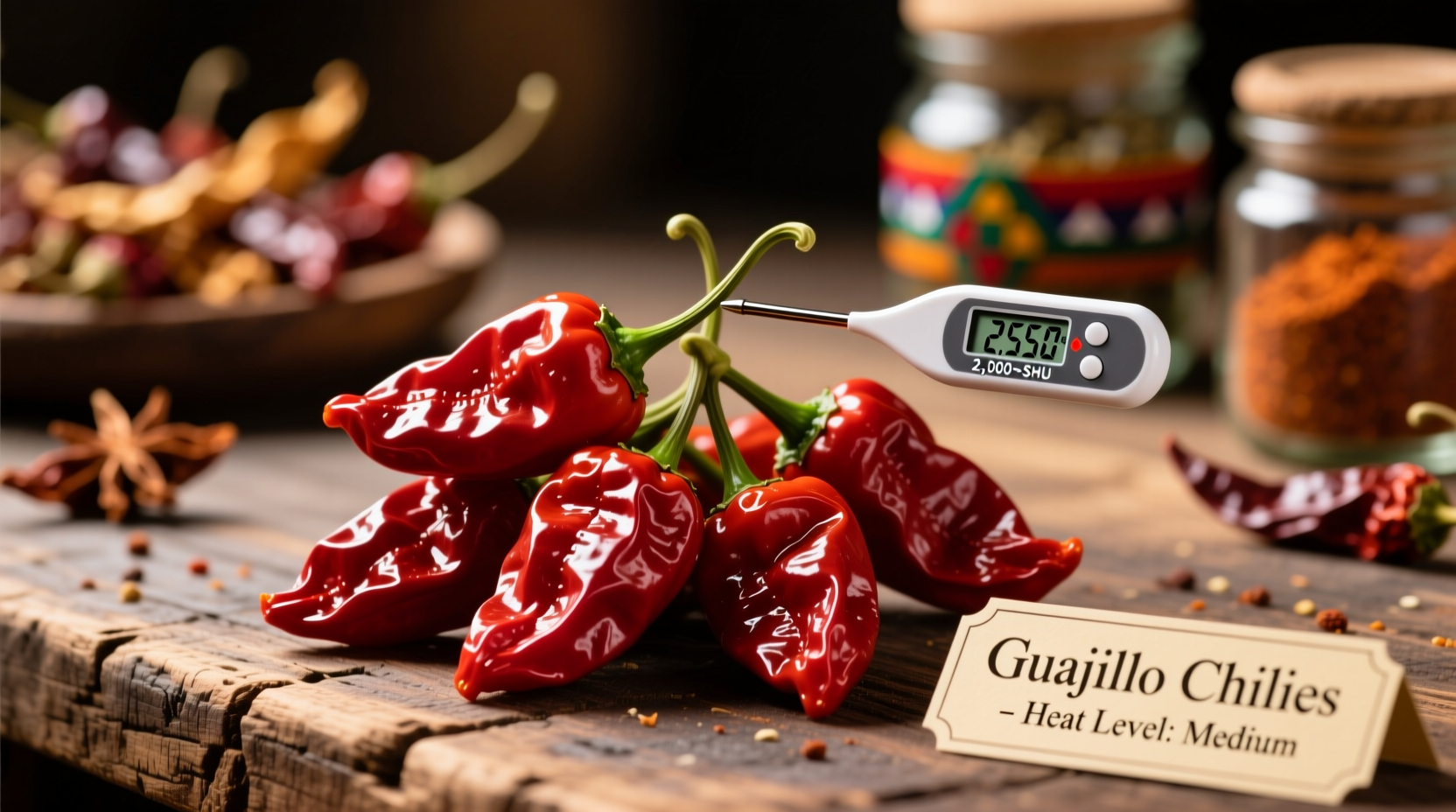
Guajillo chilies are dried mirasol peppers (Capsicum annuum), one of the most widely used dried chilies in Mexican cuisine. Harvested when fully ripe and sun-dried, they take on a deep reddish-brown hue and leathery texture. Their name comes from the Spanish word “guaja,” thought to derive from indigenous roots, possibly referencing their wrinkled appearance—“guajillo” roughly translating to “little gourd” or “wrinkled one.”
Native to Mexico, guajillos thrive in warm, arid climates and have been cultivated for centuries. They rank among the “Holy Trinity” of Mexican dried chilies, alongside ancho and pasilla, forming the backbone of regional sauces like salsa de chile guajillo, adobos, and pipián rojo. Unlike fiery chilies such as habaneros or serranos, guajillos are prized more for their nuanced flavor than raw heat, offering a balanced profile that enhances rather than dominates a dish.
Key Characteristics
| Attribute | Description |
|---|---|
| Heat Level (Scoville) | 2,500–5,000 SHU (mild to medium) |
| Flavor Profile | Tangy, berry-like, green tea notes, subtle smokiness |
| Aroma | Dried cranberry, sun-dried tomato, faint earthiness |
| Color & Appearance | Deep mahogany-red, smooth skin, elongated shape (3–6 inches), prominent ridges |
| Culinary Function | Base for salsas, stews, marinades; color and depth provider |
| Shelf Life | 12–18 months when stored properly in a cool, dark place |
| Common Forms | Whole dried, ground powder, paste |
Their moderate heat places guajillos well below jalapeños (which range 2,500–8,000 SHU) and far beneath chipotles in adobo (around 5,000–10,000 SHU). However, unlike milder anchos (1,000–2,000 SHU), guajillos bring a sharper, almost citrusy acidity that cuts through rich meats and fatty braises. This balance of brightness and gentle warmth makes them exceptionally versatile.
Practical Usage: How to Use Guajillo Chilies in Cooking
Guajillo chilies shine when rehydrated and blended into sauces. Their thin walls soften quickly, releasing both color and flavor without requiring long cooking times. To prepare whole guajillos:
- Remove stems and seeds using scissors or fingers (seeds add bitterness and some heat).
- Toast lightly in a dry skillet over medium heat for 20–30 seconds per side to enhance aroma.
- Soak in hot water (not boiling) for 15–20 minutes until pliable.
- Drain and blend with aromatics (garlic, onion, cumin, oregano) for a smooth base.
This puree becomes the foundation for countless dishes. A classic application is salsa roja cruda cocida, where rehydrated guajillos are simmered briefly after blending to deepen flavor. It pairs exceptionally well with grilled chicken, roasted vegetables, or as a dipping sauce for tacos dorados.
Pro Tip: Never boil guajillos during soaking—excessive heat can extract tannins, resulting in a bitter, astringent taste. Use water heated to about 180°F (82°C) and cover the bowl to trap steam for even rehydration.
In professional kitchens, guajillos are often combined with other chilies to build dimension. For example, a mole might blend guajillo (for fruitiness), ancho (for sweetness), and mulato (for chocolate notes). At home, a simple ratio of 2 parts guajillo to 1 part ancho creates a well-rounded red sauce suitable for enchiladas or tamales.
Ground guajillo powder is excellent for dry rubs. Mix with smoked paprika, garlic powder, and salt for a steak or pork shoulder seasoning. Because the powder lacks moisture, it adheres well and browns evenly during searing, contributing both color and subtle heat.
Variants & Types
While the whole dried form is most traditional, guajillo chilies appear in several formats, each suited to different culinary needs:
- Whole Dried Guajillos: Ideal for making sauces from scratch. Offers full control over texture and flavor intensity. Look for pliable, unbroken skins with a deep red color—avoid brittle or moldy specimens.
- Guajillo Powder: Convenient for rubs, soups, and spice blends. Check labels to ensure no fillers (like cornstarch) are added. Best stored in an airtight container away from light.
- Guajillo Paste: Pre-made puree, often found in Latin grocery stores or specialty markets. Saves time but may contain preservatives or vinegar. Taste before using to adjust seasoning.
- Smoked Guajillo (Rare): Not traditional, but some artisan producers offer smoked versions. These add a campfire note while retaining the original fruitiness—use sparingly to avoid overpowering.
When selecting whole guajillos, prioritize flexibility. A fresh, high-quality chili should bend slightly without cracking. Older ones become brittle and lose aromatic compounds, yielding flat-tasting sauces.
Comparison with Similar Ingredients
Guajillos are frequently confused with other red dried chilies, especially from a distance. Understanding the differences ensures accurate substitution and better results.
| Chili | Heat (SHU) | Flavor Profile | Best Used For |
|---|---|---|---|
| Guajillo | 2,500–5,000 | Tangy, berry, green tea, mild smokiness | Salsas, marinades, stews |
| Ancho | 1,000–2,000 | Sweet, raisin, fig, earthy | Moles, sweet-spicy sauces |
| Pasilla | 1,000–2,500 | Prune, licorice, smoky | Complex moles, braises |
| Chipotle (dried smoked jalapeño) | 5,000–10,000 | Smoky, tobacco, leather, sharp heat | Barbecue, adobo, beans |
| Chile de Árbol | 15,000–30,000 | Grassy, sharp, clean heat | Hot salsas, garnishes |
“Guajillo is the workhorse of Mexican red sauces. It’s not the hottest, nor the sweetest—but it brings structure, like acid in wine. You feel its absence more than its presence.” — Chef Elena Ruiz, Oaxaca Culinary Institute
One common mistake is substituting chile de árbol for guajillo due to similar size and color. However, this swaps mild complexity for intense heat, dramatically altering the dish. If guajillos are unavailable, a mix of ancho and a small amount of cayenne or paprika can approximate both color and heat—though the distinctive tang will be muted.
Practical Tips & FAQs
Are guajillo chilies spicy?
They are mildly to moderately spicy—noticeable but not overwhelming. Most people describe the heat as a slow-building warmth rather than an immediate burn. The experience is more about flavor enhancement than capsaicin punch.
Can I eat guajillo chilies raw?
No. Whole dried guajillos are too tough and fibrous for raw consumption. Always rehydrate or grind before use. Eating them unprocessed can cause digestive discomfort.
How do I store guajillo chilies?
Keep whole dried chilies in an airtight container in a cool, dark cupboard. Avoid humidity and direct sunlight, which degrade flavor and color. Properly stored, they last up to 18 months. Discard if they develop mold, off-odors, or excessive brittleness.
What dishes pair best with guajillo chilies?
They excel in:
- Carne Adobada: Pork or beef marinated in guajillo puree, vinegar, and spices, then grilled or roasted.
- Enchiladas Rojas: Tortillas dipped in guajillo sauce, filled with cheese or chicken, then baked.
- Tamales Coloraditos: Red tamales made with masa infused with guajillo paste.
- Consommé de Pollo: Chicken soup enriched with a spoonful of guajillo broth for depth.
Is guajillo chili powder the same as paprika?
No. While both are red chili powders, paprika (especially sweet Hungarian) is much milder and lacks the tart, fruity notes of guajillo. Smoked paprika comes closer in complexity but still misses the berry-like tang. Use paprika only as a last-resort substitute, adjusting with a splash of vinegar or lime juice to mimic acidity.
Can I grow my own guajillo peppers?
Yes, if your climate supports long, warm growing seasons. Start seeds indoors 8–10 weeks before the last frost. The mirasol variety requires 75–90 days to maturity. Harvest when fully red, then air-dry or use a dehydrator at 135°F (57°C) for 8–12 hours until crisp. Store whole pods for later use.
Storage Checklist:
✔️ Store in glass jar with tight lid
✔️ Keep away from stove or oven heat
✔️ Label with purchase date
✔️ Inspect every 3 months for quality
Summary & Key Takeaways
Guajillo chilies occupy a unique space in the chili hierarchy: not the mildest, not the hottest, but one of the most flavorful. With a Scoville rating of 2,500–5,000 units, they offer mild to moderate heat balanced by a bright, tangy profile reminiscent of sun-dried tomatoes and wild berries. Their versatility in salsas, marinades, and dry rubs makes them indispensable in both home and professional kitchens.
Unlike hotter chilies that dominate a dish, guajillos function as background orchestrators—adding color, depth, and a subtle warmth that enhances without masking. When preparing them, remember to remove seeds, toast lightly, and soak gently to preserve their delicate flavor. Avoid confusing them with chile de árbol or ancho, as substitutions can drastically alter the outcome.
Understanding guajillo chilies goes beyond heat measurement—it’s about appreciating their role in building complex, layered flavors. Whether you’re crafting an authentic adobo or experimenting with fusion rubs, mastering guajillo usage elevates your cooking from ordinary to exceptional.
Next time you reach for a dried chili, choose guajillo for its balance of brightness and warmth. Try making a simple roasted vegetable stew with a base of rehydrated guajillo puree—you’ll taste the difference a truly functional chili can make.




 浙公网安备
33010002000092号
浙公网安备
33010002000092号 浙B2-20120091-4
Comments
No comments yet. Why don't you start the discussion?