
Bringing a cat into your home is more than just adopting a pet—it’s welcoming a new member of the family. The right feline companion can bring joy, comfort, and companionship for years. But not every breed fits every household. From energy levels and grooming demands to sociability with children and other pets, selecting the ideal cat requires thoughtful consideration. Understanding breed-specific traits ensures a harmonious match between your lifestyle and your future cat.
Understand Your Family’s Lifestyle Needs
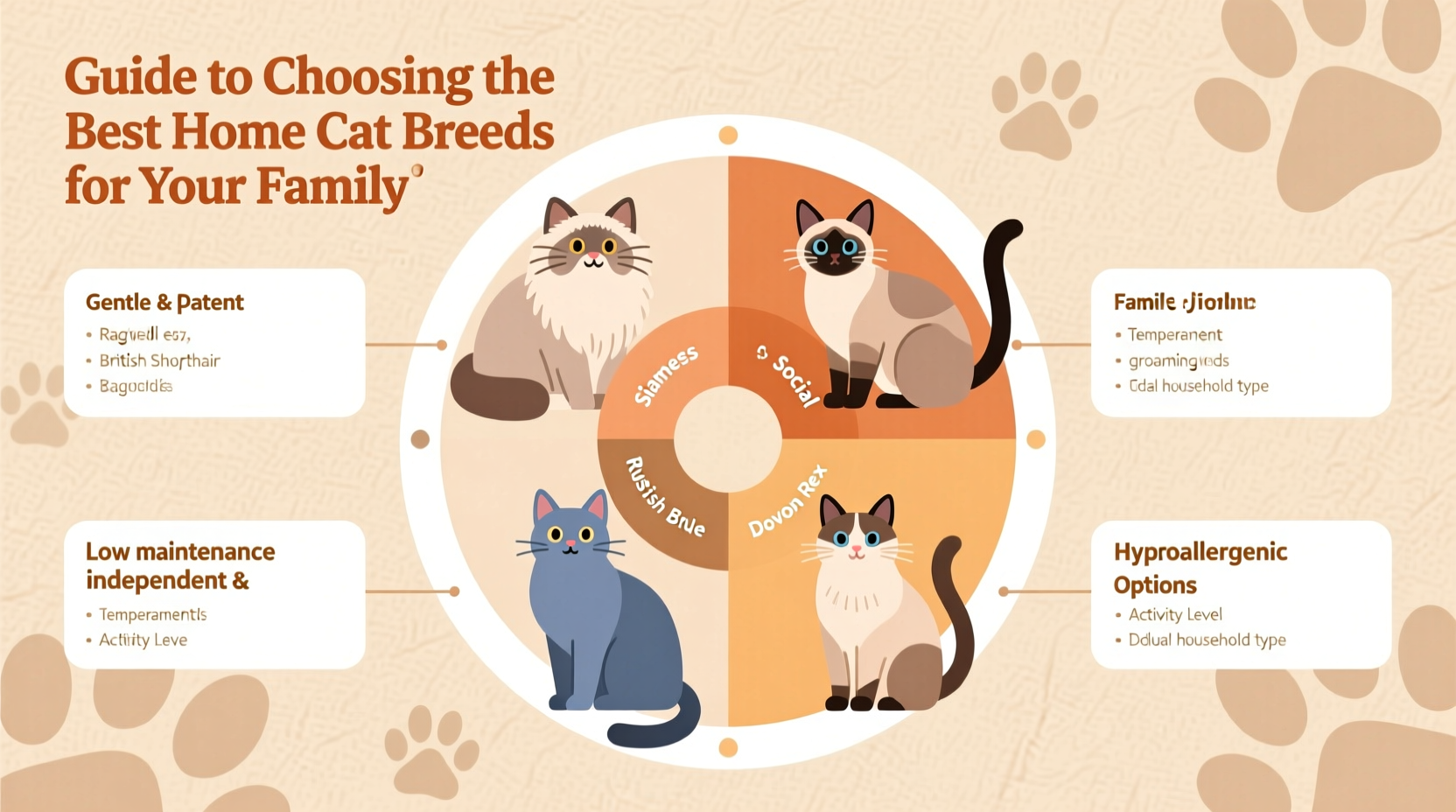
The first step in choosing the right cat is honest self-assessment. Consider the rhythm of your household: Are you often away during the day? Do you have young children or elderly family members? Is your home quiet or bustling with activity? These factors shape which breeds will thrive in your environment.
Cats vary widely in personality. Some are independent and low-maintenance, while others crave constant interaction. Breeds like the Ragdoll or Maine Coon tend to be affectionate and tolerant, making them excellent choices for homes with kids. In contrast, the Russian Blue may be shy around strangers and prefer quieter surroundings.
Top Cat Breeds for Families with Children
Families with children benefit from cats known for patience, gentleness, and resilience. While individual personalities matter, certain breeds consistently demonstrate traits that make them well-suited for active homes.
- Maine Coon: Often called “gentle giants,” they’re large, friendly, and highly adaptable. They enjoy playtime but are equally happy lounging with the family.
- Ragdoll: Known for going limp when held, these cats are exceptionally docile and affectionate. Their trusting nature makes them ideal for supervised interactions with younger kids.
- Devon Rex: With their mischievous expressions and boundless energy, they’re natural entertainers. They form strong bonds and love being involved in daily activities.
- British Shorthair: Calm and easygoing, this breed tolerates handling well and isn’t easily startled by sudden movements or noise.
- Bombay: Sleek and social, Bombays seek attention and enjoy following their humans from room to room, making them engaging companions for older children.
“Cats like the Ragdoll and Maine Coon have temperaments that naturally align with family life—they’re patient, expressive, and emotionally responsive.” — Dr. Lena Peterson, Feline Behavior Specialist
Key Factors to Evaluate When Choosing a Breed
Beyond friendliness, several practical considerations influence long-term compatibility. Use the following checklist to guide your decision-making process.
Checklist: Evaluating Cat Breed Suitability
- Assess your available time for grooming (long-haired breeds require daily brushing).
- Determine if anyone in the home has allergies (consider hypoallergenic breeds like the Siberian or Balinese).
- Evaluate noise tolerance (some breeds, like the Siamese, are very vocal).
- Consider space constraints (larger breeds need more room to move).
- Review veterinary costs and breed-specific health risks (e.g., Persians may require more frequent eye and respiratory care).
| Breed | Kid-Friendly? | Grooming Level | Vocal Tendency | Energy Level |
|---|---|---|---|---|
| Maine Coon | High | Medium-High | Medium | Medium |
| Ragdoll | Very High | Medium | Low-Medium | Low |
| Siamese | High | Low | Very High | High |
| Persian | Medium | Very High | Low | Low |
| Devon Rex | High | Low | Medium | High |
Real-Life Example: The Thompson Family’s Choice
The Thompsons, a family of five in Portland, wanted a cat that could handle their two energetic boys and frequent weekend guests. After researching breeds, they ruled out high-maintenance options like the Persian due to grooming demands and avoided overly vocal cats because of their open-concept home.
They met a rescue Maine Coon at a local shelter who had been surrendered after her previous owner moved. At four years old, she was already past the hyperactive kitten stage but still enjoyed interactive toys and gentle play. Within weeks, she became a calming presence in the home, curling up beside the youngest child during nap time and tolerating careful handling during school visits.
This experience highlights an important truth: while breed tendencies provide guidance, individual temperament and proper socialization are equally vital. Many mixed-breed cats also exhibit desirable traits found in purebreds—rescue shelters often evaluate cats’ behavior with children and other pets, offering valuable insights.
Step-by-Step Guide to Selecting Your Family Cat
Follow this timeline to ensure a smooth and informed adoption process.
- Week 1: Discuss as a family – Talk about expectations, responsibilities, and any concerns. Assign roles such as feeding, litter cleaning, and playtime supervision.
- Week 2: Research compatible breeds – Focus on temperament, care needs, and longevity. Use reputable sources like the Cat Fanciers' Association (CFA) or International Cat Association (TICA).
- Week 3: Visit shelters or breeders – Meet cats in person. Observe how they respond to touch, noise, and movement. Ask about medical history and behavioral assessments.
- Week 4: Prepare your home – Set up a quiet transition space with food, water, litter box, scratching post, and hiding spots. Introduce existing pets gradually.
- Week 5: Bring your cat home – Allow adjustment time. Limit initial interactions, especially with young children, to build trust slowly.
Frequently Asked Questions
Are there truly hypoallergenic cat breeds?
No cat is completely hypoallergenic, but some produce fewer allergens. The primary allergen, Fel d 1, is found in saliva and skin secretions. Breeds like the Balinese, Siberian, and Sphynx are reported to cause fewer allergic reactions in many people, though individual responses vary. Regular bathing and air filtration can also help reduce allergen exposure.
Should I adopt a kitten or an adult cat?
Kittens are adorable and adaptable but require significant training and supervision. Adult cats often come with established personalities and habits, making it easier to predict compatibility. For families with young children, a mature adolescent or adult cat (2–4 years old) may be more patient and less fragile than a young kitten.
How do I introduce a new cat to other pets?
Start with scent exchange—swap bedding or towels before visual contact. Use baby gates or closed doors to allow gradual observation. Keep initial face-to-face meetings brief and supervised. Reward calm behavior with treats. Full integration can take days to weeks, depending on the animals involved.
Final Thoughts: Building a Lifelong Bond
Choosing the best home cat breed isn’t about finding the most popular or visually striking option—it’s about alignment. A well-matched cat becomes a seamless part of your daily life, enhancing emotional well-being and teaching responsibility, especially to children.
Whether you fall for the plush elegance of a Ragdoll or the spirited charm of a Devon Rex, remember that commitment, patience, and understanding are the foundation of a lasting relationship. Take your time, involve your family, and prioritize temperament over trends.




 浙公网安备
33010002000092号
浙公网安备
33010002000092号 浙B2-20120091-4
Comments
No comments yet. Why don't you start the discussion?