
Finding the right light sport airplane (LSA) is more than a technical decision—it’s about aligning your flying goals, budget, and lifestyle with an aircraft that enhances your experience in the sky. With dozens of models on the market, from high-wing trainers to sleek composite cruisers, the process can feel overwhelming. The ideal LSA isn’t just one that flies well; it’s one that fits you—your skill level, mission profile, and long-term aviation aspirations.
Unlike traditional general aviation aircraft, LSAs operate under simplified regulations defined by the FAA’s Sport Pilot rules. These planes are limited to two seats, a maximum takeoff weight of 1,320 pounds, and a stall speed no higher than 45 knots. They offer lower operating costs, reduced medical requirements, and quicker access to flight, making them appealing to new pilots, retirees, and weekend aviators alike.
Understand Your Flying Mission First
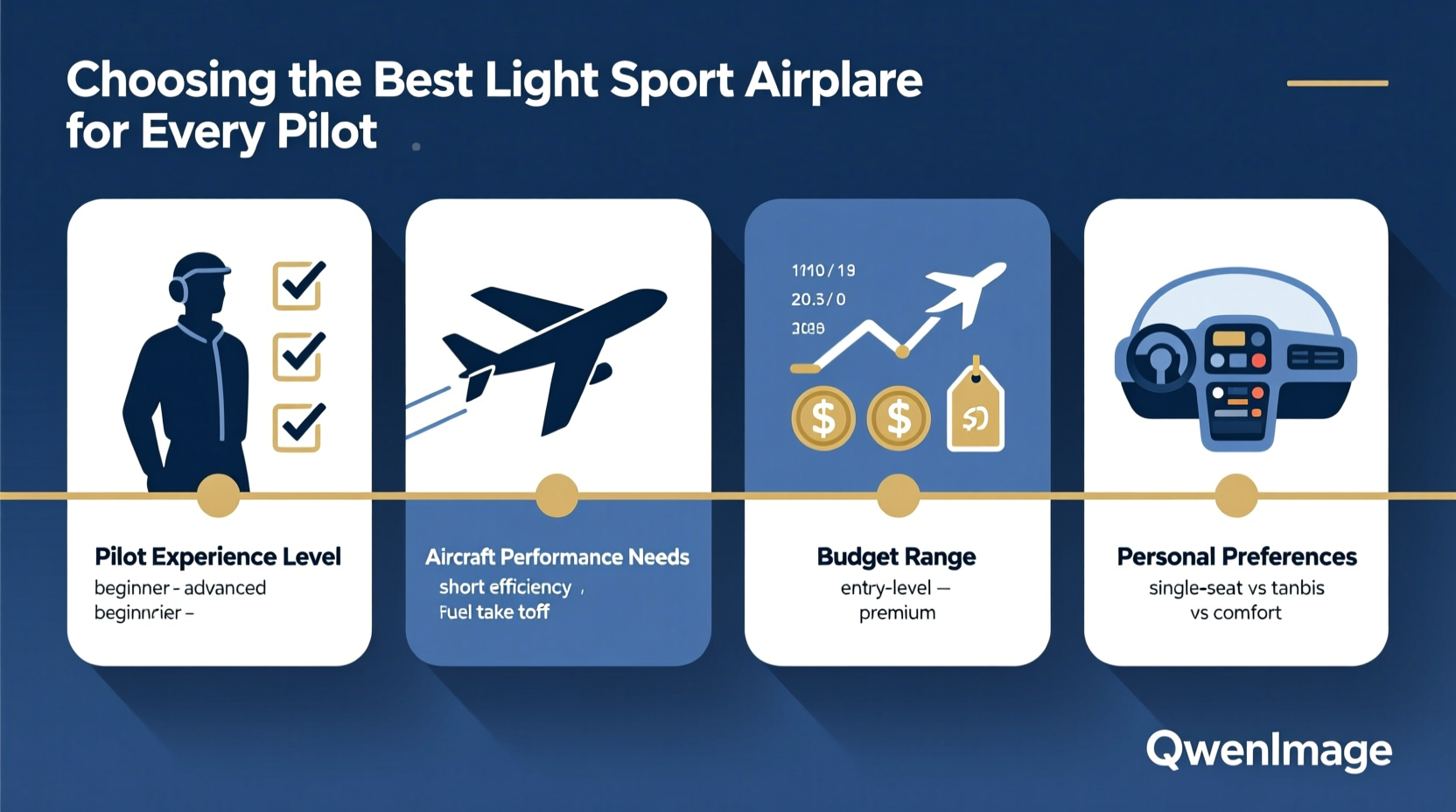
The first step in selecting the right LSA is defining how you plan to use it. Are you training for a sport pilot certificate? Looking for cross-country comfort? Want to fly off backcountry strips? Your mission shapes everything—from cockpit layout to landing gear type.
- Training: Prioritize stability, docile handling, and dual controls. High-wing models like the Flight Design CTLS or Tecnam P2008 offer excellent visibility and forgiving flight characteristics.
- Touring: Focus on range, fuel efficiency, and passenger comfort. Aircraft such as the Zenith CH 750 Cruzer or Pipistrel Virus SW 121 boast efficient engines and extended baggage capacity.
- Backcountry/Unimproved Strips: Look for rugged construction, large tires, and high ground clearance. The Just Aircraft SuperSTOL or Denney Kitfox Series 7 excel in rough terrain.
- Aesthetic Appeal: Some pilots value design and craftsmanship. Composite models like the Evektor SportStar combine sleek lines with modern avionics.
Compare Key Performance and Operational Factors
Performance metrics matter, but they must be interpreted in context. A plane with a top speed of 130 knots may seem superior to one at 100 knots, but only if speed is your priority. For local sightseeing or short hops, low-speed maneuverability and short-field performance often matter more.
| Aircraft Model | Max Speed (kts) | Stall Speed (kts) | Range (nm) | Fuel Burn (gph) | Landing Gear |
|---|---|---|---|---|---|
| Tecnam P2008 | 120 | 43 | 550 | 5.5 | Tricycle |
| Zenith CH 750 Cruzer | 115 | 40 | 600 | 5.0 | Tricycle or Tailwheel |
| Pipistrel Virus SW 121 | 130 | 44 | 650 | 4.8 | Tricycle |
| Just Aircraft SuperSTOL | 105 | 32 | 450 | 6.0 | Tailwheel |
| Evektor SportStar | 135 | 45 | 600 | 5.2 | Tricycle |
Note how the SuperSTOL sacrifices speed and range for an impressively low stall speed—ideal for tight clearings. Meanwhile, the Virus and SportStar prioritize efficiency and longer legs, perfect for coastal touring or interstate trips.
Step-by-Step: How to Evaluate and Choose Your LSA
Selecting an LSA should follow a structured approach. Rushing leads to buyer’s remorse. Follow this timeline to make a confident decision:
- Define your mission (Week 1): Write down your primary use case—training, recreation, travel—and rank features by importance.
- Research models (Weeks 2–3): Use resources like EAA.org, AOPA’s LSA directory, and manufacturer websites to narrow to 3–5 candidates.
- Visit fly-ins or dealers (Week 4): Attend events like Sun 'n Fun or Oshkosh to see aircraft in person and speak with owners.
- Schedule demo flights (Weeks 5–6): Fly with instructors in different models. Pay attention to visibility, noise, and control harmony.
- Analyze ownership costs (Week 7): Factor in insurance (~$600–$1,200/year), hangar fees, maintenance, and engine TBO (typically 1,500–2,000 hours).
- Consult a mechanic (Week 8): If buying used, have an LSA-qualified inspector evaluate airframe, engine, and avionics.
- Finalize financing or co-ownership plans (Week 9): Consider shared ownership through flying clubs to reduce costs.
Expert Insight: What Experienced Pilots Emphasize
“Pilots often overvalue speed and undervalue ease of recovery. A good LSA should forgive minor errors and encourage confidence.” — Captain Laura Bennett, CFI and LSA Flight School Operator
“The biggest mistake I see is buying based on price alone. A $90,000 LSA with outdated avionics may cost more in upgrades than a $110,000 model with glass cockpit and autopilot.” — Mark Tran, Aviation Consultant and Former FAA Inspector
These insights underscore the importance of total cost of ownership and flight safety. An aircraft that’s easy to maintain and intuitive to fly pays dividends over time, even if the upfront cost is higher.
Mini Case Study: Sarah Chooses Her First LSA
Sarah, a 45-year-old teacher from Oregon, earned her sport pilot certificate after retiring early. She wanted an LSA for weekend trips to mountain lakes and coastal towns. Initially drawn to the sleek Evektor SportStar, she found it cramped and noisy during a demo flight.
She then tried the Zenith CH 750 Cruzer. Though less polished in appearance, it offered wider doors, better headroom, and a robust reputation for field performance. It also had optional cargo pods for camping gear. After comparing insurance quotes and visiting a Zenith builder workshop, Sarah joined a kit-building course and completed her own Cruzer in 14 months.
Today, she flies regularly with her husband, praising the aircraft’s versatility and the community support around homebuilding. “I didn’t just buy a plane,” she says. “I became part of a movement.”
Checklist: Must-Ask Questions Before Buying
- Is this model approved under ASTM standards for Light Sport Aircraft?
- What is the engine’s time since overhaul (TSO) or total time for new engines?
- Are replacement parts readily available in North America?
- Does the avionics suite include ADS-B Out and backup attitude display?
- What kind of owner support does the manufacturer provide?
- Is there an active user group or forum for troubleshooting?
- Can the aircraft be flown safely in my typical weather conditions (e.g., gusty winds, high density altitude)?
Frequently Asked Questions
Can I fly an LSA with a driver’s license instead of a medical certificate?
Yes, if you hold a valid U.S. driver’s license and meet the FAA’s medical eligibility requirements for sport pilots. You must comply with any restrictions on your driver’s license and self-certify your health before each flight.
Are LSAs safe compared to traditional aircraft?
Modern LSAs built to ASTM standards undergo rigorous testing and often feature advanced safety systems like ballistic parachutes and crash-resistant fuel tanks. Accident rates are comparable to other light aircraft when flown within their limits and maintained properly.
Can I upgrade from a sport pilot to private pilot later?
Absolutely. All flight time in an LSA counts toward a private pilot certificate. However, to act as PIC in aircraft exceeding LSA limits (e.g., retractable gear, higher speeds), you’ll need a private pilot license and third-class medical (or BasicMed).
Conclusion: Find the Plane That Fits Your Sky
Choosing the best light sport airplane isn’t about finding the fastest or most advanced model—it’s about finding the one that aligns with who you are as a pilot and what you want from flying. Whether you’re launching into aviation for the first time or downsizing from a complex single-engine plane, the LSA world offers freedom, affordability, and joy.
Take your time. Talk to owners. Sit in cockpits. Feel the controls. Let practicality guide passion, and you’ll find an aircraft that doesn’t just meet specs—it inspires every takeoff.




 浙公网安备
33010002000092号
浙公网安备
33010002000092号 浙B2-20120091-4
Comments
No comments yet. Why don't you start the discussion?