
Shaving your legs shouldn’t be a chore filled with nicks, irritation, or missed patches. A smooth, close shave is achievable—but only if you're using the right razor for your skin type, hair texture, and shaving habits. With countless options on the market, from disposable razors to advanced electric models, selecting the ideal one can feel overwhelming. This guide breaks down the key factors that matter most, compares top-performing types, and helps you make an informed decision based on real-world performance.
Understanding Your Shaving Needs
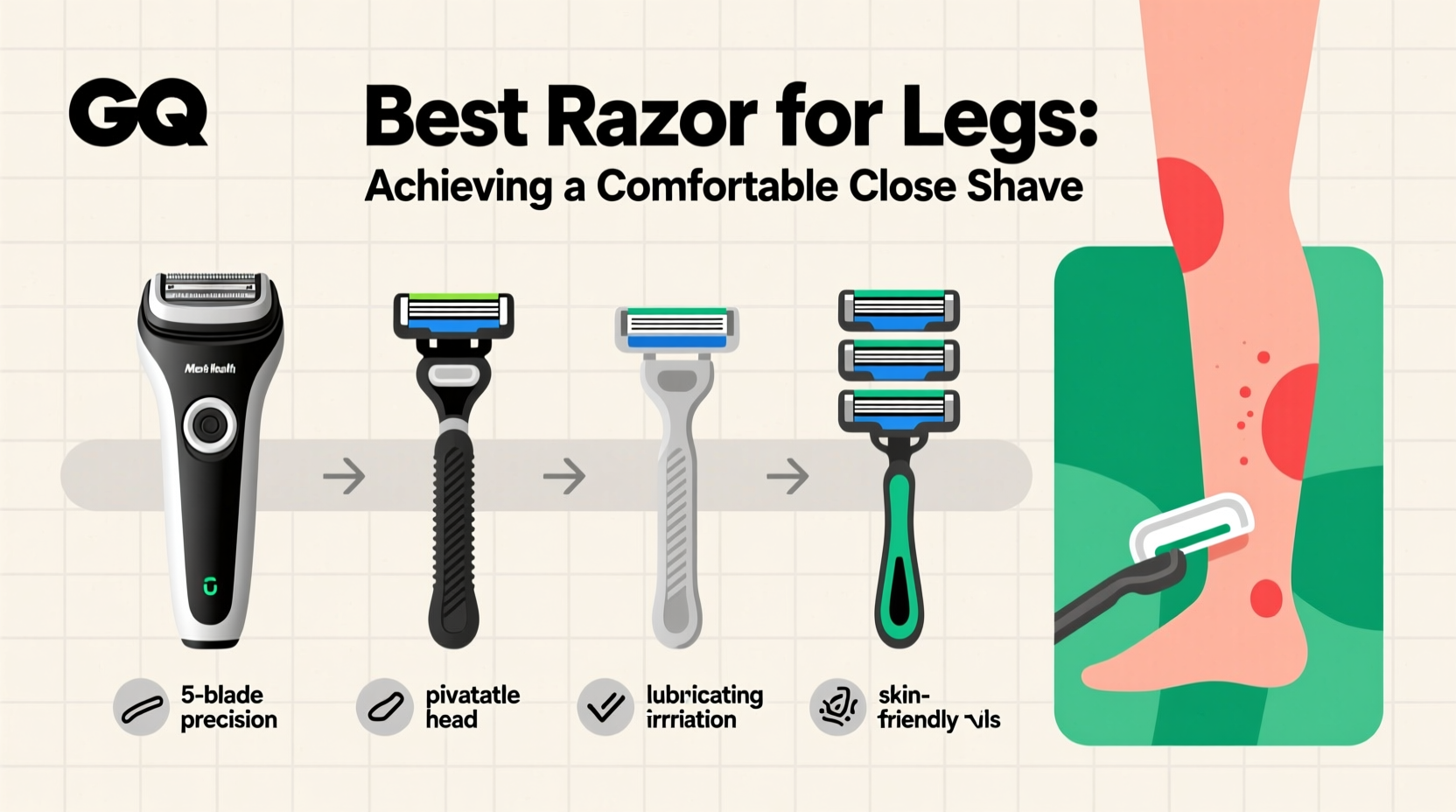
Before browsing shelves or online listings, take a moment to assess your personal needs. Not all razors are created equal, and what works for one person may cause discomfort for another. Consider these elements:
- Skin sensitivity: Do you frequently experience redness, bumps, or razor burn? If so, prioritize razors designed for sensitive skin with fewer blades and protective strips.
- Hair thickness: Coarse or curly leg hair requires a sharper, more durable blade system to cut cleanly without tugging.
- Shaving frequency: Daily shavers benefit from multi-blade cartridge systems, while occasional users might prefer disposables or safety razors.
- Budget and sustainability: Frequent replacement cartridges add up. If cost or environmental impact is a concern, consider long-term investments like safety or electric razors.
Types of Razors Compared
The market offers several razor categories, each with distinct advantages and trade-offs. Below is a comparison of the most common types used for leg shaving.
| Razor Type | Best For | Pros | Cons |
|---|---|---|---|
| Multi-Blade Cartridge | Smooth, fast shaves; normal to thick hair | Close shave, pivoting head, moisturizing strips | Expensive refills, prone to clogging, less eco-friendly |
| Disposable Razor | Occasional use, travel, sensitive skin | Affordable, hygienic, no maintenance | Less precise, dulls quickly, wasteful |
| Safety Razor | Eco-conscious users, coarse hair | Durable, low cost per shave, minimal waste | Steeper learning curve, higher risk of nicks initially |
| Electric Razor (Wet/Dry) | Quick touch-ups, sensitive skin | No lather needed, reduces cuts, reusable | Less close than manual, may require multiple passes |
“Choosing the right razor isn’t just about closeness—it’s about minimizing trauma to the skin. A sharp, well-aligned blade with proper spacing prevents ingrown hairs.” — Dr. Lena Patel, Dermatologist & Skincare Researcher
Key Features That Matter in a Leg Razor
Not all features are marketing fluff. Some genuinely enhance comfort and effectiveness. Here’s what to look for:
Blade Quality and Number
While more blades don’t always mean a better shave, high-quality stainless steel or platinum-coated blades resist corrosion and maintain sharpness longer. For legs, 3–5 blades are typically sufficient. Too many blades can increase friction and irritation, especially on sensitive skin.
Pivoting Head and Handle Grip
A flexible, pivoting head adapts to the curves of your calves and ankles, ensuring consistent contact. Look for ergonomic handles with non-slip grips—especially important when wet. Rubberized or contoured designs offer better control during tricky angles.
Lubrication Strips
Many cartridge razors include built-in strips infused with aloe, vitamin E, or shea butter. These help reduce drag and soothe skin during the shave. However, they wear out over time and may not be effective after 5–7 uses. Replace the cartridge before the strip fades completely.
Rinseability and Maintenance
A razor that resists clogging saves time and improves performance. Models with open blade designs or self-cleaning technology allow water to flush through easily, preventing hair buildup. Regular rinsing under running water during use maintains cutting efficiency.
Step-by-Step Guide to Choosing and Using Your Ideal Razor
- Assess your skin and hair type – Determine if you need a gentle option for sensitivity or a powerful system for thick hair.
- Test different types – Try a sample pack of disposables or rent a safety razor starter kit before committing.
- Read user reviews – Focus on feedback from people with similar leg-shaving routines.
- Invest in prep products – Use a hydrating shaving gel or cream instead of soap for smoother gliding.
- Replace blades regularly – Dull blades tug at hair and increase irritation. Replace cartridges every 5–7 shaves.
- Moisturize post-shave – Apply fragrance-free lotion or aloe vera to calm the skin and lock in hydration.
Real-World Example: From Frustration to Flawless Legs
Sophia, a 32-year-old nurse from Portland, struggled with persistent razor burn and patchy results despite daily shaving. She used a basic two-blade disposable but found it ineffective on her coarse lower-leg hair. After switching to a five-blade cartridge razor with a pivoting head and pre-lathered strips, she noticed immediate improvement. By pairing it with a glycerin-based shaving gel and exfoliating twice weekly, she achieved a consistently smooth result without irritation—even during 12-hour shifts in compression socks.
“It wasn’t until I treated shaving like skincare that things changed,” she said. “Now I prep, use a sharp razor, and moisturize. My legs have never felt better.”
Checklist: Picking the Right Razor for You
- ✅ Identify your skin sensitivity level
- ✅ Evaluate your hair thickness and growth pattern
- ✅ Decide between disposable convenience and long-term investment
- ✅ Prioritize features like pivoting heads and lubrication strips
- ✅ Check refill availability and cost-effectiveness
- ✅ Read verified customer reviews focusing on leg use
- ✅ Test one model for at least 2–3 weeks before judging results
Frequently Asked Questions
How often should I replace my razor blade?
For optimal performance and hygiene, replace cartridge blades every 5–7 shaves. Disposable razors should be discarded after 3–5 uses. Signs it’s time to replace include tugging, dullness, visible rust, or a worn lubrication strip.
Are electric razors good for leg shaving?
Yes, especially for those with sensitive skin or who prefer quick maintenance shaves. Modern wet/dry electric razors can provide a close result, though they may not match the precision of a sharp manual blade. They’re also excellent for reducing nicks and irritation.
Can I use a face razor for my legs?
Technically yes, but not ideally. Facial razors are designed for smaller areas and finer hair. Using them on large leg surfaces is inefficient and may lead to uneven results. Leg-specific razors have larger heads and stronger blades suited for broader coverage.
Final Thoughts and Next Steps
Choosing the best razor for your legs isn’t about following trends or brand hype—it’s about matching the tool to your unique body and routine. Whether you value sustainability, comfort, speed, or closeness, there’s a razor engineered to meet your needs. The right choice combines quality design, proper usage habits, and consistent aftercare.
Start by evaluating your current method. Are you dealing with irritation? Missing spots? Spending too much on replacements? Use this guide to identify gaps and test alternatives confidently. Small changes—like switching to a better lubricant or upgrading to a pivoting-head cartridge—can transform your entire experience.




 浙公网安备
33010002000092号
浙公网安备
33010002000092号 浙B2-20120091-4
Comments
No comments yet. Why don't you start the discussion?