
Crisp apples are more than just a snack—they’re a sensory experience. The satisfying crunch, the burst of juice, the balance of sweetness and acidity—each bite can be a revelation. But not all apples deliver the same experience. With over 7,500 varieties grown worldwide, selecting the right crisp apple for your palate or recipe can feel overwhelming. Understanding what makes an apple truly crisp, how flavor varies by cultivar, and which types suit different uses can transform your fruit bowl from generic to exceptional.
What Makes an Apple Crisp?
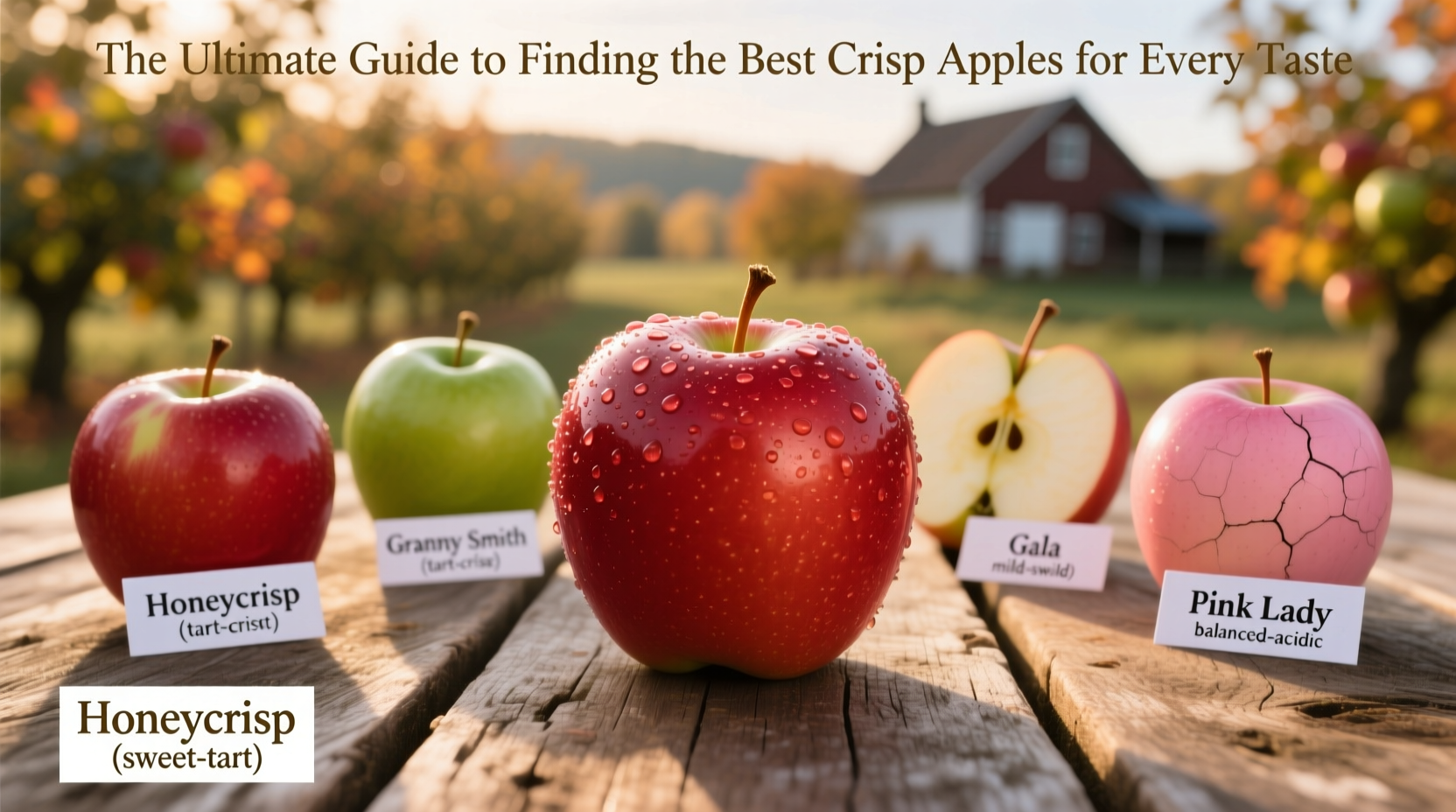
Crispness in apples is determined by cell structure, moisture content, and firmness. Apples with tightly packed cells and high water retention tend to snap cleanly when bitten, producing that desirable crunch. Texture is just as important as flavor—no amount of sweetness can compensate for a mealy or soft interior.
The ideal crisp apple should offer resistance when you bite into it, followed by a juicy release. Over time, even naturally crisp varieties can lose their firmness if stored improperly. Temperature, humidity, and ripeness at harvest all play critical roles in maintaining texture.
Top Crisp Apple Varieties and Their Flavor Profiles
Different apple varieties cater to distinct taste preferences. Some are sweet and floral, others tart and zesty. Here’s a breakdown of the most widely available crisp apples and what sets them apart:
| Variety | Texture | Sweetness Level | Best Use |
|---|---|---|---|
| Honeycrisp | Extremely crisp, juicy | High (balanced with mild acidity) | Snacking, salads |
| Fuji | Firm and dense | Very high | Snacking, desserts |
| Gala | Moderately crisp | Medium-high | Snacking, lunchboxes |
| Pink Lady® (Cripps Pink) | Exceptionally firm | Medium (tart-sweet balance) | Baking, cheese pairings |
| Jazz™ | Snappy, fine-grained | Medium-high (complex flavor) | Snacking, gourmet platters |
| Envy™ | Dense and crunchy | High (low acidity) | Snacking, slow-browning slices |
Among these, Honeycrisp remains a benchmark for crispness. Developed at the University of Minnesota, its cellular structure resists breakdown longer than most, making it a favorite for fresh eating. Jazz and Envy, newer commercial hybrids, offer similar textures with enhanced shelf life and unique flavor depth.
“Honeycrisp set a new standard for consumer expectations. Now, people don’t just want sweet—they want that audible crunch.” — Dr. Chris Watkins, Postharvest Physiologist, Cornell University
Matching Crisp Apples to Your Taste Preference
Your ideal apple depends on whether you favor sweetness, tartness, or complexity. Consider these profiles when shopping:
- Sweet-tooth lovers: Fuji and Envy deliver intense sugar content with minimal tartness. Their smooth, honeyed notes make them excellent for children or those avoiding sour flavors.
- Balanced palates: Pink Lady and Jazz offer a dynamic interplay of sweet and tangy, often with hints of berry or citrus. These are favorites among foodies and wine-pairing enthusiasts.
- Tart seekers: While fewer crisp apples are purely tart, early-season varieties like Zestar! provide a sharp, refreshing bite with strong aromatic qualities. Best enjoyed chilled.
Seasonality also influences flavor. Apples harvested at peak maturity in late summer through fall tend to have better sugar development and storage potential. Winter-stored apples may lose some vibrancy but can still retain crispness if kept in controlled atmospheres.
Real Example: Choosing Apples for a Gourmet Cheese Board
At a small artisanal café in Portland, the owner noticed guests often left apple slices uneaten. After consulting a local orchardist, she switched from Gala to Pink Lady and Jazz apples. The firmer texture held up against strong cheeses like aged cheddar and blue, while the balanced acidity cut through fat. Customer feedback improved immediately—many commented on the “perfect crunch” and flavor harmony. This simple swap elevated the entire presentation without increasing cost.
How to Select and Store Crisp Apples
Even the best variety will disappoint if poorly handled. Follow this step-by-step guide to ensure quality from market to mouth:
- Inspect visually: Look for smooth, unblemished skin. Avoid apples with wrinkles, dark spots, or bruises.
- Check firmness: Press near the stem and bottom. Soft spots indicate internal breakdown.
- Smell the base: A ripe, fresh apple emits a subtle fruity aroma. No scent may mean underripeness; fermented smells suggest spoilage.
- Buy seasonal: Most crisp apples are harvested September–November. Off-season apples may have been in long-term storage.
- Store correctly: Keep apples in the crisper drawer of your refrigerator at 30–35°F (−1 to 2°C) with high humidity. Use a perforated plastic bag to maintain moisture without trapping ethylene gas.
Using Crisp Apples in Recipes
While many crisp apples shine raw, they can also enhance cooked dishes—if chosen wisely. Not all firm apples hold their shape during baking. Here’s a quick checklist for culinary use:
✅ Do:
- Use Pink Lady or Jazz in pies—they soften slightly but retain structure and add bright acidity.
- Slice Envy or Honeycrisp for salads—they resist browning longer than most varieties.
- Grate Fuji into slaws for natural sweetness and crunch.
❌ Don’t:
- Bake with overripe or refrigerated-too-long apples—they turn mushy.
- Use overly sweet apples (like Red Delicious) in savory dishes—they lack complexity.
- Pre-cut apples hours before serving unless treated with lemon juice or citric acid.
Frequently Asked Questions
Are organic crisp apples worth the extra cost?
It depends on your priorities. Apples consistently rank high on the Environmental Working Group’s “Dirty Dozen” list due to pesticide residue. If you eat the skin (where most nutrients and fiber reside), organic may reduce exposure. However, washing with cold water and a soft brush removes up to 90% of surface residues. For maximum safety and crispness, choose organic when possible, especially for thinner-skinned varieties like Gala.
Why do some crisp apples turn mushy after a few weeks?
This is often due to improper storage. Apples emit ethylene gas, which accelerates ripening and softening. When stored at room temperature or near other produce, they degrade faster. Refrigeration slows this process significantly. Varieties like Fuji and Envy have longer storage potential (up to 6 months in cold storage), while Honeycrisp, despite its firm start, can deteriorate faster if exposed to oxygen fluctuations.
Can I freeze crisp apples for later use?
Yes, but texture changes. Freezing breaks down cell walls, so thawed apples become soft—ideal for sauces or baking, not snacking. To freeze, peel, core, and slice apples, then toss with lemon juice to prevent browning. Spread on a tray, freeze individually, then transfer to airtight bags. Use within 10–12 months.
Conclusion: Find Your Perfect Crunch
Finding the best crisp apple isn’t about chasing trends—it’s about aligning variety with preference, use, and season. Whether you crave the sugary richness of a Fuji, the sophisticated tang of a Pink Lady, or the explosive juiciness of a Honeycrisp, there’s a perfect match waiting. By understanding texture, flavor, and proper handling, you can make every bite a moment of delight.




 浙公网安备
33010002000092号
浙公网安备
33010002000092号 浙B2-20120091-4
Comments
No comments yet. Why don't you start the discussion?