
Ironing remains a crucial step in maintaining polished clothing, whether for professional appearances, special occasions, or daily comfort. Yet not all irons perform the same. With a wide range of models offering different features—from steam output to soleplate materials—choosing the right one can dramatically affect efficiency, fabric safety, and long-term satisfaction. The ideal iron aligns with your wardrobe composition, ironing frequency, and personal preferences. Understanding what sets models apart ensures you invest in performance, not just power.
Understand Your Ironing Needs
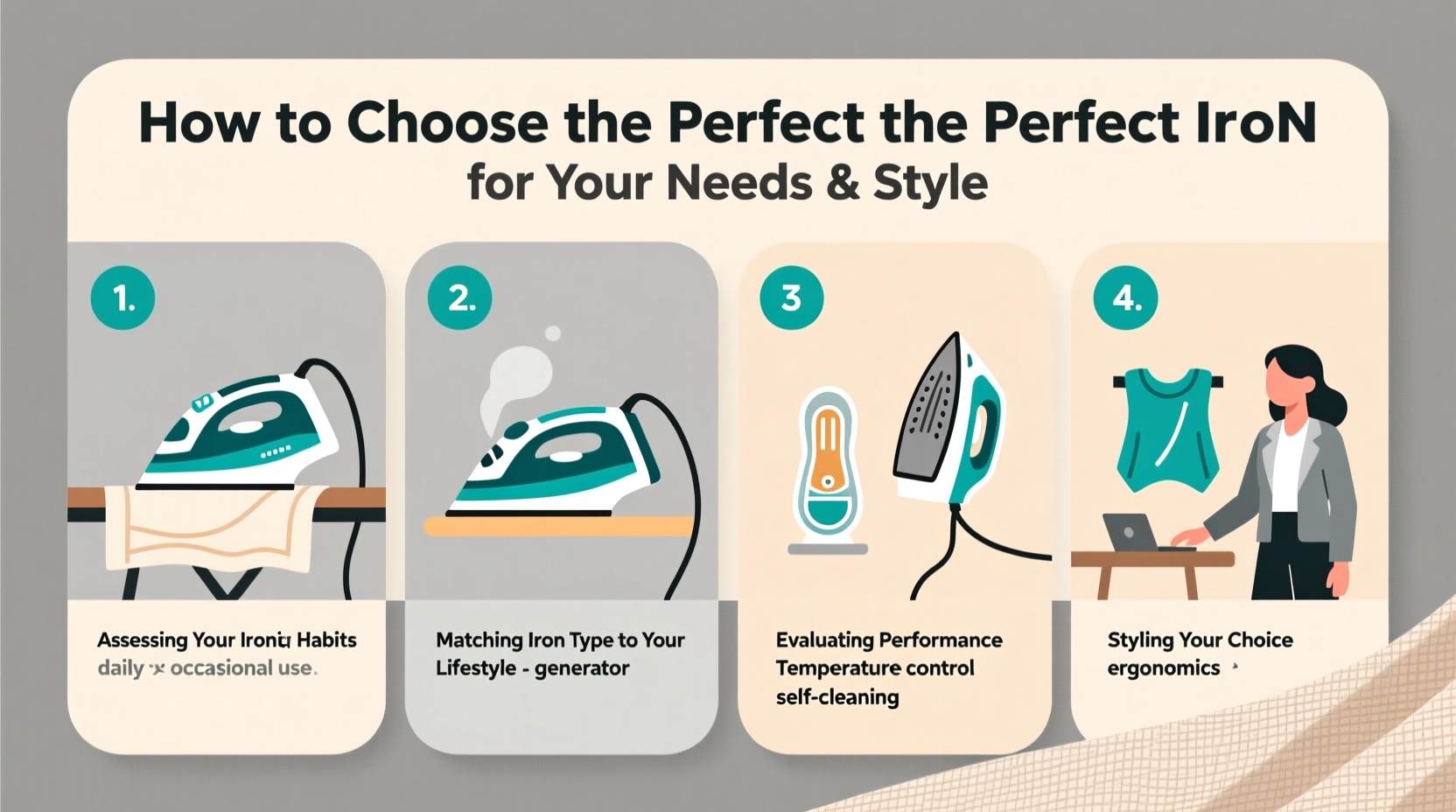
Before evaluating technical specs, assess how and why you iron. A person who presses dress shirts weekly has different demands than someone who occasionally smooths curtains or travel-wrinkled garments. Frequency, fabric variety, and available storage space shape your ideal iron profile.
Consider these factors:
- Usage frequency: Daily users benefit from durable builds and large water tanks.
- Fabric types: Delicate silks require precise temperature control; heavy cottons need strong steam penetration.
- Mobility: Compact, lightweight models suit travelers or those with limited counter space.
- Allergy concerns: Some users prefer dry heat over steam to minimize moisture-related allergens.
Key Features That Matter
Modern irons blend functionality with user-centric design. Knowing which features deliver real value helps avoid overspending on gimmicks.
Soleplate Material
The soleplate glides over fabric and transfers heat. Common materials include stainless steel, ceramic, and non-stick coated aluminum.
| Material | Pros | Cons |
|---|---|---|
| Stainless Steel | Durable, scratch-resistant, excellent glide | Heavier, may snag on loose weaves |
| Ceramic | Even heat, gentle on delicates, resists sticking | More fragile, higher cost |
| Non-Stick Coated | Lightweight, affordable, smooth glide | Coating wears over time, vulnerable to scratches |
Steam Output and Control
Steam loosens wrinkles by penetrating fabric fibers. Look for adjustable steam settings and a burst function (typically 100–200 g/min) for stubborn creases. Vertical steam is useful for hanging garments or drapes.
Some high-end models offer variable steam distribution across the soleplate, reducing pooling and scorching risks. Continuous steam rates between 30–50 g/min are sufficient for most home use.
Temperature Settings and Auto-Shutoff
Multiple heat settings allow safe use across fabrics. Wool, silk, synthetics, cotton, and linen each require specific temperatures. Digital thermostats offer greater precision than analog dials.
Auto-shutoff—a safety feature that powers down the iron after 5–10 minutes of inactivity—is essential for households with children or frequent multitaskers.
“An iron that adapts to fabric type prevents damage and extends garment life. Precision matters as much as power.” — Lena Ruiz, Textile Care Specialist
Types of Irons Compared
Not all irons serve the same purpose. Choosing the right category streamlines your search.
Steam Irons
The most common household type. Heated soleplate combined with steam generation via a water reservoir. Ideal for cottons, linens, and everyday pressing. Affordable and widely available.
Steam Generator Irons
These separate the boiler unit from the iron, delivering higher steam pressure (up to 6 bar) and continuous flow. Preferred by professionals and frequent users. More expensive and bulky, but significantly faster on thick fabrics like denim or tablecloths.
Dry Irons
No steam function. Rely solely on conductive heat. Suitable for delicate fabrics sensitive to moisture or users in humid climates where steam may cause spotting. Less versatile but simple to maintain.
Travel Irons
Compact, lightweight, often dual-voltage for international use. Limited water capacity and steam output. Best for occasional touch-ups, not deep wrinkle removal.
Step-by-Step Guide to Choosing Your Iron
Follow this sequence to identify the best model for your lifestyle:
- Inventory your wardrobe: List the fabrics you iron most—cotton shirts? Polyester blouses? Linen pants?
- Determine usage frequency: Daily, weekly, or occasional? High use justifies investing in durability.
- Assess your ironing setup: Do you have a full ironing board, or do you press on a countertop? Space constraints favor compact designs.
- Set a budget: Quality steam irons start around $50; premium steam generators exceed $200.
- Research models within your category: Focus on user reviews mentioning reliability, ease of filling, and anti-drip performance.
- Test ergonomics if possible: Weight, grip comfort, and cord length impact usability during longer sessions.
- Prioritize maintenance features: Self-cleaning, anti-scale filters, and easy-fill tanks extend lifespan.
Real-World Example: Choosing for a Busy Household
Sarah, a working mother of two, needed an iron that could handle school uniforms, work blouses, and weekend outfits efficiently. Her previous compact iron struggled with thick cotton shirts and required constant refilling.
After assessing her needs, she chose a mid-range steam generator. Though pricier and larger, it reduced ironing time by nearly half. The powerful steam smoothed multiple layers quickly, and the auto-shutoff gave peace of mind when interrupted by family needs. After six months, she reported less fatigue and better results—proving that matching tool to task pays off.
Essential Buying Checklist
Use this checklist before purchasing:
- ✅ Adjustable temperature settings for multiple fabric types
- ✅ At least 30 g/min continuous steam output
- ✅ Anti-drip system to prevent water spots
- ✅ Comfortable weight and balanced handle
- ✅ Large, easy-to-fill water tank with clear markings
- ✅ Swivel cord for tangle-free movement
- ✅ Self-cleaning function to remove mineral buildup
- ✅ Auto-shutoff for safety
- ✅ Warranty of at least 1 year
Frequently Asked Questions
Can I use tap water in my steam iron?
It depends. Hard water causes limescale buildup, reducing efficiency and potentially damaging internal components. Most manufacturers recommend distilled or demineralized water, especially in areas with high mineral content. Some irons include built-in filters to mitigate this, but regular descaling is still necessary.
How often should I clean my iron?
Perform a quick wipe-down after each use. Conduct a full descaling every 1–2 months if using tap water, or every 3–4 months with distilled water. Follow the manufacturer’s instructions for self-cleaning cycles.
Are expensive irons worth the investment?
For frequent users, yes. Higher-priced models typically offer better build quality, consistent steam, advanced safety features, and longer warranties. For occasional use, a reliable mid-tier model often suffices.
Final Recommendations
Selecting the best iron isn’t about chasing the highest wattage or most features—it’s about alignment with your routine. A tailor pressing suits daily benefits from a steam generator’s power. Someone refreshing blouses twice a month may find a lightweight steam iron with ceramic plate ideal. Travelers gain more from portability than raw performance.
Pay attention to details like soleplate glide, ease of maintenance, and safety mechanisms. These elements define long-term satisfaction far more than initial price or brand prestige.




 浙公网安备
33010002000092号
浙公网安备
33010002000092号 浙B2-20120091-4
Comments
No comments yet. Why don't you start the discussion?