
Foot health begins with proper alignment, and for millions of people, that starts with understanding pronation. When your foot rolls inward too much or too little during movement, it can lead to discomfort, fatigue, and even long-term injuries. The right footwear can correct imbalances, improve gait efficiency, and support active lifestyles. Yet, with countless options on the market, choosing the best shoes for pronation support and stability requires more than just brand loyalty or style preference. It demands knowledge, attention to detail, and a clear strategy.
Understanding Pronation: The Foundation of Support
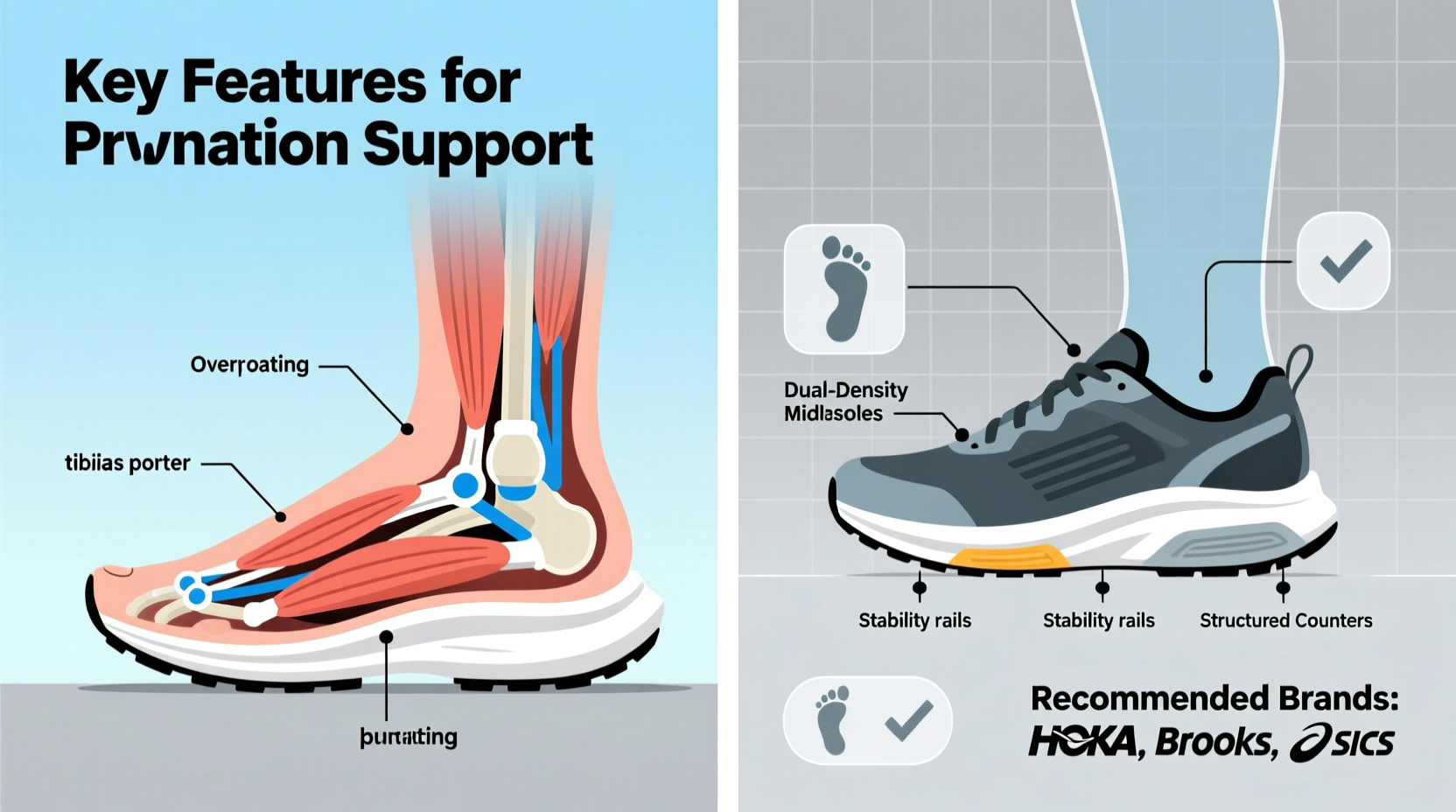
Pronation is the natural inward roll of the foot after heel strike. It helps absorb shock and adapt to different surfaces. However, not all pronation is equal. There are three primary types:
- Neutral pronation: The foot rolls inward about 15%, evenly distributing impact. Ideal biomechanics.
- Overpronation: The foot rolls inward excessively—often beyond 15%—leading to flattening of the arch and strain on tendons.
- Underpronation (supination): The foot rolls outward, placing extra pressure on the outer edge and reducing shock absorption.
Overpronation affects up to 70% of runners and walkers, according to podiatry research, making stability shoes one of the most sought-after categories in athletic footwear. Underpronators, though less common, require cushioned, flexible shoes to compensate for reduced natural shock dispersion.
“Pronation isn’t inherently bad—it’s when it becomes excessive or insufficient that problems arise. The right shoe doesn’t stop pronation; it manages it.” — Dr. Lena Torres, Sports Podiatrist, American College of Foot and Ankle Surgeons
How to Determine Your Pronation Type
Before investing in stability footwear, confirm your pronation pattern. Here are four reliable methods:
- Wet Test: Wet the sole of your foot and step onto a surface that shows the imprint (like cardboard). A flat imprint suggests overpronation; a narrow band indicates supination; a balanced curve points to neutral motion.
- Shoe Wear Analysis: Examine the soles of your current shoes. Excessive wear on the inner side near the ball of the foot often signals overpronation. Outer heel wear may indicate underpronation.
- Gait Analysis at Specialty Stores: Many running shops offer video gait analysis using treadmills and slow-motion playback to assess foot mechanics.
- Podiatrist Evaluation: For chronic pain or uncertainty, consult a foot specialist who can conduct dynamic assessments and recommend orthotics if needed.
Key Features of Stability Shoes for Pronation Control
Not all supportive shoes are created equal. True stability footwear incorporates engineering designed to guide the foot into a healthier motion path. Look for these critical components:
| Feature | Purpose | Finding It in Shoes |
|---|---|---|
| Dual-Density Midsole | Uses firmer foam on the inner side to resist excessive inward roll | Check product specs or squeeze the midsole—denser material will feel harder on the medial side |
| Medial Post | A reinforced column inside the midsole to limit overpronation | Visible as a darker, stiffer section along the arch side |
| Structured Heel Counter | Stabilizes the rearfoot and reduces slippage | Press the back of the shoe—it should resist compression |
| Guided Grooves or Trusstic Systems | Helps transition smoothly from heel to toe | Look for segmented outsoles or internal plastic supports under the arch |
For underpronators, prioritize cushioning, flexibility, and curved last shapes that encourage natural roll. Avoid rigid stability features, which can restrict necessary motion.
Step-by-Step Guide to Choosing the Right Shoe
Selecting the ideal pair involves more than reading reviews. Follow this timeline-tested process:
- Assess Your Activity Level: Are you a daily walker, weekend hiker, or frequent runner? High-impact activities demand greater support.
- Determine Your Foot Type: Combine the wet test, wear patterns, and professional input to classify your pronation.
- Narrow by Category: Overpronators should focus on “stability” or “motion control” shoes. Neutral or supinated feet benefit from “neutral cushioned” models.
- Try Before You Buy: Visit a specialty store late in the day when feet are slightly swollen. Wear the socks you typically use and walk or jog briefly.
- Evaluate Fit: Ensure a thumb’s width between longest toe and end of shoe. The heel should be snug without slipping. Arch support should align with your natural curve.
- Break In Gradually: Wear new shoes for short durations first. Sudden full-day use can cause blisters or strain.
“I once had a patient switch to stability shoes without knowing she was a supinator. Her knee pain worsened until we corrected the mismatch. Fit matters as much as function.” — Dr. Rajiv Mehta, Physical Therapist
Top Brands and Models by Pronation Type
Based on independent lab tests and user feedback, here are consistently recommended options:
| Pronation Type | Recommended Shoe | Why It Works |
|---|---|---|
| Overpronation | Brooks Adrenaline GTS 23 | GuideRails support system stabilizes without over-correcting; durable and responsive |
| Severe Overpronation | ASICS Gel-Kayano 30 | Duomax support system and reinforced heel cup for maximum control |
| Neutral | Nike Pegasus 40 | Balanced cushioning and smooth transition; versatile for training and casual wear |
| Supination / Underpronation | Hoka Clifton 9 | Maximal cushioning and soft EVA foam help absorb impact for rigid feet |
| Everyday Stability | New Balance 860v13 | Firm medial post and breathable mesh; excellent for all-day wear |
Mini Case Study: From Chronic Knee Pain to Pain-Free Running
Mark, a 42-year-old teacher and recreational runner, experienced persistent knee discomfort after increasing his weekly mileage. Despite stretching and strength training, the pain persisted. A gait analysis at a local running store revealed significant overpronation—his left foot rolled inward nearly 25% upon impact. He had been wearing lightweight neutral trainers, which offered no resistance to the collapse.
After switching to the Saucony Guide 16, a dedicated stability shoe with medial posting and a structured heel, Mark noticed improvement within two weeks. His stride felt smoother, and the knee pain gradually subsided. Combined with calf strengthening exercises, the right footwear allowed him to complete his first half-marathon without injury.
This case illustrates how misaligned footwear choices can contribute to secondary issues—even above the foot. Proper pronation support isn’t just about comfort; it’s about whole-body alignment.
FAQ
Can I use orthotics with stability shoes?
Yes, but proceed carefully. Most stability shoes already include built-in support. Adding rigid orthotics may over-correct and cause discomfort. Consult a podiatrist to ensure compatibility.
Are stability shoes only for runners?
No. Anyone who stands for long periods, walks frequently, or has flat feet can benefit. Many stability models are available in walking and casual styles, such as the New Balance WW813 or Brooks Addiction Walker.
Do stability shoes slow me down?
Modern designs have minimized weight differences. While some stability shoes were once bulky, today’s versions like the Asics GT-2000 are lightweight and responsive, offering support without sacrificing speed.
Final Checklist Before Buying
- ✅ Confirmed my pronation type through testing or professional evaluation
- ✅ Identified whether I need stability, motion control, or neutral cushioning
- ✅ Tried shoes on later in the day with appropriate socks
- ✅ Checked for proper heel fit, toe room, and arch match
- ✅ Verified return policy in case the fit isn’t perfect after breaking in
- ✅ Compared multiple brands—fit varies significantly between manufacturers
Take the Next Step Toward Better Foot Health
The journey to optimal foot support starts with awareness and ends with action. Whether you're managing overpronation, seeking relief from plantar fasciitis, or simply want to walk with greater comfort, the right shoes make a measurable difference. Don’t settle for generic advice or trendy designs. Invest time in understanding your feet, test shoes thoroughly, and prioritize function over fashion. Your body will respond with improved posture, reduced fatigue, and greater freedom of movement. Start today—your next step should be a supported one.




 浙公网安备
33010002000092号
浙公网安备
33010002000092号 浙B2-20120091-4
Comments
No comments yet. Why don't you start the discussion?