
Peppers are among the most diverse and widely used ingredients in global cuisines. From the mild sweetness of a bell pepper to the searing heat of a Carolina Reaper, understanding how to identify different types of peppers is essential for both flavor balance and culinary safety. Whether you're shopping at a farmers' market, browsing an international grocery aisle, or planning a garden, knowing what distinguishes one pepper from another—by appearance, color, aroma, and Scoville rating—empowers better cooking decisions. This guide provides a detailed breakdown of common and specialty peppers, their characteristics, uses, and how to tell them apart with confidence.
Definition & Overview
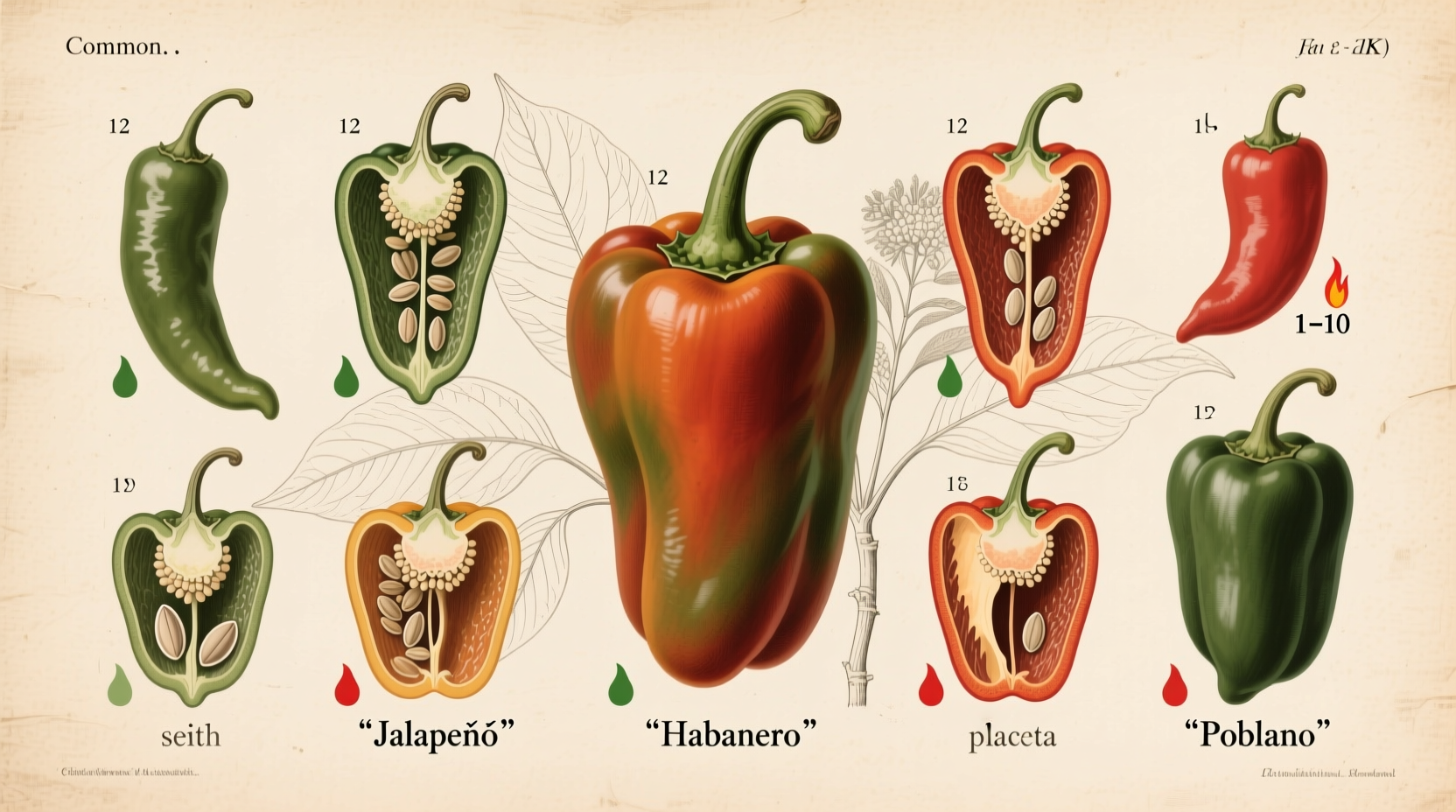
Peppers belong to the genus Capsicum, part of the nightshade family (Solanaceae), which also includes tomatoes and eggplants. While often categorized as vegetables in culinary contexts, they are botanically fruits. Capsicum species originated in the Americas and were spread globally after European contact in the 15th century. Today, hundreds of cultivars exist, varying in size, shape, color, and pungency.
The defining compound in hot peppers is capsaicin, which triggers heat receptors in the mouth and skin. The concentration of capsaicin determines a pepper’s position on the Scoville Heat Scale, measured in Scoville Heat Units (SHU). In contrast, sweet peppers contain negligible capsaicin and contribute primarily texture and flavor.
Peppers serve multiple roles: as a base ingredient in salsas and sauces, a roasted component in stews, a fresh garnish, or a dried spice. Their versatility makes accurate identification critical—not just for taste, but for avoiding unintended heat levels in delicate dishes.
Key Characteristics of Common Peppers
Peppers can be assessed by several key attributes:
- Flavor profile: Ranges from grassy and vegetal to fruity, smoky, or floral.
- Aroma: Fresh peppers emit bright, green notes; roasted or dried versions develop deeper, earthier scents.
- Color: Changes with ripeness—green (unripe), then yellow, orange, red, purple, or brown. Color often correlates with sweetness and nutrient content.
- Heat level: Measured in SHU; ranges from 0 (bell peppers) to over 2 million (pepper extracts).
- Texture: Thick-walled varieties hold up to roasting; thin-skinned types are ideal for quick sautéing or raw use.
- Culinary function: Some peppers are best eaten fresh, others dried, smoked, or fermented.
- Shelf life: Fresh peppers last 1–3 weeks refrigerated; dried forms can keep for years if stored properly.
Tip: Always wash hands after handling hot peppers, especially before touching eyes or face. Use gloves when processing large quantities or extremely hot varieties like ghost or habanero peppers.
Variants & Types of Peppers
The diversity of peppers can be grouped into major categories based on species, use, and heat. Below is a breakdown of the most commonly encountered types, including their identifying traits and culinary applications.
Sweet Peppers (Capsicum annuum)
Bell Pepper
- Appearance: Blocky, four-lobed, thick walls, glossy skin.
- Colors: Green, red, yellow, orange, purple, chocolate-brown.
- Heat: 0 SHU.
- Flavor: Green bells are crisp and slightly bitter; red, yellow, and orange are sweeter and more aromatic.
- Uses: Raw in salads, stuffed, roasted, grilled, or sautéed in fajitas and ratatouille.
Pimento (Pimiento)
- Appearance: Heart-shaped, small, red when ripe.
- Heat: 100–500 SHU (very mild).
- Flavor: Juicy, sweet, low acidity.
- Uses: Stuffed into olives, used in pimento cheese, or blended into relishes.
Mild to Medium-Hot Peppers
Jalapeño
- Appearance: 2–3 inches long, smooth green skin, sometimes with striations (corking).
- Heat: 2,500–8,000 SHU.
- Flavor: Grassy, bright, with a clean heat that builds gradually.
- Uses: Salsa verde, nachos, pickled jalapeños, poppers, or sliced fresh on tacos.
Serrano
- Appearance: Smaller and thinner than jalapeño, typically bright green or red.
- Heat: 10,000–23,000 SHU (hotter than jalapeño).
- Flavor: Crisp, sharp, with a more intense bite.
- Uses: Pico de gallo, fresh salsas, guacamole, or infused oils.
Fresno Chili
- Appearance: Similar to jalapeño but often redder; tapered shape.
- Heat: 2,500–10,000 SHU.
- Flavor: Fruity, slightly smoky when mature.
- Uses: Chile oil, sauces, garnishes; excellent when roasted.
Poblano
- Appearance: Large, dark green, heart-shaped, thick flesh.
- Heat: 1,000–2,000 SHU (mild).
- Flavor: Earthy, rich, with subtle warmth.
- Uses: Stuffed (chiles rellenos), roasted and peeled for rajas, or dried (then called ancho chile).
Ancho Chile (Dried Poblano)
- Appearance: Flat, wrinkled, deep maroon.
- Heat: 1,000–2,000 SHU.
- Flavor: Sweet, raisin-like, with notes of cocoa and tobacco.
- Uses: Mole sauces, chili powders, adobo blends.
Hot Peppers
Habanero
- Appearance: Small, lantern-shaped, usually orange or red (also white, chocolate, peach).
- Heat: 100,000–350,000 SHU.
- Flavor: Intensely fruity—apricot, citrus—with explosive heat.
- Uses: Caribbean hot sauces, marinades, or sparingly in salsas. Handle with care.
Scotch Bonnet
- Appearance: Similar to habanero but more rounded, often with a \"bonnet\" shape.
- Heat: 100,000–350,000 SHU.
- Flavor: Tropical fruit notes, slightly sweeter than habanero.
- Uses: Jamaican jerk seasoning, pepper sauces, goat curry.
Thai Bird’s Eye Chili
- Appearance: Tiny (1 inch), slender, grows upright on plant.
- Heat: 50,000–100,000 SHU.
- Flavor: Sharp, piercing heat with a clean finish.
- Uses: Thai curries, Vietnamese dipping sauces, stir-fries.
Very Hot (Super-Hot) Peppers
Ghost Pepper (Bhut Jolokia)
- Appearance: Wrinkled, pod-like, red or orange.
- Heat: 800,000–1,041,427 SHU.
- Flavor: Smoky, floral, with delayed but prolonged burn.
- Uses: Specialty hot sauces, competitive eating, extreme heat challenges.
Carolina Reaper
- Appearance: Red, bumpy, with a distinctive tail.
- Heat: 1.4–2.2 million SHU (one of the hottest cultivated peppers).
- Flavor: Fruity start, followed by intense, lingering heat.
- Uses: Commercial hot sauces, novelty products—use only in minute quantities.
Trinidad Moruga Scorpion
- Appearance: Bumpy, red, with a stinger-like tip.
- Heat: 1.2–2 million SHU.
- Flavor: Sweet upfront, then rapidly escalating burn.
- Uses: Limited to expert-level applications due to extreme heat.
Smoked & Dried Variants
Chipotle
- Origin: Smoke-dried jalapeño.
- Appearance: Wrinkled, tan to dark brown.
- Heat: 2,500–8,000 SHU.
- Flavor: Deeply smoky, medium heat, slightly sweet.
- Uses: Adobo sauce, braises, rubs, soups.
Guajillo
- Origin: Dried mirasol chili.
- Appearance: Smooth, reddish-brown, flat pods.
- Heat: 2,500–5,000 SHU.
- Flavor: Tangy, berry-like, with mild heat.
- Uses: Salsas, marinades, tamales, enchilada sauces.
Mulato
- Origin: Dried poblano (riper than ancho).
- Appearance: Dark brown, almost black, broader pod.
- Heat: 2,500–3,000 SHU.
- Flavor: Chocolatey, coffee-like, with subtle licorice notes.
- Uses: Mole negro, complex sauces requiring depth.
| Pepper | Scoville Range (SHU) | Typical Use |
|---|---|---|
| Bell Pepper | 0 | Raw, roasted, stuffed |
| Poblano | 1,000–2,000 | Chiles rellenos, rajas |
| Jalapeño | 2,500–8,000 | Salsa, nachos, pickled |
| Serrano | 10,000–23,000 | Fresh salsas, guacamole |
| Habanero | 100,000–350,000 | Hot sauces, Caribbean dishes |
| Ghost Pepper | 800,000–1,041,427 | Specialty sauces |
| Carolina Reaper | 1,400,000–2,200,000 | Commercial/extreme heat |
Comparison with Similar Ingredients
Peppers are often confused with other spicy or visually similar ingredients. Understanding the differences prevents culinary mishaps.
Pepper vs. Chili vs. Capsicum
- Pepper: Culinary term often used interchangeably with “chili” in American English. Refers to fresh or dried Capsicum fruit.
- Chili: Can refer to the pepper itself or a stew (e.g., chili con carne). In British English, “chilli” usually means the fresh pepper.
- Capsicum: The botanical genus. In Australia and India, “capsicum” refers exclusively to bell peppers, while “chilli” denotes hot varieties.
Black Pepper vs. Chili Peppers
Despite the shared name, black pepper (Piper nigrum) is unrelated to chili peppers. It comes from a flowering vine and delivers heat through piperine, not capsaicin. Black pepper lacks the fruity complexity of chilies and is used more universally as a seasoning.
Paprika: Sweet, Smoked, Hot
Paprika is made from ground dried sweet or hot peppers, typically Capsicum annuum. It varies by region:
- Hungarian paprika: Rich, sweet, aromatic—used in goulash.
- Spanish pimentón: Smoked version, available in sweet (dulce), medium (agridulce), and hot (picante).
- American paprika: Often milder, used for color in deviled eggs or potato salad.
Practical Usage & Cooking Applications
Knowing how to use each pepper type elevates everyday cooking. Here are actionable guidelines for integrating peppers into meals.
When to Use Fresh vs. Dried
- Fresh peppers: Best for raw applications (salsas, salads), quick cooking (stir-fries), or roasting. Choose firm, unblemished specimens with tight skin.
- Dried peppers: Ideal for slow-cooked sauces, stews, or grinding into spice blends. Rehydrate by soaking in hot water for 20 minutes before use.
Roasting & Peeling Tips
- Char peppers over an open flame, under a broiler, or on a grill until blistered.
- Place in a bowl and cover with plastic wrap for 10–15 minutes to steam.
- Peel off the skin, remove seeds and stems, then use immediately or store in oil.
This technique enhances sweetness and softens texture, particularly effective with poblanos, bell peppers, and jalapeños.
Building Flavor Layers with Peppers
In professional kitchens, chefs layer pepper types to create complexity. For example:
- Start with mild heat (poblano) as a base.
- Add brightness with fresh serrano or jalapeño.
- Finish with a touch of habanero for aromatic heat.
This approach balances flavor without overwhelming the palate.
Pairing Suggestions
- Sweet peppers + dairy: Bell peppers pair well with cream, cheese, and sour cream (e.g., stuffed peppers).
- Hot peppers + acid: Lime juice or vinegar cuts heat and brightens flavor (e.g., ceviche with serranos).
- Smoked peppers + meat: Chipotle complements beef, pork, and beans.
- Fruity chilies + fruit: Habanero with mango or pineapple creates balanced hot sauces.
Pro Tip: Remove seeds and white membranes (placenta) to reduce heat. Most capsaicin is concentrated there, not in the flesh.
Storage & Shelf Life
Proper storage preserves freshness and potency.
- Fresh peppers: Store in the crisper drawer in a paper bag for up to 2 weeks. Do not wash until ready to use.
- Dried peppers: Keep in airtight containers away from light and moisture. Last 1–3 years.
- Roasted peppers: Pack in olive oil in sterilized jars; refrigerate and use within 3 weeks.
- Freezing: Whole or chopped peppers freeze well for 6–12 months. Blanch first for better texture.
Substitutions & Alternatives
Relying on exact pepper types isn't always practical. Use these substitutions when needed:
| If You Need… | Use Instead | Adjustment Notes |
|---|---|---|
| Jalapeño | Serrano (½ amount) or green bell (no heat) | Reduce serrano by half; add hot sauce if using bell. |
| Habanero | Scotch bonnet (same ratio) or ¼ tsp cayenne powder | Same heat profile; cayenne lacks fruitiness. |
| Poblano | Green bell + pinch of cayenne | Simulates texture and mild warmth. |
| Chipotle in adobo | Smoked paprika + canned tomato paste + pinch of cayenne | Mimics smokiness and tang. |
Practical Tips & FAQs
Q: How do I reduce the heat of a dish that’s too spicy?
A: Add dairy (yogurt, sour cream), acid (lime juice, vinegar), sugar, or starch (rice, bread). These dilute or counteract capsaicin. Avoid drinking water—it spreads the heat.
Q: Are colorful bell peppers different beyond appearance?
A: Yes. Green bells are unripe and more bitter. As they mature to yellow, orange, and red, sugar content increases, and vitamin C nearly doubles in red peppers.
Q: Can I grow my own peppers?
A: Absolutely. Most peppers thrive in warm climates with full sun and well-drained soil. Start seeds indoors 6–8 weeks before the last frost. Harvest time varies: bell peppers in 70 days, super-hots in 90–120.
Q: Why do some peppers have corking (white lines)?
A: Corking—superficial striations on jalapeños and other chilies—is harmless and often indicates robust growth. Some growers consider it a sign of potential heat intensity.
Q: Is capsaicin healthy?
A: In moderation, yes. Capsaicin has anti-inflammatory properties, may boost metabolism, and is used in topical pain relievers. However, excessive consumption can irritate the digestive tract.
\"Understanding peppers is about respecting their power. One habanero can transform a pot of soup—not always for the better. Learn the language of heat, and you’ll cook with precision.\" — Chef Elena Ruiz, Culinary Instructor, New Orleans School of Cooking
Summary & Key Takeaways
Identifying different types of peppers requires attention to form, color, texture, and context. From the zero-heat bell pepper to the million-Scoville super-hots, each variety brings distinct qualities to the kitchen. Recognizing whether a pepper is best used fresh, roasted, dried, or smoked allows for greater control over flavor and heat.
Key points to remember:
- Color indicates ripeness and sweetness—red, orange, and yellow peppers are sweeter than green.
- Heat is concentrated in the placenta and seeds; remove them to reduce spiciness.
- Dried peppers offer concentrated, earthy flavors and must often be rehydrated before use.
- Smoked peppers like chipotle and pimentón add depth to savory dishes.
- Substitutions are possible, but adjust quantities carefully—especially with hot varieties.
- Always handle super-hot peppers with gloves and avoid contact with sensitive areas.
Explore global cuisines to expand your pepper repertoire. Try Ethiopian berbere (contains bird’s eye chilies), Korean gochugaru (sun-dried red pepper flakes), or Peruvian ají amarillo for new dimensions of flavor.




 浙公网安备
33010002000092号
浙公网安备
33010002000092号 浙B2-20120091-4
Comments
No comments yet. Why don't you start the discussion?