
Peppers are among the most diverse and widely used ingredients in global cuisines, offering a spectrum of flavors that range from sweet and fruity to searingly hot. For home cooks and professional chefs alike, understanding spice levels is essential—not only for balancing flavor but also for avoiding unintended culinary disasters. The heat in peppers is measured using the Scoville scale, a system developed over a century ago that quantifies capsaicin concentration. Yet beyond numbers, each pepper brings its own aroma, texture, and culinary role. This guide demystifies the spice levels of common peppers, explains their flavor profiles, and provides practical advice on how to use them effectively in everyday cooking.
Definition & Overview
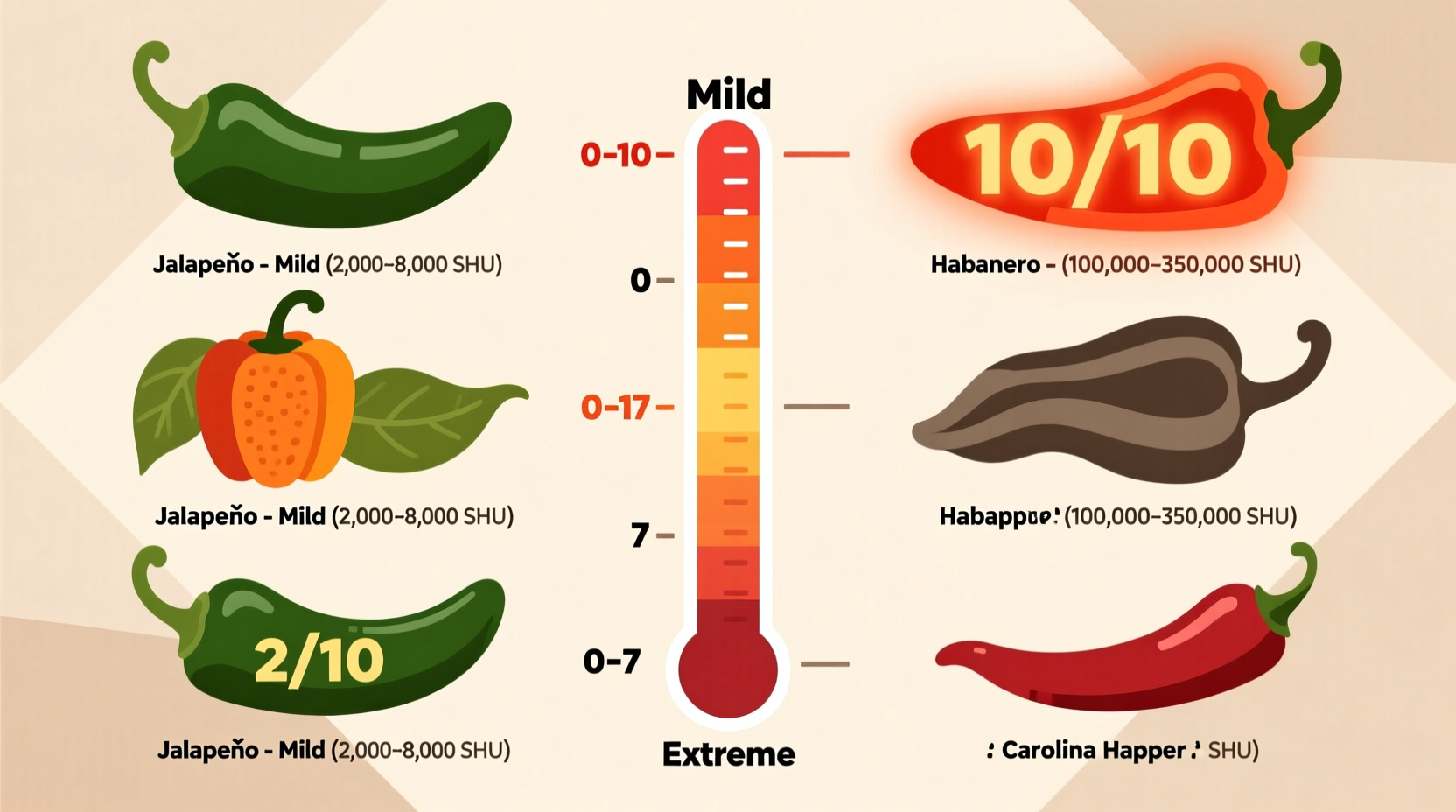
Peppers, botanically classified as fruits of the *Capsicum* genus, are native to the Americas and have been cultivated for over 6,000 years. They were introduced to Europe, Africa, and Asia following Columbus’s voyages and quickly became integral to regional cuisines. Today, thousands of varieties exist, broadly categorized into sweet and hot types. The primary compound responsible for heat—capsaicin—activates pain receptors in the mouth, creating the sensation of spiciness. While heat is often the focus, peppers also contribute acidity, sweetness, smokiness, and earthiness, making them multifunctional in seasoning, garnishing, and preserving.
The Scoville Heat Unit (SHU) scale remains the standard for measuring pepper pungency. Originally based on human taste panels diluting pepper extracts until heat was undetectable, modern methods use high-performance liquid chromatography (HPLC) for precision. Values can vary within the same variety due to growing conditions, ripeness, and seed placement, but general ranges provide reliable guidance for kitchen use.
Key Characteristics of Common Peppers
Beyond heat, peppers differ significantly in flavor, color, texture, and culinary application. Below is a detailed overview of 15 common peppers, ranked from mildest to hottest, with their typical Scoville ratings, flavor notes, and physical traits.
| Pepper | Scoville Heat Units (SHU) | Flavor Profile | Color/Form | Culinary Function |
|---|---|---|---|---|
| Bell Pepper | 0 SHU | Sweet, grassy, slightly vegetal | Green, red, yellow, orange; blocky, thick-walled | Raw salads, roasting, stuffing, sautéing |
| Pimento | 100–500 SHU | Very mild, sweet, tangy | Red, heart-shaped, soft flesh | Stuffed olives, relishes, pimento cheese |
| Pepperoncini | 100–500 SHU | Mild, slightly bitter, vinegary when pickled | Yellow-green to red, slender, wrinkled | Pickling, sandwiches, antipasto platters |
| Cherry Pepper | 0–500 SHU | Sweet, juicy, mild heat (if any) | Round, red, thin skin | Stuffed, roasted, pickled |
| Anaheim | 500–2,500 SHU | Mild, earthy, slightly sweet when roasted | Long, green to red, tapered | Chiles Rellenos, salsas, roasting |
| Guajillo | 2,500–5,000 SHU | Tangy, berry-like, tea-like finish | Dried, reddish-brown, smooth skin | Dried chili sauces, marinades, stews |
| Poblano | 1,000–2,000 SHU | Earthy, rich, mildly spicy | Dark green, large, heart-shaped | Chiles Rellenos, Rajas, mole bases |
| Jalapeño | 2,500–8,000 SHU | Grassy, bright, slightly smoky (especially smoked = chipotle) | Green to red, short, cylindrical | Salsas, guacamole, pickling, infusion |
| Serrano | 10,000–23,000 SHU | Crisp, sharp, clean heat | Green to red, small, elongated | Fresh salsas, pico de gallo, garnish |
| Fresno | 2,500–10,000 SHU | Similar to jalapeño but fruitier, especially when red | Red or green, tapered, smooth | Salsas, chili oils, roasting |
| Cayenne | 30,000–50,000 SHU | Sharp, biting, moderately smoky | Long, thin, red, dried or powdered | Spice blends, hot sauces, seasoning rubs |
| Thai Bird’s Eye Chili | 50,000–100,000 SHU | Intense, floral, citrusy heat | Small, upright, red or green | Thai curries, stir-fries, dipping sauces |
| Habanero | 100,000–350,000 SHU | Fruity, tropical (mango, apricot), very hot | Orange, lantern-shaped, thin walls | Hot sauces, Caribbean dishes, glazes |
| Scotch Bonnet | 100,000–350,000 SHU | Similar to habanero but sweeter, more complex | Bonnet-shaped, orange or red | Jamaican jerk, sauces, stews |
| Ghost Pepper (Bhut Jolokia) | 800,000–1,041,427 SHU | Smoky, slightly sweet, then overwhelming heat | Red, wrinkled, irregular shape | Extreme heat applications, novelty dishes |
Practical Usage: How to Use Peppers by Heat Level
Understanding where a pepper falls on the Scoville scale is only useful if you know how to apply it. Here’s how to incorporate different peppers into your cooking based on their intensity and flavor profile.
0–500 SHU: Sweet and Mild (Bell, Pimento, Cherry, Pepperoncini)
These peppers add color, crunch, and subtle sweetness without altering the heat balance of a dish. Bell peppers are ideal for roasting—charring enhances their natural sugars—and work well in ratatouille, fajitas, or stuffed preparations. Pickled pepperoncini bring brightness to sandwiches and charcuterie boards. Cherry peppers, often sold jarred, are excellent stuffed with cheese or minced meat.
Tip: When roasting bell peppers, place them under a broiler or directly on a gas flame until blackened. Seal in a bowl covered with plastic wrap for 10 minutes, then peel off the skin for a tender, smoky result.
500–5,000 SHU: Low to Moderate Heat (Anaheim, Poblano, Guajillo)
These are workhorse chilies in Mexican and Southwestern cooking. Poblanos, when roasted and peeled, become *chiles pasilla* and are central to dishes like *Chiles Rellenos*. Anaheims are milder and better suited for stuffing or blending into green sauces. Dried guajillos offer depth to marinades and moles—their tangy bite cuts through fatty meats like pork shoulder.
Use gloves when handling roasted poblanos; even mild chilies can irritate sensitive skin. Remove seeds and white membranes to reduce heat further.
2,500–23,000 SHU: Medium to Hot (Jalapeño, Serrano, Fresno)
Jalapeños are the gateway chili for many home cooks. Finely diced, they add controlled heat to guacamole, nacho cheese, and cornbread. Roasted and blended, they form the base of *salsa verde*. For extra complexity, use smoked jalapeños (chipotles in adobo), which contribute both heat and deep umami.
Serranos deliver a cleaner, sharper punch than jalapeños and are preferred in raw salsas where freshness matters. Their thinner walls make them easier to mince uniformly. Red Fresnos, when fully ripe, develop a fruitiness akin to red bell peppers but with noticeable heat—ideal for chili oil infusions or fresh relishes.
Pro Tip: To control heat in salsa, remove all seeds and inner ribs from jalapeños or serranos. Taste a small piece first—pepper heat varies wildly, even within the same batch.
30,000–100,000 SHU: Hot (Cayenne, Thai Bird’s Eye)
Cayenne pepper, commonly found in powdered form, is a staple in Creole, Cajun, and Indian cooking. A pinch adds warmth to soups, stews, and dry rubs. Fresh cayennes can be dried at home—thread them on a string and hang in a warm, dry place for two weeks.
Thai bird’s eye chilies are non-negotiable in authentic Thai cuisine. Crushed or thinly sliced, they elevate green curry paste, drunken noodles, and *nam prik* (chili dips). Because of their intense heat, use sparingly—start with half a chili per serving and adjust.
100,000+ SHU: Extremely Hot (Habanero, Scotch Bonnet, Ghost Pepper)
These peppers are not for casual use. Habaneros and Scotch bonnets share a fruity backbone that makes them perfect for tropical hot sauces—think mango-habanero or pineapple-Scotch bonnet. Their heat builds slowly, so caution is essential. Always use gloves when cutting, and avoid touching your face.
Ghost peppers cross into “extreme” territory. One-tenth of a ghost pepper may be enough for an entire pot of chili. They’re best used in controlled applications like infused oils (used sparingly) or commercial hot sauces. Never consume raw.
“In Yucatán, we don’t say ‘how hot is the habanero?’ We say ‘how much flavor does it bring?’ Heat is just one dimension.” — Chef Santiago López, Mérida, Mexico
Variants & Types: Fresh, Dried, Smoked, and Powdered
Many peppers exist in multiple forms, each altering flavor and usability.
- Fresh: Best for salsas, salads, and quick-cooking dishes. Offers crisp texture and bright flavor.
- Dried: Concentrates flavor and extends shelf life. Rehydrate by soaking in hot water before use in sauces or stews.
- Smoked: Adds depth—smoke transforms jalapeños into chipotles, and moritas are smoked red serranos. Essential in barbecue rubs and adobo sauces.
- Powdered: Convenient for seasoning blends. Cayenne, paprika, and chili powder are pantry staples. Note: “chili powder” in the U.S. often contains cumin and garlic—check labels.
For example, a poblano becomes ancho when dried—slightly sweeter and more raisin-like. A guajillo is already a dried mirasol chili, prized for its tartness. Understanding these transformations allows cooks to substitute intelligently across recipes.
Comparison with Similar Ingredients
Peppers are often confused with other pungent ingredients. Here’s how they differ:
| Ingredient | Heat Source | Flavor Profile | Best Used In |
|---|---|---|---|
| Black Pepper (Piper nigrum) | Piperine | Woody, sharp, aromatic | Finishing salt-and-pepper dishes, sauces |
| Horseradish / Wasabi | Isothiocyanates | Sharp, nasal heat (dissipates quickly) | Sushi, roast beef, cocktail sauce |
| Chili Peppers | Capsaicin | Burning, lingering heat (builds on tongue) | Salsas, curries, marinades, condiments |
Unlike black pepper or horseradish, capsaicin is fat-soluble and alcohol-soluble, meaning dairy (like yogurt or sour cream) and alcoholic beverages (like beer) help neutralize the burn. Water spreads capsaicin and worsens the sensation.
Practical Tips & FAQs
How do I reduce the heat of a dish that’s too spicy?
Add acid (lime juice, vinegar), sweetness (honey, sugar), or fat (cream, coconut milk). Dilute with more base ingredients (beans, tomatoes, rice). Serve with dairy-based sides like raita or queso fresco.
Can I substitute one pepper for another?
Yes, but consider both heat and flavor. Replace serranos with jalapeños for less heat, but expect a grassier note. Use smoked paprika instead of chipotle powder for similar smokiness without extreme heat.
How should I store fresh peppers?
Keep unwashed peppers in a paper bag in the crisper drawer for up to two weeks. For longer storage, freeze whole or chopped peppers—they’ll soften when thawed but retain flavor for cooked dishes.
Are hotter peppers healthier?
All peppers are rich in vitamin C and antioxidants. Capsaicin has been studied for metabolic and anti-inflammatory benefits, but consumption should match tolerance. Very hot peppers may irritate the digestive tract in sensitive individuals.
Does seed removal eliminate heat?
Most heat resides in the placental tissue (white ribs) inside the pepper, not the seeds themselves. However, seeds often cling to this tissue, so removing both reduces spiciness significantly.
Why do some jalapeños taste hotter than others?
Stress factors like drought, temperature swings, and soil composition increase capsaicin production. A stressed plant produces hotter fruit as a defense mechanism. Organic or homegrown jalapeños may vary more than commercial ones bred for consistency.
Checklist: Safe Handling of Hot Peppers
- Wear disposable gloves when cutting
- Avoid touching eyes, nose, or mouth
- Wash hands and tools thoroughly after use
- Use separate cutting boards for hot chilies
- Label containers clearly if storing pre-chopped peppers
Summary & Key Takeaways
Peppers are far more than sources of heat—they are nuanced ingredients that contribute aroma, color, acidity, and sweetness to dishes. From the zero-heat bell pepper to the blistering ghost pepper, each variety serves a distinct purpose in the kitchen. Understanding Scoville ratings helps manage spice levels, but flavor compatibility matters just as much. Dried peppers deepen stews, fresh chilies brighten salsas, and smoked versions add complexity to rubs and sauces.
Successful use hinges on matching the pepper to the dish: mild poblanos for stuffing, fiery habaneros for tropical sauces, and versatile jalapeños for everyday heat. Always respect the power of capsaicin—handle carefully, taste incrementally, and balance with cooling elements when needed.
Mastering pepper usage elevates your cooking from predictable to dynamic, allowing you to craft layers of flavor that excite rather than overwhelm. Whether you're building a smoky mole or tossing a crisp pico de gallo, knowing your peppers ensures confidence and control in every bite.
Next time you reach for a chili, consider not just the heat—but the story it tells on the palate. Experiment with one new pepper this week, and note how its flavor transforms your dish.




 浙公网安备
33010002000092号
浙公网安备
33010002000092号 浙B2-20120091-4
Comments
No comments yet. Why don't you start the discussion?