
Choosing the right bike wheels can transform your riding experience. More than just rotating parts, wheels are central to a bicycle’s efficiency, comfort, and responsiveness. Whether you're commuting through city streets, climbing mountain trails, or racing on open roads, the quality and design of your wheels influence speed, stability, and ride feel. With advancements in materials, aerodynamics, and engineering, today’s cyclists have access to wheelsets that balance lightweight agility with durability and shock absorption. Understanding what makes certain wheels excel in specific conditions allows riders to make informed decisions tailored to their goals.
Understanding Wheel Components and Their Impact
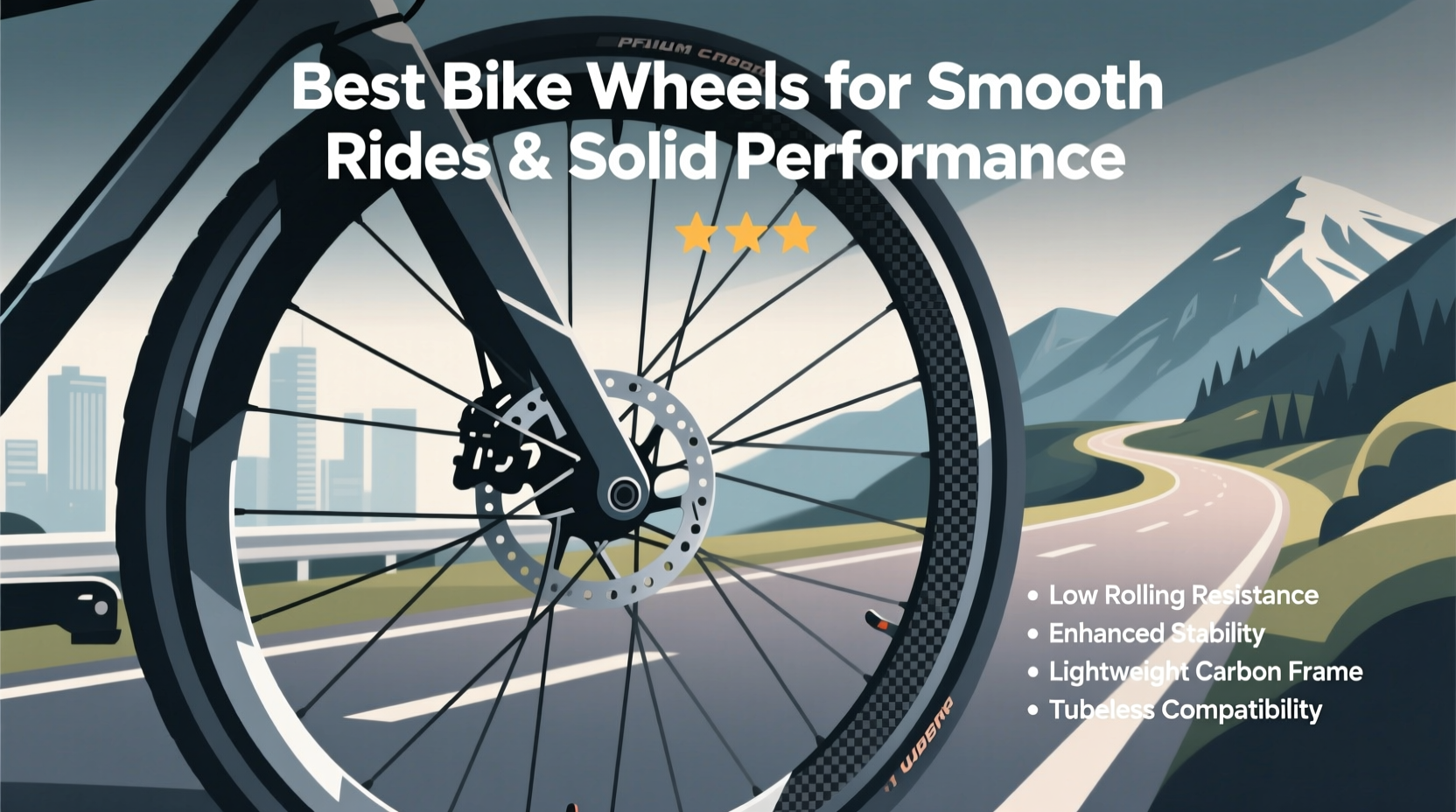
A bicycle wheel consists of three primary components: the rim, hub, and spokes. Each plays a distinct role in overall performance.
- Rim: The outer edge where the tire attaches. Rim material (aluminum vs. carbon fiber) affects weight, braking performance, and aerodynamics. Wider rims improve tire stability and rolling resistance on rough surfaces.
- Hub: Located at the center, it houses bearings that allow smooth rotation. High-quality hubs reduce friction and require less maintenance. Sealed cartridge bearings are preferred for longevity in wet or dusty environments.
- Spokes: Connect the hub to the rim. Spoke count, pattern (radial vs. crossed), and material (steel vs. bladed) affect stiffness, weight distribution, and vibration damping.
The depth of the rim—measured from top to bottom—affects aerodynamic efficiency. Deep-section rims cut through wind better but can be harder to control in crosswinds. Shallow rims offer more maneuverability and are often lighter, making them ideal for climbing.
Material Choices: Aluminum vs. Carbon Fiber
The debate between aluminum and carbon fiber rims isn’t about which is universally better—it’s about matching material strengths to your riding style.
| Feature | Aluminum Rims | Carbon Fiber Rims |
|---|---|---|
| Weight | Moderate | Lighter (especially deep-section) |
| Braking Performance (Wet) | Excellent, consistent | Poorer unless treated braking surface |
| Durability | High—resistant to impact damage | Lower—can crack under sharp impacts |
| Cost | Affordable to mid-range | Premium pricing |
| Ride Quality | Slightly harsher on rough roads | Smaller vibrations absorbed better |
Aluminum remains the go-to choice for endurance riders, touring cyclists, and those who prioritize reliability over marginal gains. Carbon fiber shines in time trials, triathlons, and road racing, where every second counts and conditions are controlled.
“Carbon wheels have revolutionized race-day performance, but aluminum still wins for real-world versatility.” — Lena Torres, Professional Bike Mechanic & Race Technician
Matching Wheels to Riding Style and Terrain
No single wheelset excels across all scenarios. Matching your wheels to your typical routes and objectives ensures optimal performance.
Road Cycling
For paved routes, focus on aerodynamics and low rolling resistance. Mid-depth carbon wheels (40–60mm) strike a balance between speed and crosswind stability. Look for wide internal rim widths (19–21mm) to support modern 25–28mm tires at lower pressures, enhancing comfort without sacrificing speed.
Gravel and Adventure Riding
These disciplines demand resilience. Aluminum rims with tubeless compatibility handle sharp rocks and potholes better than carbon. A spoke count of 24–28 front and rear provides lateral strength. Hookless rims are increasingly popular here for improved impact resistance and easier tire mounting.
Mountain Biking
Trail and enduro riders benefit from 27.5” or 29” wheels depending on frame geometry. Modern trends favor wider rims (30mm+) to increase tire volume and traction. Alloy rims dominate due to their ability to withstand drops and root strikes. Tubeless setups reduce pinch flats and allow lower pressures for grip.
Commuting and Urban Riding
Durability and low maintenance take precedence. Steel spokes and double-walled aluminum rims resist daily wear. Dynamo-compatible hubs power lights reliably. Consider disc brake compatibility for consistent stopping in rain or traffic.
Step-by-Step Guide to Choosing Your Ideal Wheelset
Selecting the right wheels doesn’t need to be overwhelming. Follow this logical sequence to narrow down your options:
- Define your primary use: Are you racing, touring, gravel grinding, or commuting? This determines priority features like weight, durability, or aerodynamics.
- Check compatibility: Confirm your bike’s brake type (rim vs. disc), axle standard (QR vs. thru-axle), and frame clearance—especially if upgrading to wider tires or deeper rims.
- Determine budget: Entry-level alloy wheels start around $200/pair; high-end carbon sets exceed $2,000. Mid-range options ($500–$900) often deliver the best value.
- Evaluate rim width: Match internal width to tire size. A 21mm internal rim suits 25–32mm tires optimally. Wider rims improve cornering stability and air volume.
- Assess hub quality: Listen for smooth, quiet bearing spin when demoing wheels. Sealed units from brands like DT Swiss, Chris King, or Shimano Dura-Ace offer long-term reliability.
- Consider future-proofing: Choose tubeless-ready rims even if you’re using inner tubes now. Most modern tires perform better without tubes, and conversion is simple later.
- Read real-world reviews: Look beyond lab tests. Riders’ reports on long-term durability, crash resistance, and service availability provide critical insight.
Frequently Asked Questions
Do deeper wheels always mean faster speeds?
Not necessarily. While deep rims (60mm+) reduce drag in straight-line riding, they add weight and become unstable in gusty conditions. For hilly or technical courses, shallower wheels (30–40mm) may actually save time due to better acceleration and handling.
How often should I inspect my wheels?
Monthly visual checks are recommended. Spin each wheel and watch for wobbles. Pluck the spokes to ensure even tension—sudden changes indicate potential failure. True wheels annually or after major impacts.
Can I mix wheel brands between front and rear?
Yes, as long as both are compatible with your frame, brakes, and drivetrain. Some riders pair a deeper rear wheel (for drivetrain efficiency) with a shallower front (for wind stability). Ensure spoking patterns and hub standards align.
Top Recommendations by Category
- Best All-Round Road Wheel: Zipp 303 S, combining 45mm depth with wide rims and excellent braking.
- Best Value Gravel Wheel: WTB ST i23, durable aluminum, tubeless-ready, and affordable.
- Best Climbing Wheel: Lightweight carbon sets like the ENVE SES 2.3, under 1,300g per pair.
- Best Commuter Wheel: Shimano RX400, reliable, double-walled alloy with dynamo hub option.
- Best Premium Performer: Campagnolo Bora Ultra 50, exceptional aerodynamics and Italian craftsmanship.
“Your wheels are the only part of the bike touching the ground. Invest wisely—they define how the bike feels beneath you.” — Marcus Reed, Cycling Coach & Former Pro Rider
Final Thoughts: Ride Smarter, Not Just Faster
The best bike wheels aren’t always the lightest or most expensive—they’re the ones that align with how and where you ride. Smoothness comes not just from flawless pavement, but from thoughtful component selection that absorbs road buzz and maintains momentum. Performance isn’t measured solely in watts or speed, but in confidence, comfort, and consistency over miles. Whether you upgrade one wheelset or build a collection for different purposes, prioritize fit, function, and long-term satisfaction.




 浙公网安备
33010002000092号
浙公网安备
33010002000092号 浙B2-20120091-4
Comments
No comments yet. Why don't you start the discussion?