
Running is more than just putting one foot in front of the other. Behind every strong stride lies a foundation of knowledge—about biomechanics, mental resilience, pacing strategy, and sustainable progress. While experience builds skill, insight accelerates it. The right book can transform your approach, helping you train smarter, recover faster, and stay motivated through plateaus and setbacks. This guide highlights essential reads that blend science, storytelling, and practical wisdom to elevate your running journey.
Why Books Still Matter in a Digital Age
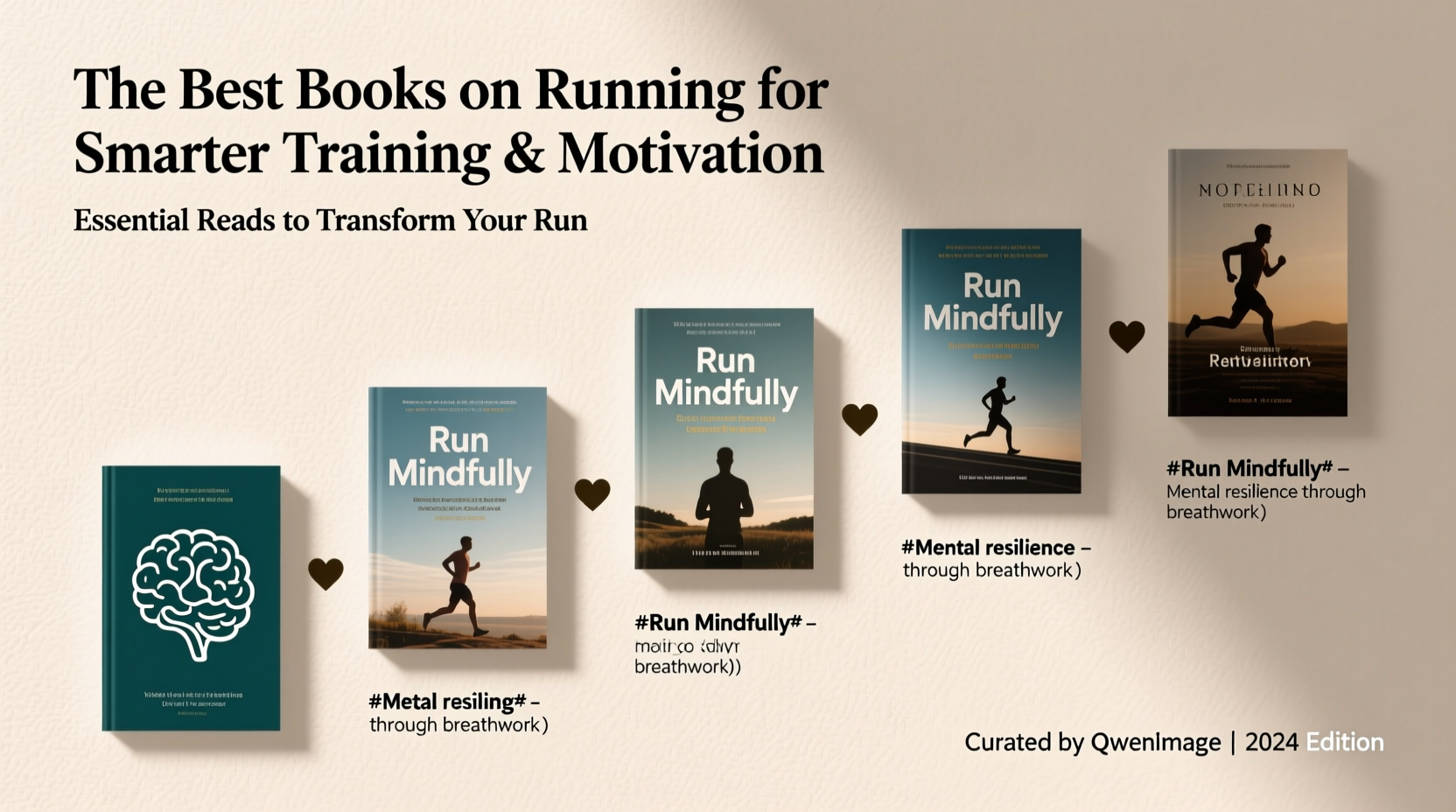
In an era of podcasts, apps, and YouTube tutorials, the depth and structure of a well-researched book remain unmatched. Unlike fragmented online content, books offer cohesive frameworks, backed by years of coaching, physiology research, or personal triumph. They allow readers to slow down, reflect, and internalize concepts critical to long-term improvement. Whether you're training for your first 5K or aiming for a marathon personal best, these books provide tools that go beyond mileage logs and heart rate zones.
“Reading about running taught me how to listen to my body, not just push through pain. That shift alone prevented two injuries.” — David R., recreational runner and coach
Top 7 Books Every Runner Should Read
The following titles stand out for their clarity, evidence-based insights, and real-world applicability. They cover training methodology, psychology, nutrition, and injury prevention—key pillars of intelligent running.
- Running Rewired by Jay Dicharry – A deep dive into movement mechanics, this book rethinks how runners build strength and stability. Dicharry, a physical therapist and biomechanics expert, uses accessible language to explain why so many runners get injured—and how neuromuscular training can fix it.
- Advanced Marathoning by Pete Pfitzinger and Scott Douglas – The gold standard for serious distance runners. It breaks down periodization, lactate threshold training, and race-specific preparation with data-driven precision.
- Let Your Mind Run by Deena Kastor (with Michelle Hirsch) – Olympic medalist Kastor reveals how mindfulness and positive self-talk transformed her career. This memoir doubles as a masterclass in mental endurance.
- The Born to Run by Christopher McDougall – A cultural phenomenon that reignited interest in minimalist running and intrinsic motivation. While controversial in some claims, its core message—that humans are built to run—resonates deeply with newcomers and veterans alike.
- 80/20 Running by Matt Fitzgerald – Based on decades of performance data, this book champions polarized training: 80% of runs at low intensity, 20% at high. It’s a proven model for maximizing fitness gains without burnout.
- ROCKS We Are: A Runner’s Guide to Resilience by Jason Fitzgerald – Not to be confused with Matt Fitzgerald, Jason’s work focuses on sustainable habits, emotional regulation, and goal-setting. Ideal for runners struggling with consistency.
- Food & the Endurance Athlete by Sally Hara – Often overlooked, nutrition directly impacts recovery and performance. Hara delivers clear guidelines on fueling before, during, and after runs, tailored to different distances and goals.
How to Apply Book Knowledge to Real Training
Knowledge without action yields no results. To turn insights into improvement, integrate what you learn into structured practice. For example, after reading Running Rewired, begin incorporating balance drills and single-leg exercises twice a week. From 80/20 Running, audit your weekly log: are most of your runs truly easy? Use a heart rate monitor or perceived exertion scale to verify.
One common mistake is adopting too many changes at once. Instead, pick one concept per month to focus on. This method ensures sustainable adaptation without overwhelming your routine.
Step-by-Step: Building a Smarter Training Plan Using Book Insights
- Assess your current habits – Track your weekly mileage, intensity distribution, strength work, and rest days.
- Choose one book aligned with your biggest challenge – Injury-prone? Start with Running Rewired. Stalled mentally? Try Let Your Mind Run.
- Identify 2–3 actionable takeaways – For example: “Add plyometric jumps twice weekly” or “Practice breath-focused meditation pre-run.”
- Integrate gradually over 4 weeks – Monitor how your body and performance respond.
- Reassess and adjust – After a month, evaluate changes in energy, pace, and enjoyment.
Comparing Training Philosophies Across Key Titles
| Book Title | Core Philosophy | Best For | Key Takeaway |
|---|---|---|---|
| Advanced Marathoning | Periodized, science-backed training | Marathoners, competitive runnersTargeted workouts improve aerobic capacity and race efficiency | |
| 80/20 Running | Polarized intensity distribution | All levels seeking sustainable progressMaintaining true easy runs prevents overtraining | |
| Running Rewired | Neuromuscular strength and control | Injury-prone or rehabbing runnersStability under fatigue reduces risk of strain | |
| Let Your Mind Run | Mindset and emotional resilience | Motivation, mental blocksSelf-talk shapes physical endurance | |
| The Born to Run | Intrinsic joy and natural movement | Beginners, burnout recoveryRunning should feel joyful, not punitive |
Real Example: How One Runner Transformed Her Training
Sarah M., a 38-year-old teacher and half-marathoner, plateaued at 2:08 for three consecutive races. Frustrated, she picked up 80/20 Running on a friend’s recommendation. She realized her \"easy\" runs were often at threshold pace, leaving her fatigued for quality sessions.
She adjusted her plan: long runs dropped by 30 seconds per mile, recovery jogs became truly slow, and she added walk breaks when needed. Within eight weeks, her average pace improved, and she ran her next half-marathon in 1:56—despite logging fewer hard workouts. “The book didn’t give me new workouts,” she said. “It gave me permission to slow down.”
Essential Checklist: Maximizing Value from Running Books
- ✅ Identify your current training gap (injury, motivation, plateau)
- ✅ Select a book addressing that specific area
- ✅ Highlight or note 3–5 key practices to implement
- ✅ Schedule time to read consistently (e.g., 15 minutes post-dinner)
- ✅ Pair reading with journaling: track changes in mood, performance, and effort
- ✅ Share insights with a running partner or coach for accountability
Frequently Asked Questions
Do I need to read these books in order?
No. Start with the topic most relevant to your current goals. If you’re recovering from an injury, begin with Running Rewired. If you’re losing motivation, Let Your Mind Run may be more impactful.
Are these books suitable for beginners?
Most are accessible to all levels. The Born to Run and Let Your Mind Run are especially beginner-friendly. Advanced Marathoning is more technical but still valuable for novices aiming to build a strong foundation.
Can audiobooks be as effective as physical copies?
Audiobooks work well for narrative-driven titles like The Born to Run or Let Your Mind Run. However, for technical guides (Advanced Marathoning, Running Rewired), a physical or e-book format allows better note-taking and reference.
Final Thoughts: Turn Pages Into Progress
The best runners aren’t always the fastest—they’re the ones who keep learning. Books offer a quiet, reflective space to absorb lessons that don’t come from GPS watches or race medals. Whether you’re refining your form, rebuilding confidence, or planning your next big race, these titles serve as trusted co-coaches, offering wisdom that transcends trends.




 浙公网安备
33010002000092号
浙公网安备
33010002000092号 浙B2-20120091-4
Comments
No comments yet. Why don't you start the discussion?