
For cat owners, maintaining a clean and odor-free home while ensuring feline comfort is a constant balancing act. The right cat box can make all the difference—transforming a chore into a seamless part of daily life. Not all litter boxes are created equal; some reduce tracking, others minimize odors, and a few even blend into your decor. Understanding what makes a cat box effective—and how it fits your cat’s behavior and your living space—is essential for long-term satisfaction.
Why the Right Cat Box Matters
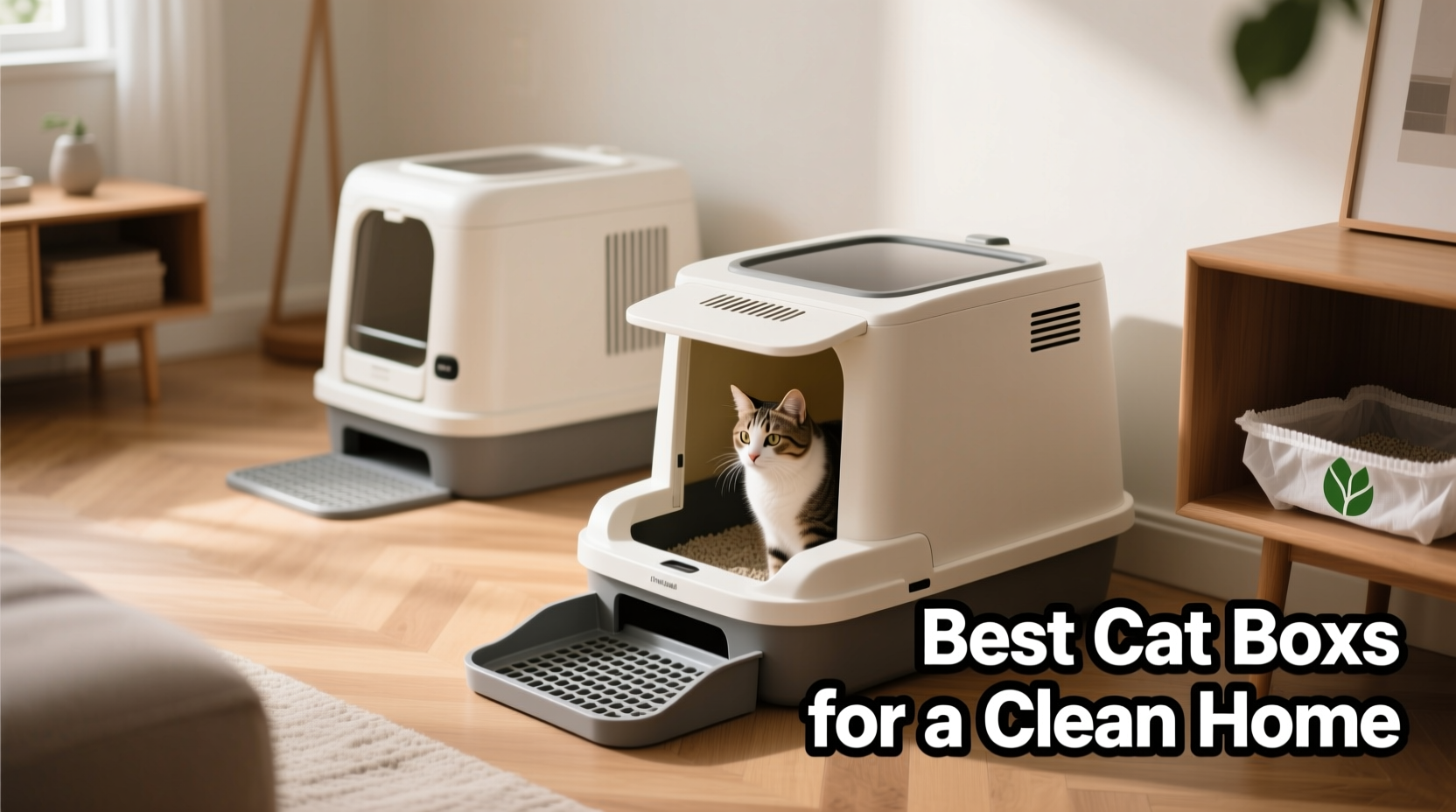
A poorly chosen litter box leads to messy floors, persistent smells, and even behavioral issues like inappropriate elimination. Cats are naturally fastidious animals. If their bathroom environment is dirty, noisy, or hard to access, they may avoid it altogether. A high-quality cat box supports both hygiene and mental well-being.
The ideal box accommodates your cat’s size, encourages consistent use, and simplifies cleaning. Covered models contain odors and offer privacy, while open trays allow easier access for kittens or older cats. Self-cleaning options save time but require careful monitoring to ensure reliability. Ultimately, the best choice depends on your lifestyle, home layout, and your cat’s personality.
Types of Cat Boxes and Their Benefits
Understanding the different styles available helps narrow down the best fit for your household. Each type has strengths and trade-offs in terms of cleanliness, convenience, and cat acceptance.
- Open Litter Boxes: Simple, accessible, and affordable. Ideal for cats who dislike confined spaces. However, they offer minimal odor control and more litter scatter.
- Covered Litter Boxes: Provide privacy and help contain smells and litter. Some cats appreciate the enclosure, but poor ventilation can trap odors, discouraging use.
- Top-Entry Boxes: Reduce litter tracking by requiring cats to enter from the top. Effective for homes with children or other pets, though not suitable for elderly or mobility-impaired cats.
- Self-Cleaning Boxes: Automatically sift waste after use, reducing daily maintenance. Models like the Litter-Robot or PetSafe ScoopFree are popular, but come at a higher price and may intimidate cautious cats initially.
- Disposable & Travel Boxes: Lightweight and convenient for trips or temporary use. Often made from recyclable materials, these are practical but less sustainable over time.
“Cats form strong habits around elimination. Introducing a new box should be gradual—never force a change overnight.” — Dr. Lena Reyes, Feline Behavior Specialist
Choosing the Best Cat Box: Key Features to Consider
When selecting a litter box, prioritize function without sacrificing aesthetics. Modern designs integrate seamlessly into living rooms, bedrooms, or home offices. Here’s what to evaluate before purchasing:
| Feature | Why It Matters | Recommended Option |
|---|---|---|
| Size | Cats need room to turn and dig. Box length should be 1.5x your cat’s body length. | Omega Paw Relay (large cats), Modkat XL |
| Litter Containment | High sides or built-in mats reduce tracking. | SureLitt Trays, Hooded boxes with skirt |
| Odor Control | Ventilation filters or carbon layers neutralize smells. | Litter-Robot 4, CatGenie with self-wash |
| Easy Cleaning | Smooth surfaces and removable parts speed up maintenance. | Modular boxes with washable liners |
| Accessibility | Kittens and seniors need low entry points. | Open front-entry or side-cut designs |
Mini Case Study: Solving Litter Scatter in a Small Apartment
Sophia, a resident of a downtown studio, struggled with litter tracked across her hardwood floors. Her Bengal cat, Milo, was energetic and kicked litter aggressively during burying. After trying several basic trays, she switched to a top-entry box with a surrounding mat. The elevated entrance reduced scatter by 80%, and the charcoal-filtered hood kept odors contained. She placed the unit in a corner near a sliding door, using a decorative screen for aesthetic cover. Within two weeks, cleanup time dropped from 10 minutes daily to under two.
Step-by-Step Guide to Setting Up Your Ideal Cat Box System
Implementing a successful litter solution involves more than just buying a box. Follow this sequence for optimal results:
- Assess your space: Measure available floor area and consider foot traffic patterns.
- Determine number of boxes: Follow the “n+1” rule—one box per cat plus one extra.
- Select box type: Match features to your cat’s age, size, and preferences.
- Choose location: Quiet, accessible, away from food and noise sources.
- Add appropriate litter: Use unscented, clumping clay or plant-based litter unless advised otherwise by a vet.
- Introduce gradually: Place the new box beside the old one for 3–5 days before removing the original.
- Maintain routine: Scoop daily, deep clean monthly, and replace filters as needed.
Frequently Asked Questions
How often should I replace my cat box?
Plastic boxes can last 1–2 years with proper care, but should be replaced if they become scratched, stained, or porous—these harbor bacteria and odors. Self-cleaning units may last 3–5 years with regular maintenance.
My cat won’t use the new box. What should I do?
Ensure the box is clean and located appropriately. Try adding a bit of used litter from the old box to provide familiar scent. Avoid forcing your cat into it. If resistance continues, revert to the previous model and reintroduce slowly.
Are self-cleaning boxes safe for cats?
Most modern models include safety sensors that pause operation if a cat enters during a cycle. However, some timid cats are startled by movement or noise. Monitor your cat’s reaction closely during the first week of use.
Essential Checklist Before Buying a Cat Box
- ✅ Measure your cat from nose to tail and multiply by 1.5 for minimum box length
- ✅ Confirm the box fits in your intended space, including clearance for lids or mechanisms
- ✅ Check ease of disassembly for cleaning
- ✅ Read reviews specifically mentioning odor control and durability
- ✅ Ensure replacement parts (filters, liners) are available and affordable
- ✅ Verify return policy in case your cat rejects the box
Creating a Cleaner, Happier Home
The right cat box does more than manage waste—it enhances your relationship with your pet by reducing stress and mess. Whether you opt for a sleek, modern design that doubles as furniture or a high-tech automatic cleaner, the goal remains the same: a hygienic, inviting space your cat will consistently use. Pair your selection with a quality litter and a steady cleaning routine, and you’ll enjoy a fresher, more harmonious home.




 浙公网安备
33010002000092号
浙公网安备
33010002000092号 浙B2-20120091-4
Comments
No comments yet. Why don't you start the discussion?